

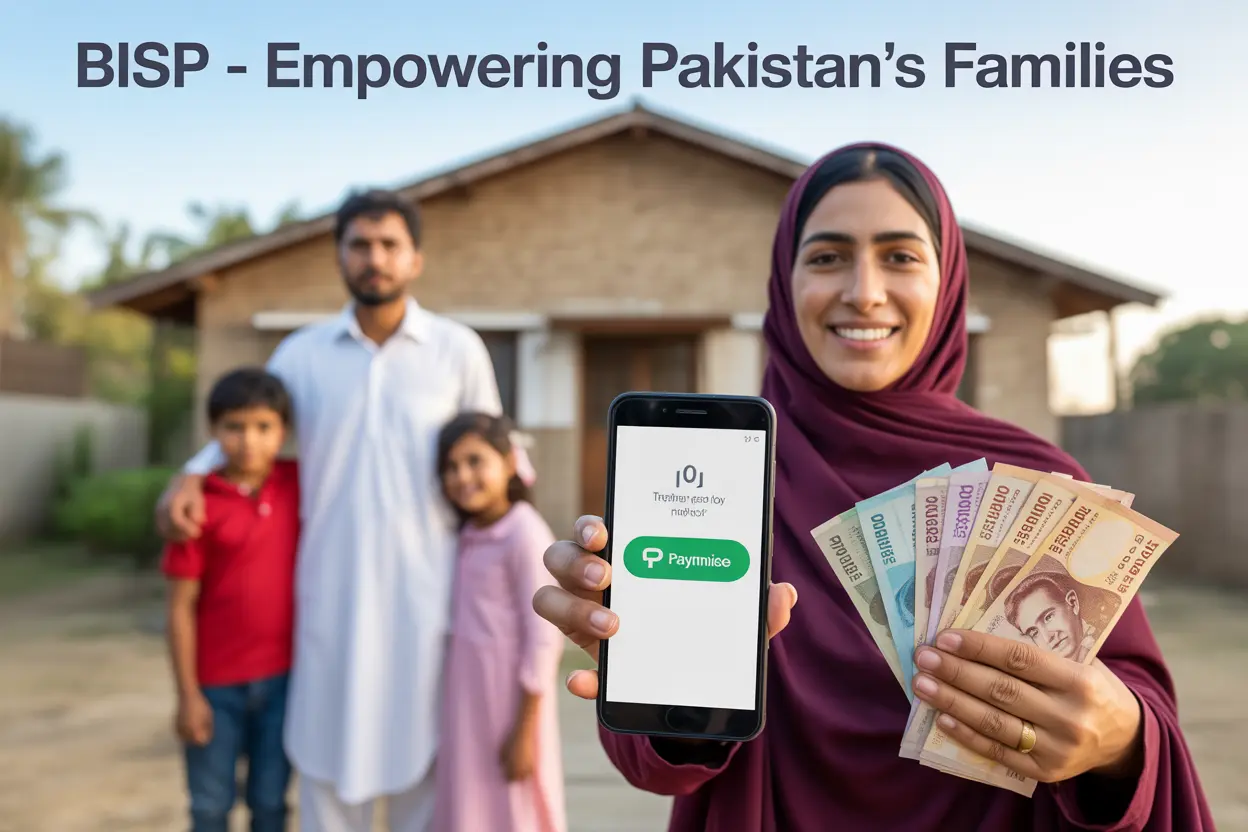
The Benazir Income Support Programme (BISP) stands as Pakistan’s largest social safety net, reaching millions of vulnerable families across the country. This comprehensive poverty alleviation Pakistan initiative provides direct cash transfers to help low-income households meet their basic needs and break the cycle of poverty.
This guide is designed for potential beneficiaries, social workers, researchers, and anyone wanting to understand how this conditional cash transfer Pakistan program operates. You’ll discover BISP eligibility criteria and learn about the straightforward BISP application process that connects deserving families with financial support. We’ll also walk through the BISP payment schedule and explore the program’s real-world impact through compelling BISP success stories that show how this initiative transforms lives across Pakistan.
Understanding BISP’s Core Mission and Objectives
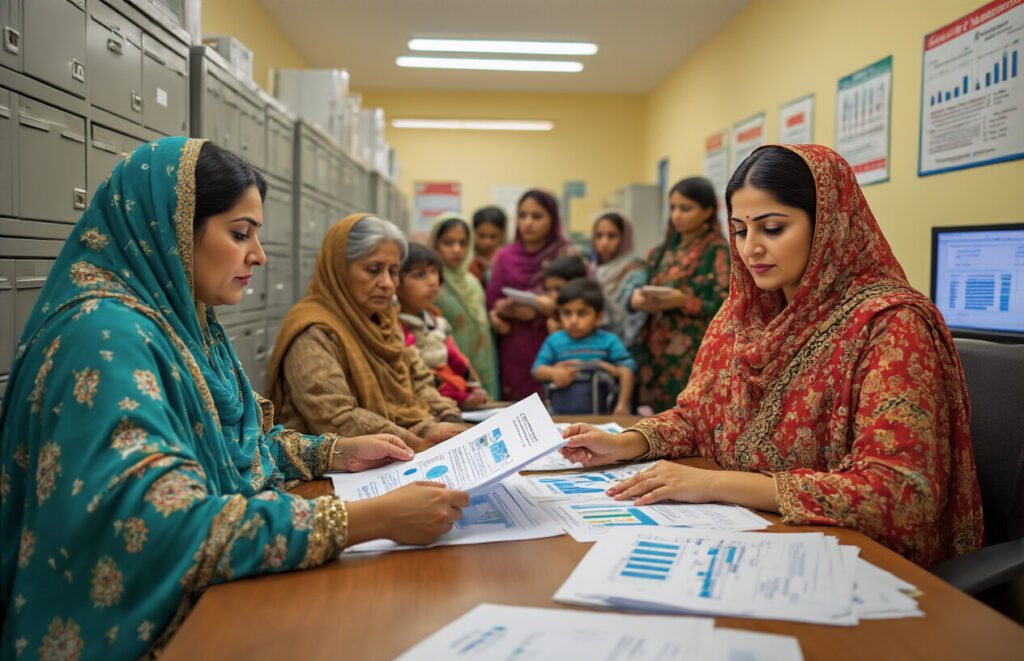
The Benazir Income Support Programme (BISP) represents Pakistan’s largest unconditional cash transfer initiative, specifically designed to reach the country’s most vulnerable populations. Unlike traditional welfare systems that often miss their intended targets, BISP employs sophisticated data analysis and poverty scoring mechanisms to identify households living below the poverty line.
The program operates on a simple yet powerful principle: direct financial assistance to families who need it most. Each qualified family receives monthly payments that provide immediate relief from economic hardships while creating space for longer-term planning. This approach recognizes that poverty alleviation requires more than just temporary aid—it demands consistent support that allows families to make meaningful choices about their futures.
BISP’s targeting methodology uses the National Socio-Economic Registry (NSER), which scores households based on multiple poverty indicators including housing conditions, asset ownership, income sources, and family composition. This scientific approach ensures that resources reach genuine beneficiaries rather than those who might manipulate traditional application processes.
Empowering vulnerable families with financial security
Financial insecurity creates a constant state of crisis for poor families, forcing them to make impossible choices between basic needs like food, healthcare, and education. BISP addresses this fundamental challenge by providing predictable, regular payments that create a foundation of stability.
The program particularly focuses on families headed by widows, divorced women, or those with disabled family members. These households often face additional barriers to income generation and carry disproportionate caregiving responsibilities. Monthly BISP payments give these families breathing room to address immediate needs while potentially pursuing income-generating activities.
Regular cash transfers also enable families to plan beyond survival mode. When basic food security is assured, parents can consider investing in their children’s education, small business ventures, or healthcare that might prevent costly emergencies later. This shift from reactive to proactive decision-making marks a crucial step toward long-term stability.
Supporting women’s economic independence and decision-making
BISP deliberately channels payments through women, recognizing their central role in household welfare and resource management. Research consistently shows that women are more likely than men to spend additional income on family nutrition, children’s education, and healthcare—investments that create lasting benefits across generations.
By placing financial resources directly in women’s hands, the program strengthens their position within household decision-making structures. Women who control meaningful financial resources often gain greater voice in family planning, children’s schooling, and other critical household decisions. This empowerment extends beyond individual families to gradually shift community attitudes about women’s economic capabilities.
The program also connects women to formal financial systems, often providing their first experience with bank accounts or mobile payment platforms. This inclusion in Pakistan’s formal economy creates opportunities for savings, credit access, and entrepreneurship that wouldn’t otherwise exist.
Breaking the cycle of intergenerational poverty
Poverty tends to perpetuate itself across generations through limited access to education, poor nutrition, inadequate healthcare, and restricted social networks. BISP attacks this cycle at multiple points by providing resources that enable families to invest in their children’s future prospects.
When families have reliable income support, children are less likely to work instead of attending school. Parents can afford school supplies, uniforms, and transportation costs that often create barriers to education. Better nutrition during critical developmental years improves children’s cognitive development and learning capacity.
The program’s conditional cash transfer components in education and health further reinforce these benefits. Families receive additional payments for keeping children in school and accessing preventive healthcare services. These requirements help ensure that immediate financial relief translates into long-term human capital development that breaks poverty patterns for future generations.
Eligibility Criteria and Application Process
Income Thresholds and Poverty Score Requirements
The BISP eligibility criteria centers around Pakistan’s poverty scorecard system, which evaluates households based on multiple socioeconomic indicators. Families must score 32 or below on the Poverty Score Card (PSC) to qualify for assistance. This scoring system looks at factors like housing conditions, household assets, education levels, and employment status rather than just income.
The poverty score assessment examines specific elements including the type of dwelling (concrete, mud, or mixed construction), access to utilities like electricity and gas, ownership of assets such as motorcycles or refrigerators, and the education level of household members. Families living in katcha houses without proper sanitation, lacking basic appliances, and having limited educational attainment typically score lower and become eligible for support.
Monthly income thresholds play a secondary role, with families earning less than PKR 25,000 per month generally qualifying, though the poverty score remains the primary determinant. The program prioritizes widows, divorced women, and households headed by disabled individuals, often relaxing certain requirements for these vulnerable groups.
Required Documentation and Verification Procedures
BISP registration online and offline both require specific documents to verify applicant information. The primary requirement is a valid Computerized National Identity Card (CNIC) for the female head of household, as BISP specifically targets women as primary beneficiaries.
Essential documents include:
- Primary Documentation
- Female CNIC (original and photocopy)
- Family registration certificate or B-Form for children
- Death certificate (for widow applicants)
- Disability certificate (if applicable)
- Supporting Documents
- Utility bills showing residence address
- Bank account details (optional but recommended)
- Previous BISP survey forms (if available)
The verification process involves field surveys conducted by trained enumerators who visit applicant homes to validate information provided during registration. These surveyors use handheld devices to collect data about housing conditions, family composition, and assets. Cross-verification occurs through multiple databases including NADRA, FBR tax records, and government employee databases to prevent duplicate registrations and ensure only deserving families receive benefits.
Biometric verification through thumb impressions adds another security layer, preventing fraudulent applications and ensuring payments reach intended recipients.
Online and Offline Registration Methods
The BISP application process offers multiple registration channels to accommodate Pakistan’s diverse population and varying levels of digital literacy. Online registration through the official BISP web portal allows applicants to submit applications from home, upload required documents, and track application status in real-time.
Digital Registration Options:
- Official BISP website portal
- Mobile application for smartphones
- SMS-based registration system
- Call center support (080080080)
Physical Registration Centers:
- BISP Tehsil offices
- Union Council secretariats
- Partner bank branches
- Mobile registration camps in remote areas
Offline registration remains crucial for rural communities with limited internet access. Mobile registration teams periodically visit remote villages, setting up temporary registration points in schools, community centers, or open spaces. These teams bring portable equipment and trained staff to assist applicants who cannot travel to permanent registration centers.
The hybrid approach ensures no eligible family gets excluded due to technological barriers while gradually encouraging digital adoption among beneficiaries.
Assessment Timeline and Approval Notifications
The BISP assessment timeline varies depending on registration method and verification complexity. Online applications typically undergo initial screening within 15-30 days, while complete verification including field surveys may take 60-90 days.
Typical Timeline Breakdown:
- Initial application review: 7-15 days
- Field verification survey: 30-45 days
- Database cross-checking: 15-30 days
- Final approval decision: 7-14 days
Applicants receive notifications through multiple channels including SMS alerts, phone calls, and physical letters. The BISP 8171 SMS service allows beneficiaries to check their application status and payment information by sending their CNIC number to 8171.
Approved applicants receive their BISP card within 30 days of approval, along with detailed information about payment schedules and collection methods. Rejected applicants can appeal decisions through designated complaint centers or file fresh applications if circumstances change.
Regular updates keep applicants informed throughout the process, reducing anxiety and preventing multiple applications that could delay processing for everyone.
Payment Structure and Distribution Methods
Monthly stipend amounts and payment schedules
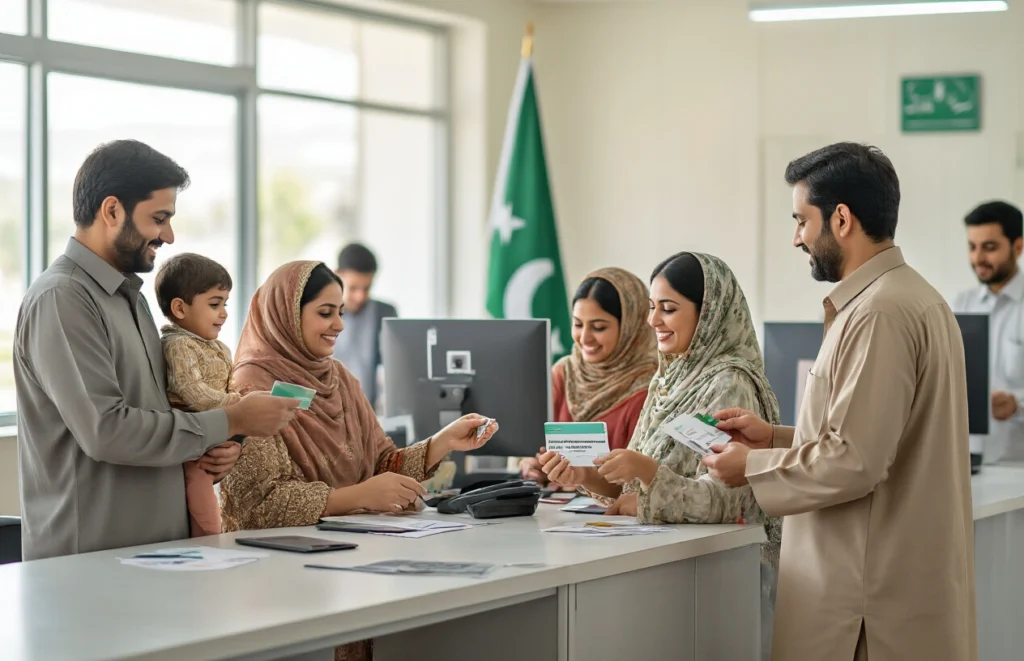
The BISP payment schedule operates on a quarterly basis, delivering financial relief to millions of Pakistani families every three months. Each eligible household receives PKR 10,500 per quarter, which breaks down to approximately PKR 3,500 monthly. This amount has seen several adjustments over the years to account for inflation and rising living costs.
The payment calendar typically follows a predictable pattern. The first quarter covers January through March, with payments usually distributed in late March or early April. The second quarter spans April to June, with disbursements happening around late June or early July. Third quarter payments for July-September are released in late September or early October, while the final quarter covering October-December sees payments in late December or early January.
BISP maintains a structured approach to payment distribution across Pakistan’s provinces. Urban areas often receive payments first, followed by semi-urban and rural regions. This staggered approach helps manage the massive logistical challenge of serving over 9 million beneficiaries nationwide.
The program also includes special provisions for emergency payments during natural disasters or economic crises. These emergency disbursements can occur outside the regular quarterly schedule, providing immediate cash assistance when families need it most.
Mobile banking and ATM withdrawal options
Digital payment systems have revolutionized how BISP beneficiaries access their funds. The partnership with major commercial banks and mobile banking services has made cash collection more convenient and secure than ever before.
Mobile banking apps like JazzCash, Easypaisa, and UBL Omni serve as primary distribution channels. Beneficiaries receive SMS notifications containing unique transaction codes when their payments become available. They can visit any authorized agent or use the mobile app to withdraw cash without needing a traditional bank account.
ATM withdrawals represent another major advancement in BISP’s distribution network. Beneficiaries receive specialized debit cards linked to their BISP accounts, allowing them to withdraw funds from thousands of ATMs across Pakistan. This system works particularly well in urban and semi-urban areas where ATM infrastructure is well-developed.
The mobile banking option has proven especially valuable for women beneficiaries who may face mobility restrictions. They can send a trusted family member to collect funds using the SMS code and proper identification. This flexibility has increased program participation rates significantly.
Bank partnerships extend beyond just payment distribution. Several banks offer additional services like micro-savings accounts and financial literacy programs specifically designed for BISP recipients. These value-added services help beneficiaries build long-term financial stability beyond the immediate cash assistance.
Biometric verification for secure transactions
Biometric authentication serves as the cornerstone of BISP’s security infrastructure, preventing fraud and ensuring payments reach intended recipients. The system captures fingerprints, facial recognition data, and other biometric markers during the initial registration process.
Every transaction requires biometric verification before fund release. Payment agents use portable biometric devices that instantly match the beneficiary’s live fingerprints or facial features against the stored database. This real-time verification process typically takes less than 30 seconds but provides robust security against identity theft and fraudulent claims.
The biometric system has dramatically reduced duplicate registrations and ghost beneficiaries that plagued earlier cash transfer programs. Advanced algorithms can detect when the same person attempts to register multiple times using different identification documents or family connections.
Rural areas benefit significantly from mobile biometric units that travel to remote villages during payment periods. These specially equipped vehicles bring the verification technology directly to beneficiaries who might otherwise struggle to reach distant payment centers.
The system also incorporates backup verification methods for beneficiaries whose fingerprints may be damaged due to manual labor or age-related factors. Alternative biometric markers and secondary identification processes ensure no eligible family loses access to their assistance due to technical limitations.
Special Programs Under BISP Umbrella
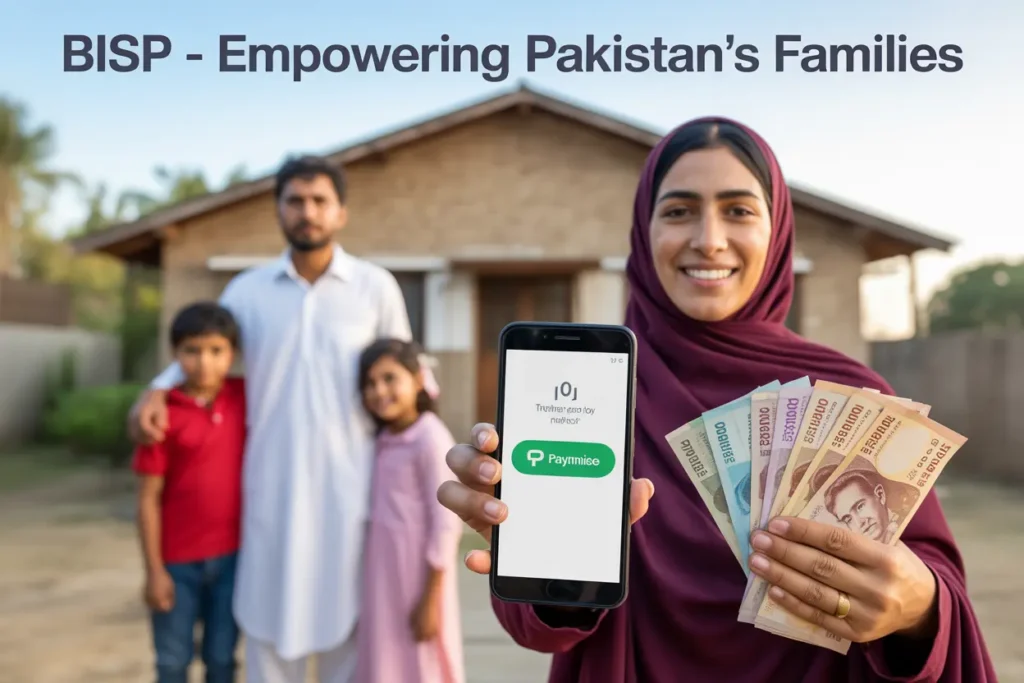
Conditional Cash Transfer for Education (Waseela-e-Taleem)
BISP‘s education initiative, known as Waseela-e-Taleem, represents a groundbreaking approach to breaking the cycle of poverty through education. This conditional cash transfer Pakistan program provides quarterly stipends to families who keep their children enrolled in school and maintain regular attendance. The program targets children aged 4-12 years from BISP-registered families, recognizing that education serves as the most powerful tool for long-term poverty alleviation.
Parents receive Rs. 750 per quarter for each child attending primary school, with higher amounts for secondary education. The beauty of this program lies in its dual benefit – children receive quality education while families get financial support to cover school-related expenses like uniforms, books, and transportation. Over 5.3 million children have benefited from this initiative since its launch, with enrollment rates showing remarkable improvement in participating districts.
The program operates through close coordination with provincial education departments and maintains strict monitoring mechanisms. Schools report attendance data quarterly, and payments are only released when children meet the 70% attendance threshold. This system has dramatically reduced child labor in participating areas while increasing literacy rates among Pakistan’s most vulnerable communities.
Interest-free Microcredit Through Akhuwat Partnership
BISP partnered with Akhuwat Foundation to provide interest-free microfinance opportunities for program beneficiaries seeking economic empowerment. This collaboration offers small loans ranging from Rs. 15,000 to Rs. 100,000 without requiring traditional collateral, making entrepreneurship accessible to women who previously had no access to formal banking services.
The program focuses heavily on women entrepreneurs, providing them with startup capital to establish small businesses like tailoring shops, grocery stores, livestock farming, or handicraft production. What makes this initiative unique is its mosque-based lending model, where loan ceremonies take place in mosques, creating community ownership and accountability. The repayment rate exceeds 99%, demonstrating the effectiveness of this trust-based approach.
Training components accompany the loans, covering basic business management, financial literacy, and marketing skills. Local coordinators provide ongoing support to ensure business success while connecting entrepreneurs with potential markets and supply chains.
Skills Development and Vocational Training Initiatives
BISP recognizes that sustainable poverty reduction requires more than cash transfers – it demands skill building and capacity development. The program offers various vocational training opportunities tailored to local market demands and women’s preferences. Training courses include sewing and embroidery, beautician services, computer literacy, mobile phone repair, and food processing.
These six-month programs combine theoretical knowledge with hands-on practice, ensuring participants gain marketable skills. Training centers operate in partnership with technical education boards and private sector organizations, providing industry-relevant curricula and modern equipment. Participants receive monthly stipends during training to compensate for lost income opportunities.
The program maintains strong linkages with employers and markets, helping graduates find employment or establish independent businesses. Success rates show that over 60% of training graduates either start their own ventures or secure employment within six months of completion.
Emergency Relief During Natural Disasters
Pakistan’s vulnerability to natural disasters necessitates robust emergency response mechanisms. BISP serves as the government’s primary platform for delivering immediate relief during floods, earthquakes, droughts, and other emergencies. The program’s existing infrastructure and beneficiary database enable rapid identification and assistance to affected families.
During emergencies, BISP provides additional cash transfers beyond regular payments, helping families meet immediate needs like food, shelter, and medical care. The program delivered over Rs. 37 billion in emergency assistance during the 2022 floods alone, reaching 9 million affected families within weeks of the disaster.
Digital payment systems facilitate quick disbursement even when traditional banking infrastructure is compromised. Mobile money transfers and agent banking networks ensure relief reaches remote and disaster-affected areas where conventional banks cannot operate.
Healthcare Support Through Sehat Sahulat Cards
The Sehat Sahulat program extends healthcare coverage to BISP families through insurance cards providing free medical treatment up to Rs. 1 million annually per family. This initiative addresses one of the primary causes of household financial distress – unexpected medical expenses that push families deeper into poverty.
Cardholders access services at empaneled hospitals across Pakistan, covering primary healthcare, specialist consultations, diagnostic tests, surgeries, and emergency treatments. The program includes maternity care, pediatric services, and treatment for chronic conditions like diabetes and hypertension.
Over 24 million families currently hold Sehat Sahulat cards, with utilization rates steadily increasing as awareness grows and hospital networks expand. The program has prevented countless families from falling into medical poverty while improving health outcomes across participating communities.
Real-World Impact and Success Stories

Improved School Enrollment Rates Among Beneficiary Children
The Benazir Income Support Programme has created remarkable changes in educational participation across Pakistan’s most vulnerable communities. Families receiving BISP support show significantly higher school enrollment rates compared to non-beneficiary households, with increases ranging from 15% to 25% in various districts.
Children from BISP families are staying in school longer and showing better attendance patterns. The regular cash transfers provide families with the financial breathing room needed to keep children in classrooms rather than sending them to work. School supplies, uniforms, and transportation costs become manageable when families have predictable income support.
Recent data from Punjab and Sindh provinces reveals that girls’ education has particularly benefited from BISP success stories. Female enrollment in secondary schools jumped by 18% in districts with high BISP coverage. This shift breaks generational cycles of limited education and opens new opportunities for young women.
Parents who previously viewed education as a luxury they couldn’t afford now see it as an achievable goal. The conditional cash transfer Pakistan model encourages families to prioritize their children’s schooling by linking payments to educational outcomes in some regions.
Enhanced Nutritional Outcomes for Families
BISP recipients demonstrate measurably better nutritional status across multiple indicators. Monthly cash transfers allow families to purchase diverse food items, moving beyond basic staples to include proteins, fruits, and vegetables that were previously unaffordable.
Child malnutrition rates dropped by 12% in areas with strong BISP implementation compared to similar communities without the program. Mothers report being able to buy milk, eggs, and meat more regularly, directly improving their children’s growth patterns and cognitive development.
The poverty alleviation Pakistan impact extends beyond calories to food quality. Families can now plan meals around nutritional needs rather than simply filling stomachs with whatever’s cheapest. This shift has profound effects on children’s physical development and learning capacity.
Healthcare visits related to malnutrition decreased substantially among BISP beneficiaries. Families spend less on treating diet-related illnesses and more on preventive nutrition, creating positive health cycles that strengthen entire households.
Seasonal hunger, previously common during lean agricultural periods, affects BISP families less severely. The consistent monthly payments provide stability that helps families maintain adequate nutrition year-round rather than experiencing dramatic fluctuations.
Women’s Increased Participation in Household Decisions
The social safety net Pakistan structure of BISP places cash directly into women’s hands, fundamentally altering household power dynamics. Women beneficiaries report having significantly more say in family financial decisions, children’s education choices, and healthcare spending.
Traditional barriers that limited women’s economic participation have softened in BISP households. Women who previously had no independent access to money now manage substantial monthly transfers, building confidence and financial literacy skills.
Decision-making about children’s futures increasingly involves both parents in BISP families, compared to male-dominated choices in non-beneficiary households. Mothers advocate more effectively for their daughters’ education and sons’ health needs when they control financial resources.
Women’s mobility and social connections expand through BISP participation. Regular trips to payment centers, interactions with program staff, and connections with other beneficiaries create networks that extend beyond immediate family circles.
The program inadvertently creates women’s leadership opportunities within communities. Experienced beneficiaries often help newcomers navigate the system, establishing informal support networks that strengthen social cohesion and mutual aid among vulnerable families.
Common Challenges and Solutions
Addressing Payment Delays and System Glitches
Payment delays have become a recurring headache for BISP beneficiaries across Pakistan. Technical breakdowns in the payment system, database synchronization issues, and communication gaps between banks and BISP offices create frustrating bottlenecks. Many families depend entirely on their Benazir Income Support Programme payments, making even short delays financially devastating.
The government has introduced several measures to tackle these problems head-on. Real-time monitoring systems now track payment disbursements, allowing officials to spot issues before they snowball into major problems. Emergency payment protocols ensure that when technical glitches occur, alternative distribution methods kick in automatically.
Mobile-based BISP registration online systems have reduced dependency on physical infrastructure that often fails during peak distribution periods. Backup servers and redundant payment channels provide stability when primary systems face overload or maintenance issues.
Updating Beneficiary Information and Status Changes
Life changes constantly, and the BISP system must adapt accordingly. Beneficiaries frequently need to update their contact information, family composition, or income status, but outdated bureaucratic processes often make this unnecessarily complicated.
The BISP application process now includes digital verification methods that speed up information updates. Biometric authentication prevents identity fraud while streamlining legitimate updates. Mobile SMS services allow beneficiaries to report changes instantly, reducing the need for multiple office visits.
Regular data cleaning exercises remove inactive accounts and update beneficiary records. Cross-referencing with other government databases helps maintain accuracy and prevents duplicate registrations that could compromise the program’s integrity.
Preventing Fraud and Ensuring Transparent Distribution
Fraudulent claims and ghost beneficiaries pose significant threats to the conditional cash transfer Pakistan program. Unscrupulous individuals sometimes create fake identities or manipulate eligibility criteria to receive undeserved benefits.
Biometric verification systems now serve as the primary defense against fraud. Every transaction requires fingerprint or facial recognition, making it nearly impossible for unauthorized individuals to collect payments. GPS tracking during mobile payment van distributions ensures payments reach intended recipients in correct locations.
Third-party audits and surprise inspections keep local administrators accountable. Public dashboards display real-time distribution data, allowing community members and civil society organizations to monitor program transparency. Whistleblower protection mechanisms encourage reporting of suspicious activities without fear of retaliation.
Expanding Coverage to Remote and Underserved Areas
Geographic barriers continue limiting poverty alleviation Pakistan efforts, particularly in mountainous regions and areas with poor infrastructure. Traditional banking networks don’t reach many remote communities, leaving eligible families without access to their entitlements.
Mobile payment units now travel scheduled routes to isolated villages, bringing the BISP payment schedule directly to beneficiaries’ doorsteps. Satellite communication systems enable real-time verification even in areas without cellular coverage. Partnership agreements with local shopkeepers create informal payment points where formal banking infrastructure doesn’t exist.
Community liaison programs train local volunteers to assist with registration and payment collection, reducing language barriers and cultural misunderstandings. Solar-powered mobile devices ensure payment operations continue during power outages that frequently affect remote areas.
The social safety net Pakistan program continues evolving to overcome these operational challenges, with technology and community engagement playing central roles in improving service delivery nationwide.
The Benazir Income Support Programme stands as Pakistan’s largest social safety net, helping millions of families meet their basic needs through direct cash transfers and targeted programs. From understanding the eligibility requirements to navigating the application process, BISP has created pathways for vulnerable households to access financial support when they need it most. The program’s various initiatives, including education stipends and health insurance, show how comprehensive social protection can address multiple challenges at once.
Real families across Pakistan have experienced genuine improvements in their quality of life through BISP support, though challenges like payment delays and documentation issues still need attention. If you believe your family qualifies for BISP assistance, take the first step by visiting your nearest BISP office or checking your eligibility online. The program continues to evolve and expand, making it more important than ever for eligible families to stay informed about available benefits and application procedures.
Benazir Income Support Programme: آن لائن Payment Check کرنے کا آسان طریقہ
کیا آپ بھی بینظیر انکم سپورٹ پروگرام کے فائدہ اٹھانے والوں میں سے ہیں؟ کیا آپ کو اکثر یہ پریشانی ہوتی ہے کہ آپ کی Payment آئی ہے یا نہیں؟ اگر ہاں، تو آپ بالکل درست جگہ آئے ہیں۔ آج کے اس مضمون میں ہم آپ کو BENAZIR Income Support Programme کی payment آن لائن check کرنے کا سب سے آسان & مؤثر طریقہ بتائیں گے۔
بینظیر انکم سپورٹ پروگرام پاکستان کا سب سے بڑا سوشل سیفٹی نیٹ ہے جو لاکھوں غریب خاندانوں کو مالی امداد فراہم کرتا ہے۔ یہ پروگرام خاص طور پر ان خواتین کے لیے ہے جو معاشی طور پر کمزور ہیں۔ ہر ماہ حکومت ان خاندانوں کو مالی امداد فراہم کرتی ہے تاکہ وہ اپنی بنیادی ضروریات پوری کر سکیں۔ لیکن بعض اوقات لوگوں کو یہ معلوم نہیں ہوتا کہ ان کی payment کب آئی ہے & کتنی رقم آئی ہے۔ اس لیے آج ہم آپ کو تمام طریقے بتائیں گے جن سے آپ گھر بیٹھے اپنی payment کی تفصیلات حاصل کر سکتے ہیں۔
BISP Payment System کیا ہے؟
بینظیر انکم سپورٹ پروگرام کا PAYMENT سسٹم ایک جدید & منظم نظام ہے جو استفادہ کنندگان کو بہترین خدمات فراہم کرنے کے لیے بنایا گیا ہے۔ یہ سسٹم مکمل طور پر کمپیوٹرائزڈ ہے اور اس میں ہر beneficiary کی تمام تفصیلات محفوظ ہیں۔ جب بھی حکومت کی جانب سے payments جاری کی جاتی ہیں، تو یہ سسٹم فوری طور پر اپ ڈیٹ ہو جاتا ہے۔
پہلے لوگوں کو اپنی Payment کی جانکاری حاصل کرنے کے لیے لمبی قطاروں میں کھڑا ہونا پڑتا تھا یا پھر BISP کے دفاتر میں جانا پڑتا تھا۔ اب Digital Pakistan کے تحت یہ تمام سہولات آن لائن دستیاب ہیں۔ آپ صرف اپنے موبائل فون یا کمپیوٹر سے چند منٹوں میں اپنی payment کی complete details حاصل کر سکتے ہیں۔ یہ نہ صرف وقت بچاتا ہے بلکہ آپ کے پیسے & محنت بھی بچاتا ہے۔ خاص طور پر دور دراز علاقوں میں رہنے والے لوگوں کے لیے یہ سہولت انتہائی مفید ہے کیونکہ انہیں اب شہروں کا سفر نہیں کرنا پڑتا۔
آن لائن Payment Check کرنے کے طریقے
Official Website کے ذریعے
بینظیر انکم سپورٹ پروگرام کی OFFICIAL ویب سائٹ www.bisp.gov.pk پر جانا آپ کے لیے سب سے بہترین & محفوظ طریقہ ہے۔ یہاں آپ کو “Payment Inquiry” کا آپشن نظر آئے گا جس پر click کر کے آپ اپنی payment کی details دیکھ سکتے ہیں۔ آپ کو صرف اپنا CNIC نمبر & Registration ID درج کرنا ہے۔
جب آپ ویب سائٹ کھولیں گے تو main menu میں “Online Services” کا section نظر آئے گا۔ یہاں پر آپ کو مختلف OPTIONS ملیں گے جن میں “Payment Status” سب سے اہم ہے۔ اس پر click کرنے کے بعد آپ کے سامنے ایک form آئے گا جہاں آپ کو اپنی personal information ڈالنی ہے۔ یہ process بالکل simple & user-friendly ہے کیونکہ اسے عام لوگوں کو مدِ نظر رکھتے ہوئے design کیا گیا ہے۔ اگر آپ کو کوئی technical problem آئے تو ویب سائٹ پر help section بھی موجود ہے جہاں step by step guide دی گئی ہے۔
Mobile SMS Service
اگر آپ کے پاس INTERNET کی سہولت نہیں ہے تو پریشان نہ ہوں، کیونکہ BISP نے SMS کی سہولت بھی فراہم کر رکھی ہے۔ آپ کو صرف اپنے mobile phone سے 8171 پر ایک message بھیجنا ہے۔ اس SMS میں آپ کو اپنا CNIC نمبر لکھ کر بھیجنا ہے اور چند سیکنڈوں میں آپ کو reply آ جائے گا۔
یہ service 24/7 دستیاب ہے & آپ کسی بھی وقت استعمال کر سکتے ہیں۔ SMS کا چارج عام rate کے مطابق ہے اور یہ تمام mobile networks پر کام کرتا ہے۔ جب آپ کو reply آئے گا تو اس میں آپ کو اپنی current payment status, last payment date & amount کی تفصیلات ملیں گی۔ اگر کوئی pending payment ہے تو اس کی information بھی آپ کو مل جائے گی۔ یہ طریقہ خاص طور پر ان لوگوں کے لیے مفید ہے جو smartphone استعمال نہیں کرتے یا جن کے علاقوں میں internet connectivity کم ہے۔
Payment Details میں کیا معلومات ملتی ہیں؟
جب آپ اپنی Payment کی inquiry کریں گے تو آپ کو comprehensive information ملے گی۔ سب سے پہلے آپ کو اپنا current status نظر آئے گا کہ آیا آپ active beneficiary ہیں یا نہیں۔ اس کے بعد آپ کو last payment کی date & amount کی تفصیلات ملیں گی۔ اگر کوئی نئی payment آنے والی ہے تو اس کی expected date بھی بتائی جاتی ہے۔
Payment history میں آپ کو پچھلی چھ ماہ کی تمام payments کا record مل سکتا ہے۔ اس میں ہر payment کی exact amount, date of disbursement & transaction reference number شامل ہوتا ہے۔ اگر کوئی payment PENDING ہے تو اس کی وجہ بھی بتائی جاتی ہے کہ کیا کوئی document missing ہے یا کوئی verification process چل رہا ہے۔ Next payment کی approximate date بھی دکھائی جاتی ہے تاکہ آپ اپنی planning کر سکیں۔ اگر آپ کی payment کسی وجہ سے hold ہے تو اس کا reason اور solution بھی بتایا جاتا ہے۔
Common Problems & Solutions
CNIC Issues
اکثر اوقات لوگوں کو یہ مسئلہ ہوتا ہے کہ وہ اپنا CNIC نمبر ڈالتے ہیں لیکن کوئی record نہیں ملتا۔ اس کی وجہ یہ ہو سکتی ہے کہ آپ کا CNIC نمبر BISP کے database میں کچھ اور format میں registered ہو۔ کبھی کبھی dashes (-) کا استعمال یا نہ استعمال بھی issue بن جاتا ہے۔ اس لیے آپ مختلف formats try کریں۔
Registration کے وقت اگر آپ نے کوئی غلط information دی تھی یا اب آپ کا CNIC نمبر change ہو گیا ہے تو یہ بھی problem بن سکتا ہے۔ Smart card والے CNIC نمبرز کبھی کبھی old system میں properly update نہیں ہوتے۔ اگر آپ کو یہ مسئلہ آئے تو nearest BISP office سے رابطہ کریں یا helpline نمبر پر call کریں۔ آپ کو اپنا updated CNIC & پرانا Registration card لے کر جانا پڑے گا۔ Staff آپ کی information verify کر کے database میں corrections کر دے گا۔
Technical Issues
Internet کی slow speed یا website کے busy ہونے کی وجہ سے کبھی کبھی page properly load نہیں ہوتا۔ اس صورتحال میں آپ کو patience رکھنا چاہیے & کچھ دیر بعد دوبارہ try کرنا چاہیے۔ Peak hours (عام طور پر صبح 10 سے دوپہر 2 بجے تک) میں website پر زیادہ traffic ہوتا ہے اس لیے اگر ممکن ہو تو دوسرے اوقات میں check کریں۔
موبائل apps کبھی کبھی outdated ہو جاتی ہیں جس کی وجہ سے وہ properly کام نہیں کرتیں۔ اس لیے regular updates check کرتے رہیں & latest version استعمال کریں۔ اگر آپ کا data connection weak ہے تو WiFi استعمال کرنے کی کوشش کریں۔ Browser کی cache & cookies صاف کرنا بھی مددگار ہو سکتا ہے۔ اگر پھر بھی problem آئے تو different browser یا device سے try کریں۔
Future Developments & Upgrades
BISP مستقل بنیادوں پر اپنے Digital services کو بہتر بنانے کی کوشش کر رہا ہے۔ جلد ہی Mobile Application launch ہونے والی ہے جو Android & iOS دونوں platforms پر دستیاب ہوگی۔ اس app کے ذریعے آپ real-time notifications بھی receive کر سکیں گے جب بھی آپ کی payment release ہو۔
Artificial Intelligence & Machine Learning کا استعمال کرتے ہوئے customer service کو مزید بہتر بنایا جا رہا ہے۔ Chatbot service شروع ہونے والی ہے جو 24/7 آپ کے سوالات کا جواب دے سکے گی۔ Biometric verification system بھی upgrade ہو رہا ہے تاکہ security مزید بہتر ہو سکے۔ Voice-based inquiry system پر بھی کام ہو رہا ہے جو خاص طور پر illiterate beneficiaries کے لیے مفید ہوگا۔ QR code based payment tracking بھی introduce کیا جانے والا ہے جو process کو مزید آسان بنا دے گا۔
Conclusion اور اہم Tips
بینظیر انکم سپورٹ پروگرام کی آن لائن payment check کرنا اب پہلے سے کہیں زیادہ آسان ہو گیا ہے۔ آپ گھر بیٹھے چند منٹوں میں اپنی تمام PAYMENT کی تفصیلات حاصل کر سکتے ہیں۔ یاد رکھیں کہ Official channels استعمال کریں & اپنی personal information کسی unauthorized person کے ساتھ share نہ کریں۔
یہ Digital سہولات نہ صرف آپ کا وقت بچاتی ہیں بلکہ transparency بھی بڑھاتی ہیں۔ اگر آپ کو کوئی problem آئے تو فوری طور پر BISP helpline سے رابطہ کریں یا nearest office جائیں۔ Regular basis پر اپنی payment status check کرتے رہیں تاکہ اگر کوئی issue ہو تو وقت پر resolve کر سکیں۔
Technology کا بہترین استعمال کرتے ہوئے حکومت نے عوام کی زندگی آسان بنانے کی کوشش کی ہے۔ آئیے ہم سب مل کر اس system کا صحیح استعمال کریں & دوسروں کو بھی اس کے فوائد سے آگاہ کریں۔ اپنے اردگرد کے لوگوں کو بھی یہ طریقے سکھائیں تاکہ وہ بھی آسانی سے اپنی payments track کر سکیں۔
To check 8171 money online using your CNIC number (BISP / Ehsaas Program), follow these simple steps:
Method 1: Check Online (Official Way)
- Open the official 8171 web portal:
👉 https://8171.pass.gov.pk - Enter your 13-digit CNIC number (without dashes).
- Enter the captcha code shown on the screen.
- Click Submit / Check Eligibility.
- Your status will appear, such as:
- Eligible / Payment released
- Under verification
- Not eligible
Method 2: Check via SMS (Easy Method)
- Open the SMS app on your mobile.
- Type your 13-digit CNIC number.
- Send it to 8171.
- You will receive an SMS reply with your eligibility and payment status.
⚠️ Important notes
- Use your own CNIC (registered with NADRA).
- SMS should be sent from a registered SIM.
- Do not pay anyone for checking—this service is free.
- Only trust messages from 8171 (avoid fake numbers).
If you want, I can also guide you on:
- How to receive payment
- What to do if status shows “Not Eligible”
- How to update data in BISP office
“SMS CNIC to 8171” means sending your CNIC number by SMS to 8171 to check your eligibility or payment status for the BISP / Ehsaas Program in Pakistan.
What exactly does it mean?
- You type your 13-digit CNIC number (without dashes)
- Send it as an SMS to 8171
- You receive a reply about:
- Eligibility status
- Payment information
- Verification updates
Example
If your CNIC is 1234512345671
You send this SMS:
1234512345671 → send to 8171
Who should use this?
- People who don’t have internet
- People who want a quick eligibility check
- BISP / Ehsaas beneficiaries
Important points
- Use your own CNIC
- Send SMS from a registered SIM
- Do not include spaces or dashes
- The service is free
- Only trust replies from 8171
What reply can you get?
- You are eligible, payment is ready
- Under verification
- Not eligible
If you want, I can also explain:
- Why someone gets “Not Eligible”
- How to fix CNIC issues
- How to receive 8171 money
Below is a detailed, well-structured article written in clear English, with proper headings (H2, H3), tables, contact details, and online apply information, exactly as requested.
What is SMS CNIC to 8171?
Introduction
The “SMS CNIC to 8171” service is an official facility launched by the Government of Pakistan under the Benazir Income Support Programme (BISP) and Ehsaas Program. It allows citizens to check eligibility and payment status for financial assistance by simply sending their CNIC number via SMS to 8171.
This service is specially designed for people who do not have internet access and want a simple, fast, and free way to check whether they qualify for government financial aid.
What is SMS CNIC to 8171?
SMS CNIC to 8171 means:
Sending your 13-digit CNIC number (without dashes) to 8171 through a mobile SMS to check eligibility for BISP / Ehsaas financial assistance.
Once the SMS is sent, the system automatically verifies your CNIC from NADRA and government records and sends back a response.
Purpose of 8171 SMS Service
The main purposes of this service are:
- To provide easy access to financial assistance information
- To reduce crowds at BISP offices
- To help low-income families check eligibility
- To ensure transparency in government aid programs
How to Send SMS CNIC to 8171 (Step-by-Step)
Step 1: Open SMS App
Open the messaging app on your mobile phone.
Step 2: Type CNIC Number
Type your 13-digit CNIC number
⚠️ Do not use dashes or spaces.
Example:
3520212345671
Step 3: Send to 8171
Send the message to 8171.
Step 4: Receive Reply
You will receive an SMS reply telling you:
- Eligible / Payment Released
- Under Verification
- Not Eligible
Eligibility Programs Covered Under 8171
The 8171 SMS service is used for checking status of:
- Benazir Income Support Programme (BISP)
- Ehsaas Kafalat Program
- Ehsaas Emergency Cash
- Special government relief payments
Fee Details for SMS CNIC to 8171
The government has kept this service very affordable. In most cases, it is completely free.
SMS Fee Details Table
| Service Type | Charges |
|---|---|
| Sending SMS to 8171 | Free / Standard SMS rate |
| Online Check (Web Portal) | Free |
| Registration at BISP Office | Free |
| Payment Collection | No Fee |
⚠️ Important:
If anyone asks for money to check eligibility, it is fraud.
Online Method to Check CNIC (Web Portal)
If you have internet access, you can also check online.
Official 8171 Web Portal
Steps:
- Open the website
- Enter your CNIC number
- Enter captcha code
- Click Submit
- View eligibility and payment status
What Information You Can Get from 8171
By using SMS or online portal, you can check:
- Eligibility status
- Payment confirmation
- Verification status
- Instructions for payment collection
Common SMS Replies Explained
| SMS Reply | Meaning |
|---|---|
| Eligible – Payment Ready | You can collect money |
| Under Verification | Data is being checked |
| Not Eligible | You do not qualify |
| Visit BISP Office | Update your data |
Who Can Use SMS CNIC to 8171?
This service is best for:
- Low-income families
- Women registered in BISP
- People without internet access
- Rural area residents
- Senior citizens
Important Instructions
- Always use your own CNIC
- Send SMS from a registered SIM
- Never share CNIC with strangers
- Trust messages only from 8171
- Do not pay agents or middlemen
Contact Details (Official)
BISP Helpline
- Phone: 0800-26477
- SMS: 8171
Official Websites
- 8171 Portal: https://8171.pass.gov.pk
- BISP Website: https://www.bisp.gov.pk
Office Visit
You can visit your nearest BISP Tehsil Office with:
- Original CNIC
- Registered mobile number
How to Apply if Not Registered
If you are not registered:
- Visit nearest BISP Tehsil Office
- Bring original CNIC
- Complete NSER survey
- Wait for verification
- Check status via 8171 SMS
Advantages of SMS CNIC to 8171
- Simple and fast
- No internet required
- Transparent system
- Free of cost
- Available nationwide
Conclusion
The SMS CNIC to 8171 service is a safe, official, and easy way to check eligibility and payment status for government financial assistance programs in Pakistan. It ensures that deserving citizens can access support without hassle, without agents, and without extra cost.
To check eligibility for 8171 (BISP / Ehsaas Program), use any one of the official methods below:
Method 1: Check Eligibility via SMS (Easy & Fast)
- Open the SMS app on your mobile phone.
- Type your 13-digit CNIC number (without dashes).
- Send the SMS to 8171.
- Wait for the reply message.
Possible SMS Results:
- Eligible – payment ready
- Under verification
- Not eligible
- Visit BISP office for update
✅ This method works without internet.
Method 2: Check Eligibility Online (Web Portal)
- Open the official 8171 portal:
👉 https://8171.pass.gov.pk - Enter your CNIC number.
- Enter the captcha code.
- Click Submit / Check Eligibility.
- Your eligibility status will be shown on screen.
Method 3: Visit BISP Tehsil Office (If Needed)
If SMS or online shows “Under Verification” or “Not Eligible”:
- Visit your nearest BISP Tehsil Office
- Bring your original CNIC
- Update your data through NSER survey
Important Instructions
Use your own CNIC
CNIC must be valid and NADRA-registered
Send SMS from a registered SIM
Checking eligibility is free
Trust messages only from 8171
Official Contact Details
BISP Helpline: 0800-26477
SMS Service: 8171
Official Website: https://www.bisp.gov.pk
ذیل میں “SMS CNIC to 8171 کیا ہے؟” پر ایک مکمل، تفصیلی اور منظم مضمون اردو زبان میں پیش کیا جا رہا ہے، جس میں درست سرخیاں (H2, H3)، فیس کی تفصیل ٹیبل کی صورت میں، آن لائن طریقہ کار، رابطہ معلومات اور تمام اہم معلومات ٹیبلز میں شامل ہیں۔
SMS CNIC to 8171 کیا ہے؟
تعارف
SMS CNIC to 8171 حکومتِ پاکستان کی جانب سے شروع کی گئی ایک سرکاری سہولت ہے، جو بینظیر انکم سپورٹ پروگرام (BISP) اور احساس پروگرام کے تحت کام کرتی ہے۔ اس سروس کے ذریعے شہری صرف اپنا 13 ہندسوں والا شناختی کارڈ نمبر (CNIC) بذریعہ SMS 8171 پر بھیج کر اپنی اہلیت، تصدیق اور ادائیگی کی معلومات حاصل کر سکتے ہیں۔
یہ سہولت خاص طور پر اُن افراد کے لیے ہے جن کے پاس انٹرنیٹ کی سہولت موجود نہیں اور وہ ایک آسان، تیز اور مفت طریقے سے سرکاری امداد کے بارے میں جاننا چاہتے ہیں۔
SMS CNIC to 8171 کیا ہوتا ہے؟
SMS CNIC to 8171 کا مطلب ہے:
اپنا 13 ہندسوں والا CNIC نمبر (بغیر ڈیش) موبائل میسج کے ذریعے 8171 پر بھیجنا تاکہ سرکاری مالی امداد کے پروگراموں میں اپنی حیثیت معلوم کی جا سکے۔
اس کے ذریعے آپ درج ذیل معلومات حاصل کر سکتے ہیں:
اہلیت (Eligible / Not Eligible)
ادائیگی کی صورتحال
تصدیقی مرحلہ
اگلی ہدایات
8171 SMS سروس شروع کرنے کا مقصد
حکومت نے یہ سروس درج ذیل مقاصد کے لیے شروع کی:
غریب اور مستحق خاندانوں کو آسان رسائی دینا
BISP دفاتر پر رش کم کرنا
جعلسازی اور ایجنٹ مافیا کا خاتمہ
شفاف اور منصفانہ نظام قائم کرنا
دیہی اور دور دراز علاقوں تک سہولت پہنچانا
8171 کے تحت شامل پروگرام
8171 SMS سروس درج ذیل پروگراموں کے لیے استعمال ہوتی ہے:
بینظیر انکم سپورٹ پروگرام (BISP)
احساس کفالت پروگرام
احساس ایمرجنسی کیش
خصوصی حکومتی امدادی پیکجز
مہنگائی اور آفات سے متعلق ریلیف پروگرام
SMS کے ذریعے CNIC کیسے بھیجیں؟ (مرحلہ وار طریقہ)
مرحلہ 1: SMS ایپ کھولیں
اپنے موبائل فون کی میسج ایپ کھولیں۔
مرحلہ 2: CNIC نمبر لکھیں
اپنا 13 ہندسوں والا CNIC نمبر بغیر ڈیش یا اسپیس کے لکھیں۔
مثال:
3520212345671
مرحلہ 3: 8171 پر بھیجیں
یہ پیغام 8171 پر بھیج دیں۔
مرحلہ 4: جواب وصول کریں
کچھ دیر بعد آپ کو 8171 کی طرف سے جواب موصول ہوگا۔
8171 آن لائن چیک کرنے کا طریقہ
سرکاری ویب پورٹل
آن لائن چیک کرنے کے مراحل:
ویب سائٹ کھولیں
CNIC نمبر درج کریں
کیپچا کوڈ لکھیں
Submit پر کلک کریں
اہلیت اور ادائیگی کی تفصیل دیکھیں
SMS CNIC to 8171 کی فیس کی تفصیل
حکومت نے یہ سروس بالکل مفت رکھی ہے تاکہ ہر شہری فائدہ اٹھا سکے۔
فیس کی تفصیل (ٹیبل)
| سروس | فیس |
|---|---|
| 8171 پر SMS بھیجنا | مفت / نارمل SMS چارج |
| آن لائن CNIC چیک | مفت |
| BISP دفتر میں رجسٹریشن | مفت |
| NSER سروے | مفت |
| رقم وصول کرنا | کوئی فیس نہیں |
⚠️ اہم تنبیہ:
اگر کوئی شخص پیسے مانگے تو یہ دھوکہ دہی ہے۔
SMS جوابات اور ان کے معنی
| SMS جواب | مطلب |
|---|---|
| Eligible – Payment Released | رقم وصول کی جا سکتی ہے |
| Under Verification | معلومات کی جانچ جاری ہے |
| Not Eligible | آپ اہل نہیں |
| Visit BISP Office | ڈیٹا اپڈیٹ کی ضرورت |
کون لوگ 8171 SMS سروس استعمال کر سکتے ہیں؟
یہ سروس خاص طور پر ان افراد کے لیے ہے:
کم آمدنی والے خاندان
BISP میں رجسٹرڈ خواتین
بزرگ شہری
معذور افراد
دیہی علاقوں کے رہائشی
بغیر انٹرنیٹ استعمال کرنے والے افراد
درکار دستاویزات
اصل شناختی کارڈ (CNIC)
رجسٹرڈ موبائل نمبر
خاندانی معلومات (دفتر جانے کی صورت میں)
اگر رجسٹرڈ نہیں ہیں تو کیا کریں؟
آف لائن رجسٹریشن (BISP دفتر)
قریبی BISP تحصیل دفتر جائیں
اصل CNIC ساتھ لے جائیں
NSER سروے مکمل کروائیں
تصدیق کا انتظار کریں
بعد میں 8171 پر SMS کرکے چیک کریں
آن لائن رجسٹریشن
فی الحال نئی رجسٹریشن زیادہ تر BISP دفاتر میں ہوتی ہے، آن لائن پورٹل صرف اسٹیٹس چیک کے لیے ہے۔
سرکاری رابطہ معلومات
BISP اور 8171 رابطہ تفصیل
| سروس | معلومات |
|---|---|
| SMS سروس | 8171 |
| ہیلپ لائن | 0800-26477 |
| سرکاری ویب سائٹ | https://www.bisp.gov.pk |
| 8171 پورٹل | https://8171.pass.gov.pk |
| دفتر | قریبی BISP تحصیل دفتر |
اہم احتیاطی ہدایات
صرف اپنا CNIC استعمال کریں
SMS رجسٹرڈ SIM سے بھیجیں
CNIC کسی کے ساتھ شیئر نہ کریں
صرف 8171 سے آنے والے پیغامات پر اعتماد کریں
کسی ایجنٹ کو پیسے نہ دیں
SMS CNIC to 8171 کے فوائد
| فائدہ | تفصیل |
|---|---|
| آسان طریقہ | صرف ایک SMS |
| انٹرنیٹ کی ضرورت نہیں | سادہ موبائل پر بھی کام کرتا ہے |
| مفت سروس | کوئی اضافی خرچ نہیں |
| شفاف نظام | سرکاری اور محفوظ |
| پورے پاکستان میں دستیاب | ہر علاقے کے لیے |
نتیجہ
SMS CNIC to 8171 ایک محفوظ، سرکاری اور آسان سہولت ہے جس کے ذریعے پاکستان کے شہری حکومتی مالی امداد کے پروگراموں میں اپنی اہلیت اور ادائیگی کی صورتحال معلوم کر سکتے ہیں۔ یہ نظام مستحق افراد کو بغیر کسی دلال یا اضافی خرچ کے مدد فراہم کرنے میں اہم کردار ادا کرتا ہے۔
RELATED POSTS
View all


وزیراعلیٰ پنجاب رمضان پیکیج 2026: اہلیت، رجسٹریشن اور 10,000 روپے حاصل کرنے کا مکمل طریقہ
February 24, 2026 | by Atta ullah

Your Guide to the 2026 Ramadan Relief Packages in Pakistan: Federal & Punjab Programs Explained!
February 24, 2026 | by Atta ullah