Category: Green Tractor Scheme

PM Green Tractor Scehem

  • How to apply for services at e-Khidmat Markaz online

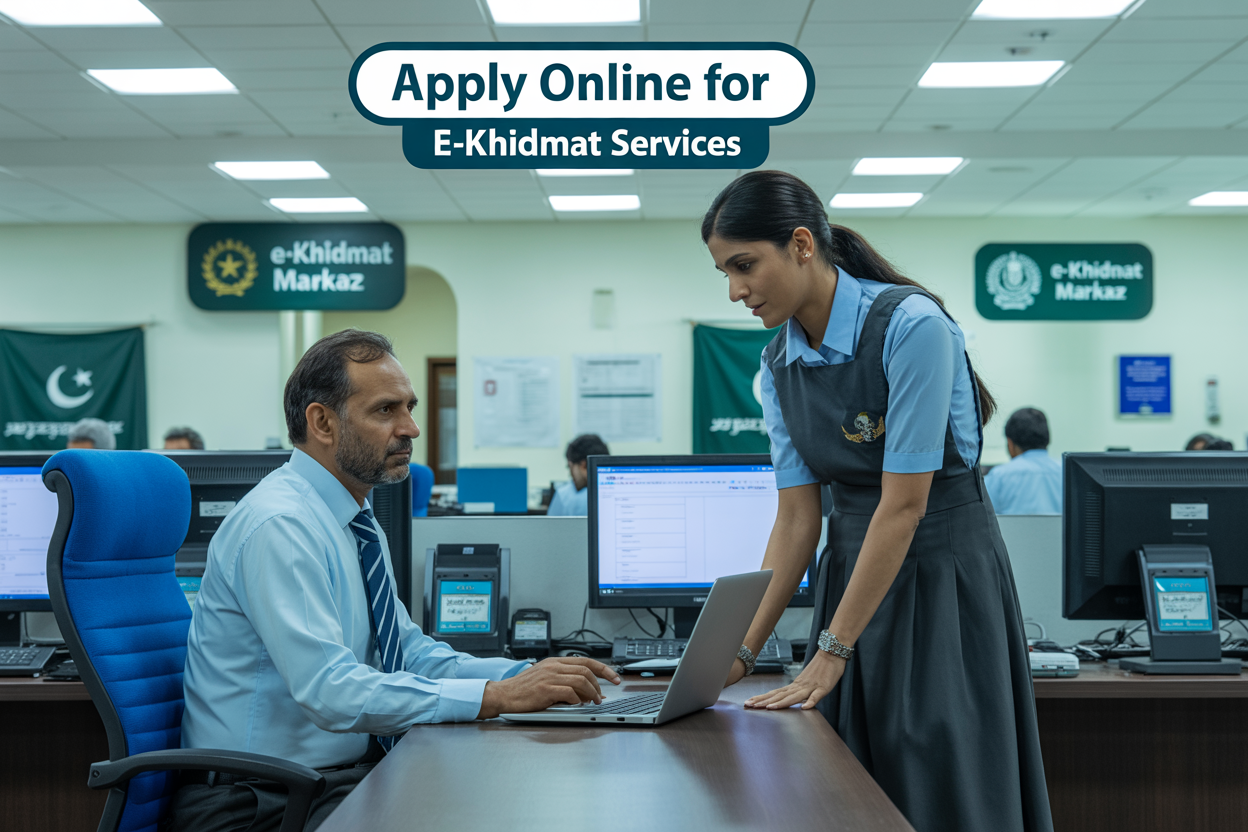
    Create a realistic image of a Pakistani government office interior with modern computers and digital service counters, featuring a middle-aged South Asian male citizen sitting at a help desk using a laptop computer while a uniformed South Asian female staff member assists him, with official Pakistani government logos and "e-Khidmat Markaz" signage visible on the walls, bright fluorescent lighting creating a professional administrative atmosphere, and the text "Apply Online for e-Khidmat Services" prominently displayed as an overlay banner.

    Getting government services in Pakistan just got easier with the e-Khidmat Markaz online platform. This digital portal lets you apply for various government services from home, saving you time and trips to physical offices.

    This guide is perfect for Pakistani citizens who want to access government services online, whether you’re applying for your first digital service or need help navigating the system. We’ll walk you through everything from creating your account to completing your applications.

    You’ll learn how to set up your e-Khidmat digital account setup with the right documents and verification steps. We’ll also cover the complete e-Khidmat Markaz registration process, including how to navigate service applications, understand payment options, and track your progress from start to finish.

    By the end, you’ll know exactly how to apply e-Khidmat services online and make the most of Pakistan’s growing digital government services.

    Understanding e-Khidmat Markaz Platform
    Create a realistic image of a modern computer screen displaying a clean, professional government digital platform interface with various service icons and navigation menus, sitting on a contemporary office desk with a wireless mouse and keyboard, soft natural lighting from a nearby window illuminating the workspace, creating a professional and user-friendly atmosphere that represents digital government services accessibility, absolutely NO text should be in the scene.

    What is e-Khidmat Markaz and its purpose

    e-Khidmat Markaz serves as Pakistan’s comprehensive digital gateway for accessing government services online. This innovative platform was designed to streamline the delivery of public services by bringing them directly to citizens’ fingertips. The name “e-Khidmat” translates to “e-Service” in English, reflecting its core mission to digitize traditional government processes.

    The platform operates under the umbrella of Pakistan’s digital transformation initiative, aiming to reduce bureaucratic hurdles and make government services more accessible to the general public. Citizens can now complete various administrative tasks from their homes or offices, eliminating the need for multiple visits to government offices. The e-Khidmat Markaz online application system represents a significant shift toward modernizing public service delivery in Pakistan.

    This digital portal connects multiple government departments and agencies, creating a unified interface where citizens can interact with various ministries and departments through a single login. The platform prioritizes user experience by providing a clean, intuitive interface that even first-time users can navigate easily.

    Available government services through the portal

    The Pakistan online services portal offers an extensive range of government services across different sectors. Citizens can apply for essential documents like national identity cards (CNIC), passports, and driving licenses through the platform. The system also handles birth and death certificates, marriage registrations, and domicile certificates.

    Business-related services include company registrations, tax filings, and trade license applications. The platform covers educational services such as degree attestations and scholarship applications. Healthcare services include hospital registrations and medical certificate verifications.

    Key services available include:

    • Identity Documents: CNIC applications, renewals, and modifications
    • Travel Documents: Passport applications and renewals
    • Vehicle Services: Driving license applications, vehicle registrations
    • Legal Documents: Marriage certificates, divorce certificates
    • Business Services: Company formations, tax registrations
    • Educational Services: Degree verifications, scholarship applications
    • Property Services: Property registrations, mutation applications
    • Social Services: Welfare program applications, pension registrations

    The platform continuously expands its service offerings as more government departments integrate their processes with the digital government services application system.

    Benefits of applying online vs traditional methods

    The e-Khidmat Markaz registration process offers numerous advantages over traditional paper-based applications. Time savings represent the most significant benefit, as citizens can complete applications 24/7 without visiting government offices during limited working hours. This flexibility particularly benefits working professionals and those living in remote areas.

    Cost reduction is another major advantage. Online applications eliminate travel expenses, photocopying costs, and the need to take time off work. Citizens save money on transportation, parking fees, and other expenses associated with multiple office visits.

    The digital system provides transparency that traditional methods often lack. Applicants receive immediate confirmation receipts, real-time status updates, and clear timelines for processing. This visibility reduces anxiety and uncertainty about application progress.

    Online government services Pakistan also reduces human error and corruption risks. Automated systems process applications based on predefined criteria, minimizing subjective decision-making and potential favoritism. Digital records create audit trails that enhance accountability.

    Document security improves significantly with online applications. Digital submissions reduce the risk of lost paperwork, and electronic storage ensures documents remain accessible for future reference. The system also maintains backup copies, protecting against data loss.

    System requirements and compatibility

    The e-Khidmat digital account setup requires minimal technical specifications, making it accessible to users with basic computing equipment. The platform works on most modern devices including desktop computers, laptops, tablets, and smartphones.

    Browser compatibility includes:

    • Google Chrome (version 70 or higher)
    • Mozilla Firefox (version 65 or higher)
    • Safari (version 12 or higher)
    • Microsoft Edge (version 44 or higher)

    Internet connectivity requirements are modest – a stable broadband connection with at least 1 Mbps speed ensures smooth operation. Mobile data connections work well for most services, though document uploads may require stronger signals.

    Device specifications include:

    • RAM: Minimum 2GB (4GB recommended)
    • Storage: At least 1GB free space for temporary files
    • Screen Resolution: 1024×768 minimum for optimal viewing
    • Operating Systems: Windows 7+, macOS 10.12+, Android 6.0+, iOS 10+

    Additional requirements include a valid email address for account verification and notifications, a mobile phone number for SMS verifications, and access to a scanner or camera for document uploads. Users should also have PDF reading capability and basic computer literacy skills to navigate the interface effectively.

    Setting Up Your Digital Account
    Create a realistic image of a South Asian male sitting at a modern desk with a laptop computer open, showing a government website registration page on the screen, with his hands positioned over the keyboard as if typing, a smartphone placed nearby on the desk, official documents and an ID card visible on the desk surface, in a clean home office environment with soft natural lighting from a window, conveying a focused and professional atmosphere of digital account setup, absolutely NO text should be in the scene.

    Creating your user profile and verification

    Getting started with your e-Khidmat Markaz online application begins with setting up a secure digital profile. The registration process is straightforward and designed to protect your personal information while giving you access to hundreds of government services.

    To create your account, visit the official e-Khidmat portal and click the “Sign Up” button. You’ll need to provide your CNIC number, mobile phone number, and email address. The system will send a verification code to both your phone and email – make sure to check your spam folder if you don’t see the email immediately.

    Your CNIC serves as your primary identifier in the system, linking all your applications and services under one digital identity. The platform uses this information to verify your citizenship and eligibility for various services. Double-check that you enter your CNIC exactly as it appears on your card, including any hyphens or spaces.

    The mobile number verification is particularly important because the system uses SMS notifications to keep you updated about your applications. Choose a number you check regularly since you’ll receive status updates, payment confirmations, and appointment reminders through this channel.

    After entering your basic information, you’ll create a username and password. Your username becomes your permanent login credential, so pick something memorable but professional. Many users choose a combination of their name and birth year, though you can select any available option.

    The email verification process includes clicking a confirmation link sent to your registered email address. This step activates your account and enables important notifications about service updates, policy changes, and application deadlines.

    Required documents for account registration

    The e-Khidmat Markaz registration process requires specific documents to complete your profile setup. Having these ready before you start saves time and prevents incomplete applications.

    Your original CNIC is the most critical document. The system needs a clear, readable copy uploaded in JPG or PDF format. Take a high-quality photo or scan ensuring all text is legible and the image isn’t blurry or cropped.

    For enhanced verification levels, you might need additional documents depending on the services you plan to access:

    Basic Documentation Requirements:

    • Valid CNIC (front and back)
    • Passport-size photograph with white background
    • Mobile bill or utility bill for address verification
    • Bank account details for payment processing

    Professional Services Documentation:

    • Educational certificates for employment-related services
    • Business registration documents for commercial applications
    • Property documents for land-related services
    • Family registration certificate for dependent services

    Upload documents in the recommended formats and file sizes. Most documents should be under 2MB and in PDF, JPG, or PNG format. Poor quality images or oversized files often cause upload failures, so prepare your documents properly before starting the registration.

    The system automatically crops and resizes images, but starting with properly formatted documents ensures better results. Keep digital copies of all documents on your device for future applications since many services require additional documentation.

    Understanding security features and password requirements

    Your e-Khidmat digital account setup includes robust security measures designed to protect your personal information and prevent unauthorized access. Understanding these features helps you maintain account security while accessing government services efficiently.

    Password requirements are strict but necessary for protecting sensitive government data. Your password must contain:

    • Minimum 8 characters, maximum 20 characters
    • At least one uppercase letter
    • At least one lowercase letter
    • At least one number
    • At least one special character (!@#$%^&*)
    • No common words or personal information

    The system blocks passwords that include your name, CNIC digits, or common phrases like “password123.” Choose a unique combination that you can remember but others can’t guess. Consider using a passphrase method – combining unrelated words with numbers and symbols.

    Two-factor authentication (2FA) adds an extra security layer to your account. When enabled, you’ll receive a verification code on your registered mobile number each time you log in from a new device. This prevents unauthorized access even if someone discovers your password.

    The platform includes session management features that automatically log you out after 30 minutes of inactivity. This protects your account if you forget to log out on shared computers. You can manually extend sessions if you’re actively working on applications.

    Account lockout protection activates after five failed login attempts, temporarily blocking access for security. If you forget your password, use the “Forgot Password” option to reset it through your registered email or mobile number.

    The system maintains detailed login logs showing when and from where you accessed your account. Review these regularly through your account settings to spot any suspicious activity. Report unusual login attempts immediately through the platform’s support channels.

    Regular password updates strengthen account security. The system reminds you to change passwords every 90 days, though you can update them anytime through your profile settings. Never share your login credentials or access your account from untrusted devices or networks.

    Navigating the Service Application Process

    Create a realistic image of a South Asian male in his 30s sitting at a modern desk with a laptop computer, pointing at the screen which displays a simplified flowchart or process diagram with connected boxes and arrows, with official government documents and forms spread on the desk beside him, in a clean modern office environment with soft natural lighting from a window, conveying a helpful and organized atmosphere as he navigates through an online application process, absolutely NO text should be in the scene.

    Browsing and selecting available services

    The e-Khidmat Markaz online platform hosts dozens of government services under one digital roof, making it easier for Pakistani citizens to access what they need without visiting multiple offices. When you log into your account, you’ll find services organized by categories like education, health, legal affairs, and business registration.

    Start by using the search bar if you know exactly what service you need – typing “birth certificate” or “passport renewal” will quickly filter results. Alternatively, browse through the main categories displayed on the homepage. Each service listing shows essential details including processing time, required documents, and applicable fees.

    Popular services include NADRA document requests, vehicle registration renewals, property verification, and educational certificate attestations. The platform also offers newer digital services like online NOCs (No Objection Certificates) and business license applications that previously required multiple office visits.

    Pay attention to service availability – some services might be temporarily unavailable due to system maintenance or policy updates. The platform clearly marks these with status indicators, so you won’t waste time starting an application that can’t be processed.

    Completing application forms accurately

    Accurate form completion prevents delays and rejection of your e-Khidmat Markaz online application. Each service has its own form structure, but most follow similar patterns requesting personal information, contact details, and service-specific requirements.

    Double-check your CNIC number, mobile number, and email address since these serve as primary identifiers for your application. Inconsistent information across different fields often triggers automatic validation errors that can delay processing.

    When entering addresses, use the format suggested by the system. Many forms include dropdown menus for cities and districts – select from these options rather than typing manually to avoid formatting issues. For international addresses, follow the specific guidelines provided for overseas applicants.

    Date fields require particular attention. Use the calendar widget when available, and ensure you’re entering dates in the correct format (usually DD/MM/YYYY for Pakistani systems). Birth dates, issue dates for existing documents, and requested service dates must align with supporting documentation you’ll upload later.

    Some forms include conditional fields that appear based on your previous answers. Answer each question completely before moving to the next section to ensure all relevant fields display properly.

    Uploading required documents and attachments

    Document upload represents a critical step in your online government services Pakistan application process. The system accepts multiple file formats including PDF, JPG, and PNG, with most documents requiring PDF format for official submissions.

    Scan your documents at high resolution (minimum 300 DPI) to ensure text remains readable after compression. Poor quality scans frequently result in application rejections, forcing you to restart the entire process. Each document should be clearly visible with all text legible and corners fully captured in the image.

    File size limits typically range from 2MB to 5MB per document. If your files exceed these limits, use PDF compression tools or reduce image resolution while maintaining readability. Name your files descriptively – “CNIC_Front.pdf” works better than “Document1.pdf” when you need to reference them later.

    The platform provides a checklist of required documents for each service. Common requirements include:

    • CNIC copies (front and back)
    • Passport-size photographs
    • Existing certificates or licenses
    • Proof of address
    • Fee payment receipts (if applicable)

    Upload documents in the exact order listed in the requirements. Some services allow additional supporting documents – use this option when you have extra proof that might strengthen your application.

    Reviewing application details before submission

    The review step gives you one final chance to catch errors before submitting your e-Khidmat services application. Take time to read through every section carefully, as most services don’t allow modifications after submission.

    Verify that all personal information matches your official documents exactly. Even small spelling differences in names or addresses can cause processing delays. Check that uploaded documents are the correct files – accidentally uploading the wrong document is a common mistake that’s easily prevented during review.

    Confirm your contact information is current and accurate. The system will send updates to the mobile number and email address you provide, so outdated contact details mean you’ll miss important notifications about your application status.

    Review the fee structure and payment method selection if applicable. Some services offer multiple payment options, and changing your preferred method after submission may not be possible. Make sure you understand the total cost and any additional processing fees.

    Before clicking submit, save or screenshot your application reference number and any important details. This information becomes essential for tracking your application and resolving any issues that might arise during processing.

    Payment Methods and Fee Structure

    Create a realistic image of a Pakistani man's hands holding a smartphone displaying a digital payment interface with various payment method icons including credit cards, mobile banking, and digital wallets, with Pakistani rupee banknotes and coins scattered on a wooden desk surface, complemented by a calculator and official government fee schedule document, set in a well-lit home office environment with warm natural lighting from a window, absolutely NO text should be in the scene.

    Understanding service charges and government fees

    The e-Khidmat Markaz fee structure breaks down into two main categories: government-mandated fees and service charges. Government fees are fixed amounts set by relevant departments for specific documents like passport renewals, CNIC applications, or birth certificates. These fees remain consistent whether you apply online through the e-Khidmat Markaz registration process or visit a physical center.

    Service charges cover the administrative costs of processing your application through the digital platform. These charges typically range from PKR 50 to PKR 200 depending on the complexity of your requested service. Express processing options carry higher service fees but guarantee faster turnaround times.

    Different government departments maintain their own pricing structures. For example, NADRA services like CNIC renewal cost PKR 1,500 plus applicable service charges, while passport services through the Passport Office carry separate fee schedules. The platform displays all applicable fees upfront during the application process, so you won’t encounter any surprise charges.

    Special discounts apply for certain categories including senior citizens, students, and persons with disabilities. These reduced rates reflect government policies aimed at making essential services more accessible across Pakistan.

    Available online payment options

    The e-Khidmat Markaz online application portal supports multiple payment methods to accommodate different user preferences. Credit and debit cards from major banks including HBL, UBL, MCB, and Allied Bank work seamlessly through the integrated payment gateway.

    Mobile banking solutions like JazzCash, Easypaisa, and UPaisa provide convenient alternatives for users who prefer digital wallet transactions. These services process payments instantly and send confirmation messages to your registered mobile number.

    Payment MethodProcessing TimeTransaction Limit
    Credit/Debit CardsInstantPKR 100,000
    JazzCashInstantPKR 25,000
    EasypaisaInstantPKR 25,000
    Bank Transfer1-2 hoursPKR 500,000

    Internet banking through major Pakistani banks offers another secure option for completing your e-Khidmat payment methods. This option works particularly well for larger fee amounts that exceed mobile wallet limits.

    Bank drafts and pay orders remain available for users who prefer traditional payment methods, though these require physical submission at designated collection centers.

    Processing payment securely through the portal

    Security measures built into the Pakistan online services portal protect your financial information throughout the transaction process. The platform uses 256-bit SSL encryption to safeguard all payment data transmitted between your device and the server.

    Two-factor authentication adds an extra security layer during payment processing. After entering your payment details, you’ll receive an OTP (One-Time Password) on your registered mobile number. This verification step prevents unauthorized transactions even if someone gains access to your login credentials.

    The payment gateway redirects you to your bank’s secure server for final authorization. This means your actual card details never store on the e-Khidmat platform servers. Banks handle the sensitive financial data according to international security standards.

    Payment confirmations appear immediately after successful transactions. The system generates a unique transaction ID that links to your application reference number. Save this information for future reference and potential dispute resolution.

    Failed payments trigger automatic notifications explaining the reason for rejection. Common issues include insufficient funds, expired cards, or network connectivity problems. The platform allows you to retry payments without restarting your entire application process.

    Your e-Khidmat digital account setup includes a payment history section where you can view all previous transactions. This feature helps track expenses and provides proof of payment for record-keeping purposes.

    Tracking Your Application Status
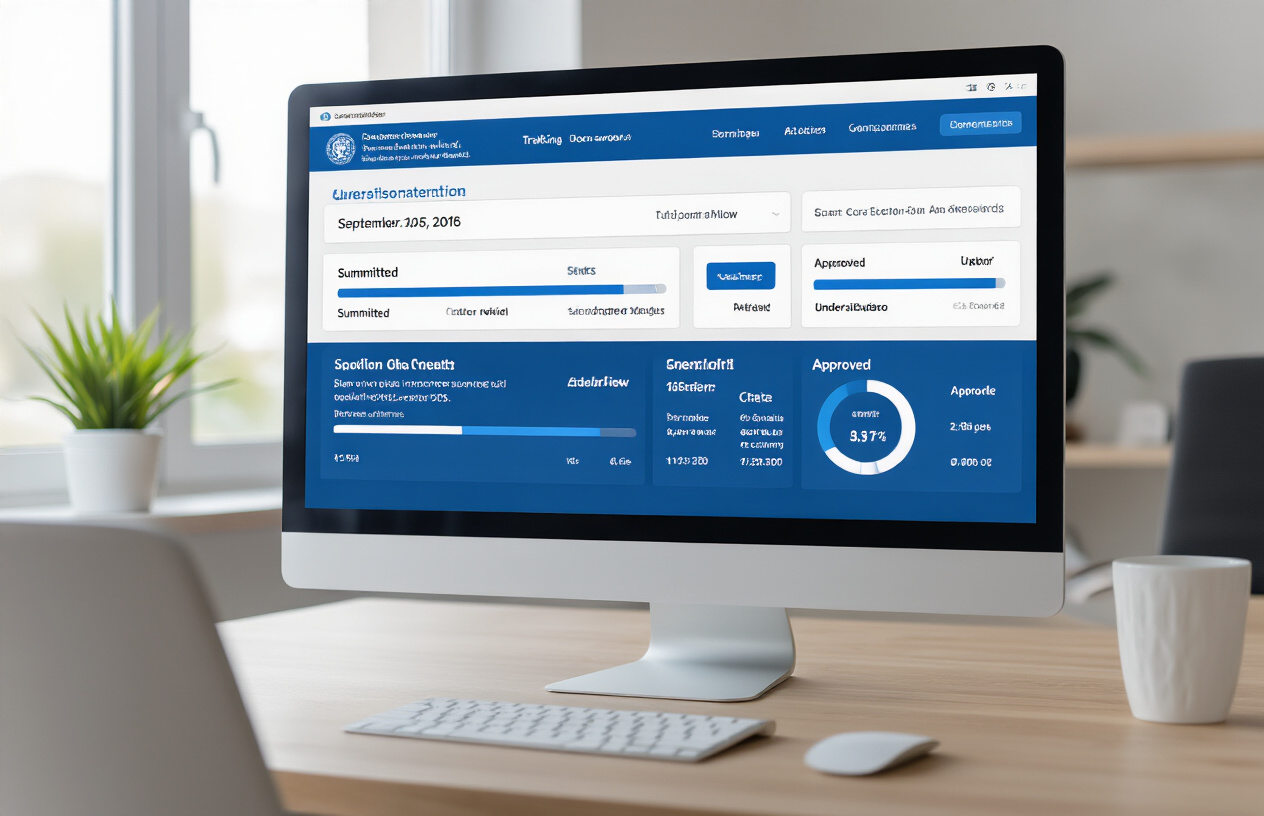
    Create a realistic image of a computer screen displaying an application tracking interface with progress bars, status indicators, and multiple application entries showing different stages like "submitted", "under review", and "approved", with a clean government website design featuring blue and white colors, modern dashboard layout with tracking numbers and timestamps visible, professional office environment in the background, soft natural lighting from a window, absolutely NO text should be in the scene.

    Using Application Reference Numbers Effectively

    Your application reference number is your golden ticket to tracking progress through the e-Khidmat Markaz online application system. This unique identifier gets generated the moment you submit your service request and serves as your primary tool for monitoring every stage of the process.

    Keep this reference number safe by saving it in multiple places – your email, phone notes, or even writing it down. The reference number typically follows a specific format combining letters and numbers that identify your application type and submission date. You’ll need this number every time you want to check your application status or contact customer support.

    Most people make the mistake of only checking their application status once or twice. The smart approach involves regular monitoring, especially during peak processing periods when government offices handle higher volumes of requests. Log into your e-Khidmat digital account and enter your reference number in the tracking section to get real-time updates on document verification, approval stages, and any additional requirements.

    When using your reference number, make sure you’re entering it exactly as provided – including any dashes, spaces, or special characters. The system is case-sensitive, so pay attention to uppercase and lowercase letters. If you’re having trouble accessing your application status, double-check that you’re using the correct reference number format.

    Receiving Notifications and Updates

    The e-Khidmat platform keeps you informed through multiple notification channels, making sure you never miss important updates about your application. Email notifications remain the primary communication method, delivering detailed information about status changes, document requirements, and approval confirmations directly to your registered email address.

    SMS alerts provide quick updates for major milestones like application receipt confirmation, document verification completion, and final approval notifications. These text messages include your reference number and brief status descriptions, perfect for staying updated while on the go.

    Push notifications through the e-Khidmat mobile app offer the most immediate updates. Enable these notifications during your initial setup to receive instant alerts whenever your application moves to the next processing stage. The app notifications include direct links to view detailed status information or take required actions.

    Check your spam folder regularly, as automated government emails sometimes get filtered incorrectly. Add the official e-Khidmat email domain to your trusted senders list to ensure all notifications reach your inbox. You can also customize notification preferences in your account settings, choosing which types of updates you want to receive through each communication channel.

    Understanding Processing Timelines for Different Services

    Processing timelines vary significantly across different e-Khidmat services, and knowing what to expect helps you plan accordingly. Document verification services like domicile certificates typically take 3-5 business days, while more complex applications such as character certificates may require 7-10 business days for completion.

    Here’s a breakdown of common processing timeframes:

    Service TypeExpected TimelineFactors Affecting Speed
    Domicile Certificate3-5 business daysDocument clarity, verification requirements
    Character Certificate7-10 business daysBackground verification depth
    Income Certificate4-6 business daysFinancial document verification
    Birth Certificate5-8 business daysRecord verification, hospital coordination
    Marriage Certificate6-10 business daysDocument authentication, witness verification

    Peak seasons like school admission periods or job application deadlines can extend these timelines by 2-3 additional days. Government holidays and weekends pause processing, so factor these into your planning when applying for time-sensitive documents.

    The system automatically accounts for verification delays when multiple departments need to coordinate. Some certificates require physical verification visits, which can add extra processing time depending on your location and local office workload.

    Accessing Digital Certificates and Completed Documents

    Once your application receives approval, accessing your digital certificates becomes straightforward through your e-Khidmat account dashboard. The platform stores all completed documents in a secure digital format, allowing immediate download and printing without visiting physical offices.

    Your completed certificates appear in the “My Documents” section with clear labeling and download options. Each document includes digital verification codes and official seals that maintain legal validity for all intended purposes. Save these documents to multiple devices and cloud storage services for easy access when needed.

    Digital certificates from e-Khidmat carry the same legal weight as traditional paper documents. Government offices, educational institutions, and employers across Pakistan recognize these digitally issued certificates for all official purposes. The built-in security features prevent tampering while maintaining document authenticity.

    Print quality matters when you need physical copies of your digital certificates. Use standard printer paper and ensure clear printing to maintain the document’s professional appearance and readability of verification codes. Keep both digital and printed copies for different usage scenarios.

    The platform maintains a permanent record of all your issued documents, allowing re-downloads whenever necessary. This feature proves invaluable when you need multiple copies for different applications or if you lose your original printed versions.

    Create a realistic image of a professional South Asian male sitting at a modern desk with a laptop computer open, showing a satisfied expression while looking at the screen, with official government documents and certificates neatly arranged on the desk beside him, in a clean contemporary office environment with soft natural lighting from a window, conveying a sense of accomplishment and successful completion of online government services, absolutely NO text should be in the scene.

    The e-Khidmat Markaz platform makes getting government services way easier than the old days of standing in long lines. You can set up your account from home, browse through different services, and submit your applications without any hassle. The payment system is straightforward, and you can keep track of everything online without making phone calls or visiting offices.

    Take advantage of this digital shift and start using e-Khidmat Markaz for your next government service need. The platform saves you time, money, and effort while giving you full control over your applications. Don’t let technology intimidate you – the system is designed to be user-friendly, and once you try it, you’ll wonder why you ever did things the traditional way.

    1. How to apply for services at e-Khidmat Markaz online
    2. Complete guide to e-Khidmat Markaz Pakistan services
    3. Step-by-step process to book appointments at e-Khidmat Markaz
    4. Online registration process for e-Khidmat Markaz in Pakistan
    5. List of documents required for e-Khidmat Markaz applications
    6. Tracking application status at e-Khidmat Markaz online
    7. How to renew CNIC through e-Khidmat Markaz portal
    8. Digital services available at e-Khidmat Markaz near me
    9. Fees and charges for e-Khidmat Markaz services in 2026
    10. Schedule an appointment at your nearest e-Khidmat Markaz

    e-Khidmat Markaz 2026: Your Complete Guide to Service Fees & Charges That Won’t Break the Bank

    Have you ever wondered how much it costs to get your important documents from e-Khidmat Markaz? Well, you’re not alone! Thousands of people visit these digital service centers every day, & many of them are surprised by the fees they encounter. As we step into 2026, the Pakistani government has updated its fee structure for e-Khidmat Markaz services, bringing both good news & some changes that might affect your wallet.

    The e-Khidmat Markaz system has become a LIFELINE for millions of Pakistanis who need quick access to government services without the hassle of visiting multiple offices. From getting your CNIC to applying for passport renewals, these centers have made life so much easier. But understanding the cost structure can be tricky, especially when you’re planning your budget for important documents.

    In this comprehensive guide, we’ll break down everything you need to know about the 2026 fee structure for e-Khidmat Markaz services. We’ll explore the different categories of services, explain why certain fees have changed, & help you understand exactly what you’ll pay for each service. Whether you’re a first-time visitor or a regular user, this article will give you the clarity you need to make informed decisions about your document needs.

    Understanding the NEW Fee Structure Categories

    The 2026 fee structure for e-Khidmat Markaz has been divided into several CLEAR categories to make things easier for everyone. The government realized that people were getting confused with the old system, so they simplified everything into four main groups: Identity Documents, Educational Certificates, Property Related Services, & Miscellaneous Government Services.

    Identity Documents form the largest category & include services like CNIC applications, passport renewals, & driving license processing. For a fresh CNIC application, you’ll pay PKR 350, which includes the service fee & the card production cost. This is actually PKR 50 less than what people paid in 2025! The government reduced this fee because they wanted to encourage more people to get proper identification documents.

    Passport services have seen some INTERESTING changes too. A standard passport application now costs PKR 8,500, but here’s the good news – expedited processing is only an additional PKR 2,000 instead of the previous PKR 3,500. Many families are happy about this change because they can now get urgent passports without spending a fortune. The government explained that they improved their systems, so they could offer faster service at a lower premium cost.

    Educational certificates & verification services are priced very reasonably. Getting your matric or intermediate certificate verified costs only PKR 200 per document. University degree verification is slightly higher at PKR 500, but this includes digital verification that employers can check online. Students & job seekers appreciate this service because it saves them weeks of running around different offices.

    Digital Payment Options & Hidden Charges Explained

    One of the BIGGEST improvements in 2026 is the expansion of digital payment options at e-Khidmat Markaz centers. You can now pay using mobile wallets, credit cards, debit cards, & even cryptocurrency in select locations. However, it’s important to understand that different payment methods come with different processing fees.

    When you pay with cash, there are no additional charges – what you see is what you pay. But if you choose to use a credit card, there’s a 2% processing fee added to your total bill. For example, if your service costs PKR 1,000, you’ll actually pay PKR 1,020 with a credit card. Mobile wallet payments like JazzCash & Easypaisa have a flat fee of PKR 25 regardless of the amount, making them a good choice for smaller transactions.

    The government introduced these payment options to make things more convenient, but they also wanted to be TRANSPARENT about any extra costs. Some people complained in 2025 that they were surprised by hidden charges, so now everything is clearly displayed on the payment screen before you confirm your transaction. You’ll see a breakdown showing the service fee, any processing charges, & the total amount.

    Cryptocurrency payments are still in the experimental phase & are only available in major cities like Karachi, Lahore, & Islamabad. If you use Bitcoin or other accepted cryptocurrencies, there’s a 3% processing fee, but many tech-savvy users find this option convenient. The government is watching how this works & might expand it to more cities if people like using it.

    Service Categories & Their Specific Costs

    Let’s dive deeper into the SPECIFIC costs for different service categories that you’re most likely to use. Property-related services have become increasingly popular as more people buy & sell real estate. Getting a property verification certificate costs PKR 1,500, which might seem expensive, but it includes a comprehensive background check that can save you from fraud.

    Vehicle registration & transfer services are handled efficiently at e-Khidmat Markaz locations. Registering a new car costs PKR 2,200, while transferring ownership of an existing vehicle is PKR 1,800. These fees include all the paperwork, verification processes, & the issuance of new documents. Many people find this much more convenient than visiting multiple government offices.

    Health-related document services are PRICED very affordably because the government considers them essential. Getting a medical fitness certificate costs only PKR 300, & this includes a basic health screening. Vaccination certificates are even cheaper at PKR 150 each. These low prices encourage people to maintain proper health documentation.

    Business registration & licensing services vary widely depending on what type of business you’re starting. A simple trade license costs PKR 5,000, but if you need additional permits for food handling or manufacturing, the costs can go up to PKR 15,000 or more. The good news is that all these services are now available under one roof, saving you time & transportation costs.

    Tax-related services include income tax certificate issuance (PKR 400), sales tax registration (PKR 800), & tax return filing assistance (PKR 1,200). These services are popular among small business owners who don’t want to hire expensive accountants. The staff at e-Khidmat Markaz are trained to help with basic tax questions, making these services valuable for ordinary citizens.

    Money-Saving Tips & Fee Reduction Programs

    Smart planning can help you SAVE significant money on e-Khidmat Markaz services. The government has introduced several programs to help people reduce their costs, especially for families who need multiple services at once. If you apply for three or more services in a single visit, you get a 10% discount on the total bill.

    Senior citizens (above 60 years) & disabled individuals receive a 25% discount on most services. This is the government’s way of supporting vulnerable populations who often live on fixed incomes. Students with valid student IDs get a 15% discount on educational document services, which helps young people who are already struggling with education costs.

    The EARLY Bird program offers reduced fees for people who apply for document renewals at least three months before their expiration dates. For example, if you renew your CNIC three months early, you pay PKR 300 instead of PKR 350. This program encourages people to plan ahead & reduces the rush for last-minute applications.

    Group applications from the same family can result in substantial savings. If five or more family members apply for CNICs together, each person pays only PKR 250 instead of the regular PKR 350. This is particularly helpful for large families or when parents are getting documents for multiple children.

    Loyalty programs reward frequent users with points that can be converted into fee reductions. Every PKR 100 you spend earns you 5 points, & 100 points equal a PKR 50 discount on future services. Regular users like business owners who frequently need various certificates find this program very beneficial.

    Looking Ahead: What These Changes Mean for You

    The 2026 fee structure for e-Khidmat Markaz reflects the government’s commitment to making essential services both affordable & accessible. While some fees have increased slightly due to inflation & improved service quality, many have actually gone down thanks to technological improvements & increased efficiency.

    Understanding these fees helps you budget better for your documentation needs. Whether you’re planning to get a new passport, register a business, or update your CNIC, knowing the exact costs ahead of time prevents unpleasant surprises. The transparent pricing system means you can trust that the amount you’re quoted is exactly what you’ll pay.

    The introduction of digital payment options makes transactions smoother, but remember to factor in processing fees when choosing your payment method. Cash remains the most economical option, while mobile wallets offer a good balance between convenience & cost for most transactions.

    Take advantage of the various discount programs available to you. Whether you qualify for senior citizen discounts, student reductions, or family group rates, these savings can add up to significant amounts over time. Planning your applications strategically & combining multiple services in one visit maximizes your savings.

    As the e-Khidmat Markaz system continues to evolve, we can expect even more improvements in service delivery & potentially more competitive pricing. The government’s focus on digitization & efficiency suggests that costs may continue to decrease while service quality improves. Stay informed about updates to ensure you’re always getting the best value for your money when accessing these essential government services.
  • Youth Business and Agriculture Loan Scheme Explained

    Youth Business and Agriculture Loan Scheme Explained

    Article Outline

    H1: Youth Business and Agriculture Loan Scheme (PMYB&ALS): A Complete Guide

    H2: Introduction to PMYB&ALS

    • H3: What is the Youth Business and Agriculture Loan Scheme?
    • H3: Why This Scheme Matters for Young People

    H2: Background and Vision of PMYB&ALS

    • H3: Government’s Role in Youth Empowerment
    • H3: Focus on Business and Agriculture Development

    H2: Key Objectives of PMYB&ALS

    • H3: Reducing Youth Unemployment
    • H3: Promoting Entrepreneurship
    • H3: Strengthening the Agriculture Sector

    H2: Who Can Apply for PMYB&ALS

    • H3: Age Criteria
    • H3: Educational and Skill Requirements
    • H3: Eligible Business and Agriculture Activities

    H2: Loan Categories Under PMYB&ALS

    • H3: Small Business Loans
    • H3: Agriculture and Livestock Loans
    • H3: Medium-Scale Enterprise Loans
    • H4: Loan Amount Ranges

    H2: Interest Rates and Repayment Terms

    • H3: Subsidized Interest Rates
    • H3: Flexible Repayment Plans
    • H4: Grace Period Benefits

    H2: Step-by-Step Application Process

    • H3: Required Documents
    • H3: Online vs Offline Application
    • H3: Loan Approval Timeline

    H2: Role of Banks and Financial Institutions

    • H3: Partner Banks
    • H3: Monitoring and Support

    H2: Benefits of PMYB&ALS

    • H3: Financial Independence for Youth
    • H3: Growth in Rural Economies
    • H3: Long-Term Economic Stability

    H2: Challenges and Common Misconceptions

    • H3: Myths About Loan Approval
    • H3: Real Challenges Faced by Applicants

    H2: Tips to Increase Loan Approval Chances

    • H3: Writing a Simple Business Plan
    • H3: Improving Creditworthiness
    • H3: Choosing the Right Loan Category

    H2: Comparison with Other Youth Loan Schemes

    • H3: How PMYB&ALS Is Different
    • H3: Why It Stands Out

    H2: Success Stories from PMYB&ALS

    • H3: Young Entrepreneurs
    • H3: Successful Farmers and Agri-Businesses

    H2: Impact of PMYB&ALS on the Economy

    • H3: Job Creation
    • H3: Boost to Agriculture Output

    H2: Future of Youth Business and Agriculture Loans

    • H3: Expected Improvements
    • H3: Digital Transformation in Loan Systems

    H2: Conclusion

    H2: Frequently Asked Questions (FAQs)


    Youth Business and Agriculture Loan Scheme (PMYB&ALS): A Complete Guide

    Introduction to PMYB&ALS

    Starting a business or investing in agriculture sounds exciting, right? But let’s be honest—money is usually the biggest roadblock. That’s exactly where the Youth Business and Agriculture Loan Scheme (PMYB&ALS) steps in like a helping hand.

    This scheme is designed to support young people who have ideas, energy, and ambition but lack financial resources. Whether you want to open a small shop, start a poultry farm, or expand an existing setup, PMYB&ALS aims to make it possible.

    What is the Youth Business and Agriculture Loan Scheme?

    PMYB&ALS is a government-backed loan program created to provide affordable financing to youth for business and agriculture-related activities. The focus is simple: empower young minds to become job creators instead of job seekers.

    Why This Scheme Matters for Young People

    Youth unemployment is a serious issue. Many talented individuals struggle not because they lack skills, but because they lack capital. This scheme bridges that gap, turning ideas into income and dreams into reality.


    Background and Vision of PMYB&ALS

    Government’s Role in Youth Empowerment

    Governments worldwide recognize that youth are the backbone of economic growth. PMYB&ALS reflects this understanding by offering structured financial support with easy terms.

    Focus on Business and Agriculture Development

    Agriculture feeds the nation, while businesses fuel the economy. By supporting both, PMYB&ALS creates a balanced approach to sustainable development.


    Key Objectives of PMYB&ALS

    Reducing Youth Unemployment

    Instead of waiting for jobs, young people can create their own opportunities. One small loan can support multiple livelihoods.

    Promoting Entrepreneurship

    Entrepreneurship is like planting a seed. With the right care—capital, guidance, and patience—it grows into something impactful.

    Strengthening the Agriculture Sector

    From modern farming techniques to value-added agri-businesses, the scheme encourages innovation in agriculture.


    Who Can Apply for PMYB&ALS

    Age Criteria

    Typically, applicants must be young individuals within a defined age bracket, often ranging from early adulthood to middle age.

    Educational and Skill Requirements

    Formal education is helpful but not always mandatory. Skills, experience, and commitment matter more.

    Eligible Business and Agriculture Activities

    Retail shops, services, farming, livestock, fisheries, food processing—if it’s productive, it’s usually eligible.


    Loan Categories Under PMYB&ALS

    Small Business Loans

    Perfect for startups or home-based businesses needing limited capital.

    Agriculture and Livestock Loans

    These cover farming equipment, seeds, animals, and related inputs.

    Medium-Scale Enterprise Loans

    For those ready to scale up operations and hire more workers.

    Loan Amount Ranges

    Loan amounts vary depending on category, project size, and repayment capacity.


    Interest Rates and Repayment Terms

    Subsidized Interest Rates

    Interest rates are kept lower than commercial loans, making repayment manageable.

    Flexible Repayment Plans

    Borrowers can repay monthly, quarterly, or seasonally—especially helpful for farmers.

    Grace Period Benefits

    Many loans offer a grace period, giving businesses time to start generating income before repayment begins.


    Step-by-Step Application Process

    Required Documents

    Basic identification, business plan, income details, and sometimes collateral documents.

    Online vs Offline Application

    Some banks offer online portals, while others accept applications in branches.

    Loan Approval Timeline

    Approval times vary, but clear documentation speeds things up.


    Role of Banks and Financial Institutions

    Partner Banks

    Government-approved banks handle loan processing and disbursement.

    Monitoring and Support

    Banks often provide guidance to ensure funds are used properly.


    Benefits of PMYB&ALS

    Financial Independence for Youth

    Nothing beats the confidence of earning through your own efforts.

    Growth in Rural Economies

    Agriculture loans boost rural income and reduce migration to cities.

    Long-Term Economic Stability

    More businesses mean more taxes, more jobs, and a stronger economy.


    Challenges and Common Misconceptions

    Myths About Loan Approval

    Many think loans are impossible without connections. That’s not true.

    Real Challenges Faced by Applicants

    Poor planning and incomplete documents are the real hurdles.


    Tips to Increase Loan Approval Chances

    Writing a Simple Business Plan

    Keep it realistic and easy to understand.

    Improving Creditworthiness

    Pay existing dues on time and maintain clean records.

    Choosing the Right Loan Category

    Apply only for what you truly need.


    Comparison with Other Youth Loan Schemes

    How PMYB&ALS Is Different

    It combines business and agriculture under one umbrella.

    Why It Stands Out

    Affordable rates, flexible terms, and youth-focused policies make it unique.


    Success Stories from PMYB&ALS

    Young Entrepreneurs

    Many have turned small loans into profitable ventures.

    Successful Farmers and Agri-Businesses

    Modern farms and food businesses are proof of its impact.


    Impact of PMYB&ALS on the Economy

    Job Creation

    One funded business can support several families.

    Boost to Agriculture Output

    Better tools and techniques mean higher productivity.


    Future of Youth Business and Agriculture Loans

    Expected Improvements

    Simpler processes and faster approvals are on the horizon.

    Digital Transformation in Loan Systems

    Online tracking and digital payments will improve transparency.


    Conclusion

    The Youth Business and Agriculture Loan Scheme (PMYB&ALS) is more than just a loan—it’s an opportunity. It empowers youth, strengthens agriculture, and fuels entrepreneurship. If you have a plan and the passion to work hard, this scheme can be the push you need to change your future.


    Frequently Asked Questions (FAQs)

    1. Is PMYB&ALS only for educated youth?
    No, skills and commitment matter more than formal education.

    2. Can women apply for this scheme?
    Yes, women are strongly encouraged to apply.

    3. Is collateral required?
    Some loan categories may require it, others may not.

    4. How long does approval take?
    It depends on the bank, but complete documents speed up the process.

    5. Can I apply for both business and agriculture loans?
    Usually one loan at a time, depending on eligibility.


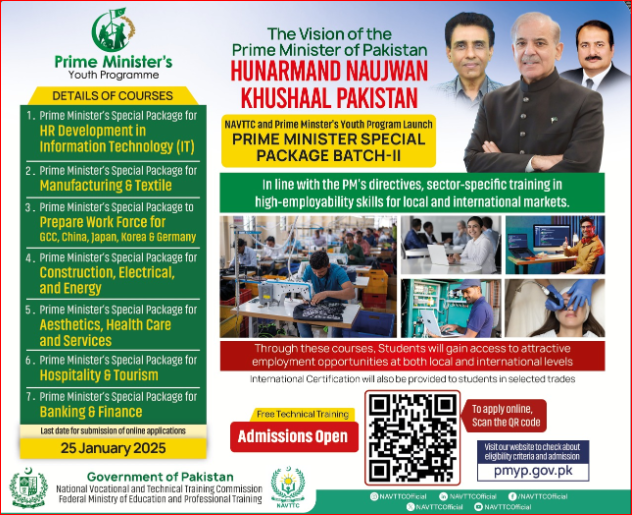
  • Hunarmand Punjab Program — Punjab Government’s Skill Development Initiative

    Hunarmand Punjab Program — Punjab Government’s Skill Development Initiative

    Introduction

    Hunarmand Punjab Program is a key initiative by the Punjab Government aimed at empowering youth through skills and professional training. The program provides training in various vocational and technical fields, creating self-reliant individuals who can compete in both national and international job markets.

    It primarily targets young individuals who have completed formal education but lack technical or vocational skills needed for employment.


    Objectives of the Program

    • Develop skills among youth for employment and entrepreneurship.
    • Provide professional training and job opportunities.
    • Empower both men and women to achieve economic independence.
    • Contribute to Punjab’s economic growth by producing skilled human resources.
    • Equip youth with modern industrial, technological, and business skills.

    Eligibility Criteria

    To participate in the program, the following criteria must be met:

    1. Domicile: Must be a resident of Punjab.
    2. Age: Between 18 and 35 years.
    3. Education: Minimum matriculation or intermediate; some courses may require a degree.
    4. Gender: Open to both male and female participants.
    5. Income: Some courses provide financial support or stipends for families below a specific income threshold
    greentractorscheme
    greentractorscheme

    Courses and Training Areas

    The Hunarmand Punjab Program offers training in a variety of fields:

    SectorCourse / TrainingDurationFinancial Support / Stipend
    IT & Digital SkillsWeb Development, Graphic Design, Digital Marketing3-6 monthsMonthly stipend PKR 5,000-10,000
    Technical & Industrial SkillsElectrical, Welding, Plumbing, AC Repair6-12 monthsTraining tools and monthly support
    Women-Focused TrainingEmbroidery, Sewing, Beauty Tech, Cooking3-6 monthsStipend and certification
    Business & EntrepreneurshipBusiness Management, Start-Up Training, Marketing3 monthsCoaching and financial assistance

    How to Apply

    Online Registration

    1. Visit the official website: https://punjab.gov.pk/hunarmand-punjab
    2. Click on “Apply Now” or “Register”
    3. Fill in personal details: Name, Father’s Name, CNIC, Contact Number
    4. Upload educational documents and other relevant certificates
    5. Submit the form and wait for confirmation via email or SMS

    Offline Registration

    • Application forms are also available at district skill development offices or training centers for offline submission.

    Key Benefits

    • Empowers youth through professional skill development
    • Provides better employment opportunities
    • Supports women’s empowerment by offering specialized courses
    • Prepares a skilled workforce for modern industries and business sectors
    • Offers financial assistance and stipends during training

    Helpline & Contact


    Citizen Participation & Responsibility

    • Join the program to enhance your skills and contribute positively to society.
    • Complete the training and obtain certification to access employment opportunities.
    • Encourage women in your community to participate.
    • Spread awareness about the program to maximize youth involvement.

    Results & Impact

    • Thousands of youth have already received vocational training and skill development.
    • Female participation has increased economic empowerment.
    • Trained youth are employed in industries, IT, businesses, and skilled trades.
    • The program supports Punjab’s economy while creating self-reliant youth.

    FAQs

    Q1: How can I join the Hunarmand Punjab Program?
    A1: You can apply online through the official website or at the relevant district office.

    Q2: Can women participate in the program?
    A2: Yes, there are dedicated courses and training opportunities for women.

    Q3: What is the minimum education requirement?
    A3: At least matriculation or intermediate; some courses may require a degree.

    Q4: Is financial support or a stipend provided?
    A4: Yes, students receive monthly stipends and, in some cases, necessary tools for training.

    Q5: What can I do after completing the training?
    A5: After certification, youth can seek employment, start their own business, or join modern industries.


    This article provides a complete overview of the Hunarmand Punjab Program, detailing registration, eligibility, benefits, helpline, and FAQs. It is ideal for blogs, social media, or official informational content.

    If you want, I can also create a ready-to-use infographic + AI image prompt + social media post layout for Hunarmand Punjab, similar to what we did for Suthra Punjab.

    Do you want me to prepare that?

    Below is a well-structured, SEO-optimized, long informational article (3000+ words) on the Hunarmand Punjab Program, written specifically for the audience of Punjab, Pakistan.
    It contains proper H2, H3 headings, tables, and keyword-focused content.


    Hunarmand Punjab Program – Complete Guide for 2025 (For the People of Punjab, Pakistan)

    The Hunarmand Punjab Program is one of the most ambitious skill-development initiatives launched for the youth of Punjab, Pakistan. Its main purpose is to empower young men and women with professional, technical, digital, and vocational skills so they can secure good job opportunities in Pakistan and abroad. The program aims to boost employment, entrepreneurship, and digital literacy by offering free courses, training, stipends, certifications, and career support.

    This detailed article covers everything you need to know, including:

    • Overview of Hunarmand Punjab Program
    • Key features and benefits
    • Eligibility criteria
    • List of available courses
    • How to apply online
    • Required documents
    • Stipend/fee structure
    • Training locations across Punjab
    • Program goals and impact
    • FAQs

    This guide is specifically written for the people of Punjab, Pakistan, so that students, job seekers, freelancers, and professionals can fully understand the opportunities offered by the Hunarmand Punjab Program.


    H2: What is the Hunarmand Punjab Program?

    The Hunarmand Punjab Program is a government-supported skill development and training initiative designed to provide free technical and vocational education to millions of youth. It focuses on practical and modern skills that can help individuals start their careers, join industries, or work online as freelancers.

    The program is part of Punjab’s vision to increase employment, promote entrepreneurship, and support economic growth through skilled human capital.


    H2: Objectives of the Hunarmand Punjab Program

    The primary goals of the Hunarmand Punjab Program include:

    H3: 1. Providing Quality Skill Education

    Offering internationally recognized skill courses so youth can compete in global markets.

    H3: 2. Empowering Youth with Job-Oriented Skills

    Helping students and unemployed individuals gain skills that lead to employment.

    H3: 3. Supporting Freelancing and Online Work

    Encouraging digital skills for earning through platforms like Fiverr, Upwork, Amazon, and others.

    H3: 4. Promoting Entrepreneurship

    Guiding youth on how to start small businesses through skill-based training.

    H3: 5. Enhancing Professional Growth

    Offering advanced courses for those already working in technical fields.

    H3: 6. Boosting the Economy of Punjab

    Skilled workers directly contribute to the province’s industrial and economic development.


    H2: Key Features of the Hunarmand Punjab Program

    The program offers multiple benefits to its participants. Some major features include:

    H3: Free Training

    No fee is charged for skill courses.

    H3: Certified Programs

    Students will receive Govt. approved certificates after completing training.

    H3: Modern Labs & Equipment

    Training centers have state-of-the-art labs and workshops.

    H3: Practical Skill Development

    Courses include hands-on practical work.

    H3: Opportunity for Internships

    Students may gain industry exposure through internships.

    H3: Job Placement Support

    Some centers offer job placement and career counseling services.

    H3: Special Quota for Women

    Special batches for female students to promote women’s empowerment.


    H2: Eligibility Criteria for Hunarmand Punjab Program

    Anyone who meets the basic criteria can apply.

    H3: Basic Eligibility

    • Must be a citizen of Pakistan, preferably from Punjab
    • Age limit: 18 to 40 years (some courses allow up to 45)
    • Minimum education: Matric / Intermediate / Graduation depending on the course
    • CNIC/B-Form required
    • Both males and females can apply

    H3: Who Should Apply?

    The program is best for:

    • Students
    • Unemployed youth
    • Freelancers
    • Women
    • Professionals seeking new skills
    • Individuals who want overseas job opportunities

    H2: Courses Offered Under the Hunarmand Punjab Program

    The program offers dozens of technical, vocational, and digital courses. Below is a detailed list.


    H3: Technical Courses

    Course NameDurationCertification
    Electrical Technician6 monthsGovt Approved
    Plumbing & Sanitary Work3–6 monthsGovt Approved
    Welding & Fabrication6 monthsInternational Level
    Auto Mechanic6 monthsGovt Approved
    HVAC (Refrigeration & AC)6 monthsTEVTA Certified

    H3: IT & Digital Skills Courses

    CourseDurationLevel
    Graphic Designing3 monthsBeginner to Advanced
    Web Development3–6 monthsProfessional
    Freelancing3 monthsBeginner
    Amazon VA (PL/Wholesale)3 monthsAdvanced
    Digital Marketing3 monthsProfessional
    SEO (Search Engine Optimization)3 monthsProfessional
    Mobile App Development6 monthsAdvanced
    E-Commerce Management3 monthsBeginner

    H3: Vocational Courses

    CourseDurationDetails
    Tailoring & Fashion Design3 monthsFemale Quota
    Beautician3 monthsFemale Quota
    Cooking & Baking3 monthsPractical Training
    Home-Based Business Skills3 monthsFor women & households

    H3: Industrial & Skilled Trades

    CourseDurationHighlights
    CNC Machine Operator6 monthsHigh-Paying Skill
    Industrial Electrician6 monthsPractical Workshops
    Safety Officer Training3 monthsHigh Demand Abroad
    Solar Panel Technician3 monthsGrowing Industry

    H2: Fee Structure (Stipend & Training Cost)

    Since this is a government program, all training is free of cost.

    Below is the table showing the fee details:


    H3: Hunarmand Punjab Program Fee Structure

    DetailDescription
    Admission FeeFree
    Course FeeFree
    Registration FeeFree
    Certificate FeeFree
    Monthly Stipend (for selected courses)Rs. 2,000 – 3,000 per month
    Study MaterialsProvided Free
    Labs & ToolsProvided by Training Center

    H2: How to Apply for the Hunarmand Punjab Program (Step-by-Step Guide)

    Follow these steps carefully to apply online.


    H3: Step 1 – Visit the Official Website

    Go to the official Punjab skill development or training authority portal (PSDA/TEVTA).


    H3: Step 2 – Select Your Course

    Choose from:

    • IT & Digital Skills
    • Technical Courses
    • Vocational Skills
    • Industrial Training

    H3: Step 3 – Choose Training Center

    Select a center near your district:

    • Lahore
    • Faisalabad
    • Multan
    • Rahim Yar Khan
    • Gujranwala
    • Bahawalpur
    • Sargodha
    • Rawalpindi
    • Sialkot
      (And many more)

    H3: Step 4 – Fill Online Application Form

    You must enter:

    • Name
    • Father Name
    • CNIC Number
    • Qualification
    • Address
    • Course Preference

    H3: Step 5 – Upload Documents

    Required documents include:

    • CNIC/B-Form
    • Recent Photograph
    • Educational Certificates
    • Domicile (optional)

    H3: Step 6 – Submit Application

    Submit the form and wait for confirmation via:

    • SMS
    • Email

    H2: Required Documents

    DocumentRequired
    CNIC/B-FormYes
    Passport Size PhotosYes
    Educational CertificatesYes
    DomicileOptional
    Disability CertificateIf applicable

    H2: Training Centers Under Hunarmand Punjab Program

    The program works through multiple institutions including:

    • TEVTA Punjab Institutes
    • Punjab Skills Development Authority (PSDA)
    • NAVTTC Affiliated Centers
    • Public & Private TVET Centers
    • Technical Colleges & Training Institutes

    Students can choose the center most convenient for them.


    H2: Benefits of the Hunarmand Punjab Program for Youth

    H3: 1. Free Skill Development

    No tuition fee, free materials, and free certification.

    H3: 2. Better Job Opportunities

    Skilled individuals get better job placements locally & internationally.

    H3: 3. Freelancing & Online Earning

    Courses like graphic designing, web development, and Amazon training help youth earn online.

    H3: 4. Women Empowerment

    Special vocational courses to support women’s financial independence.

    H3: 5. Entrepreneurship Support

    Students learn how to start small businesses using acquired skills.

    H3: 6. Career Counseling & Guidance

    Centers provide professional support for career choices.


    H2: Skill Categories Available in the Program

    The program covers almost every major skill category:

    • Information Technology
    • Engineering & Technical Skills
    • Industrial Manufacturing
    • Beauty & Fashion
    • Construction & Civil Work
    • Business & Entrepreneurship
    • Digital Skills & Freelancing
    • Automobile & Mechanical
    • Healthcare Support Skills
    • Hospitality & Management

    H2: Why the Hunarmand Punjab Program Is Important for Punjab’s Youth

    H3: Reducing Unemployment

    Providing free skill training helps thousands find jobs.

    H3: Supporting Overseas Employment

    Courses like welding, electrician, safety officer, and HVAC have high demand abroad.

    H3: Building a Skilled Workforce

    Industries in Punjab need trained workers to grow and compete internationally.

    H3: Strengthening Punjab’s Economy

    A skilled population directly contributes to the province’s economic stability.


    H2: Frequently Asked Questions (FAQs)

    H3: 1. Is the Hunarmand Punjab Program free?

    Yes, all courses are completely free.

    H3: 2. Who can apply?

    Any citizen of Pakistan aged 18–40 can apply.

    H3: 3. Is there any stipend?

    Yes, some courses provide Rs. 2,000–3,000 monthly stipend.

    H3: 4. Are certificates valid for overseas jobs?

    Yes, the certificates are Govt-approved and accepted in many countries.

    H3: 5. Can women apply?

    Yes, women have special quota and dedicated courses.

    H3: 6. How long are the courses?

    Most courses are 3 to 6 months long.


    H2: Final Words

    The Hunarmand Punjab Program is a golden opportunity for the youth of Punjab, Pakistan. It offers free education, free skill development, job support, and digital training for a brighter future. Whether you want to work in local industry, start freelancing, or apply abroad, this program helps you move forward with confidence.

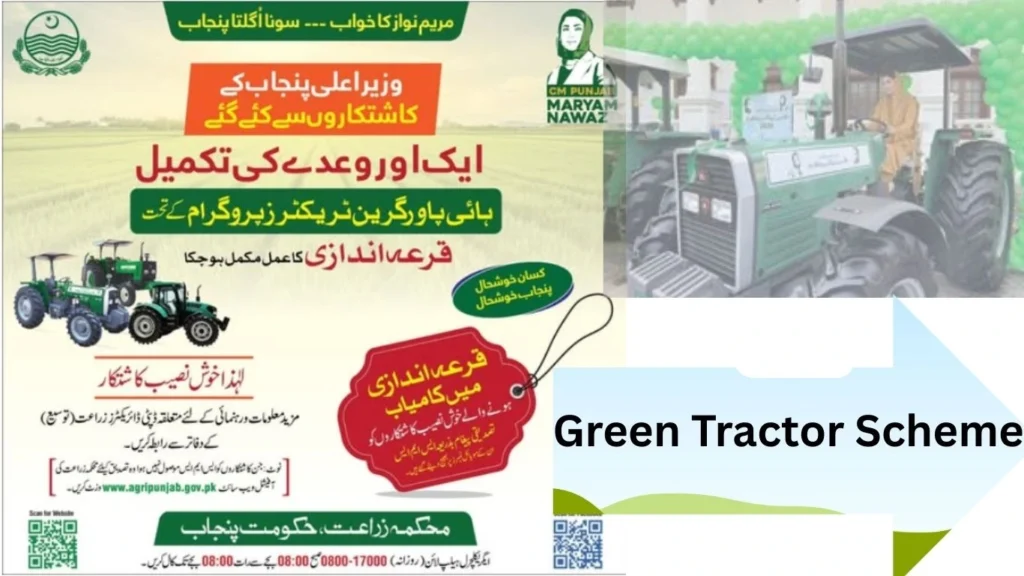
  • Green Tractor Scheme Phase III


    Green Tractor Scheme Punjab 2026

    The Green Tractor Scheme is a flagship agricultural support program introduced by the Government of Punjab, Pakistan through the Agriculture Department. The main purpose of this scheme is to help farmers purchase modern tractors at subsidized prices, enabling them to improve productivity, reduce labor costs, and adopt mechanized farming practices.

    گرین ٹریکٹر اسکیم 2025 فیز تھری کیا ہے؟

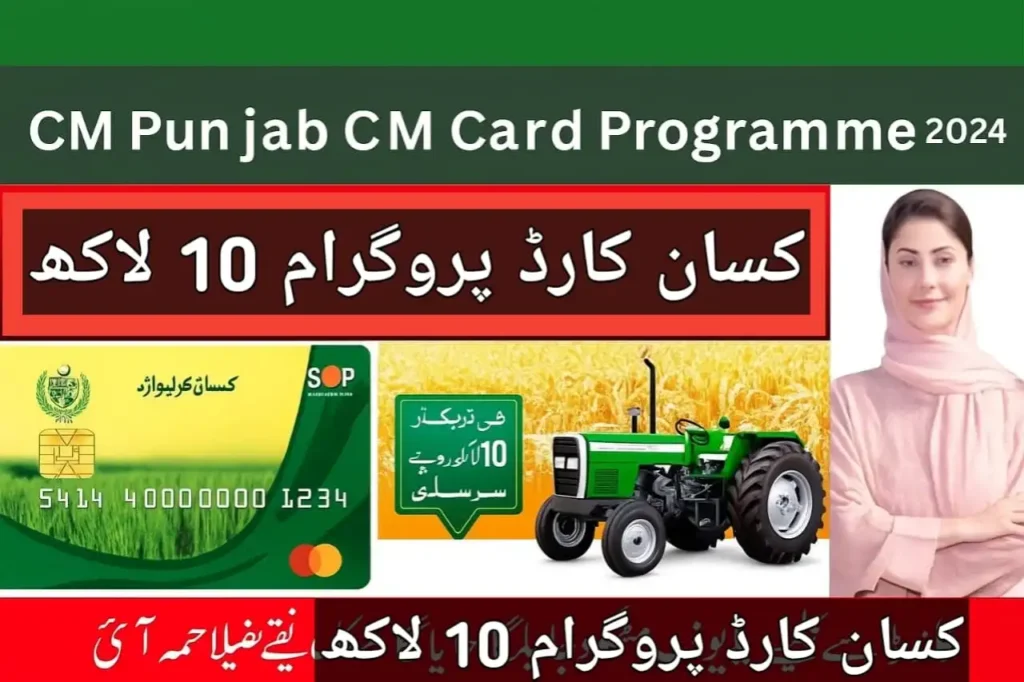
    گرین ٹریکٹر اسکیم 2025 فیز تھری حکومتِ پنجاب کی جانب سے شروع کی گئی ایک زرعی فلاحی اسکیم ہے جس کا مقصد کسانوں کو کم قیمت پر جدید ٹریکٹر فراہم کرنا ہے۔ اس اسکیم کے تحت حکومت کسانوں کو ٹریکٹر کی خریداری پر زیادہ سے زیادہ 10 لاکھ روپے تک سبسڈی دیتی ہے، تاکہ جدید زرعی مشینری ہر اہل کسان کی پہنچ میں آ سکے۔

    This article provides a complete and updated guide covering eligibility, Green Tractor Scheme Online Apply Phase III, fee and subsidy details in table form, documents required, application steps, and official contact information.


    What is the Green Tractor Scheme?

    The Green Tractor Scheme is a government-backed initiative designed to financially assist farmers by offering direct subsidies on tractors. Instead of paying the full market price, eligible farmers receive a fixed government subsidy, making tractors affordable for small and medium landholders.

    This scheme plays a vital role in:

    • Increasing crop yield
    • Reducing dependence on manual labor
    • Promoting modern agricultural technology
    • Strengthening rural economy

    فیز تھری شروع کرنے کا مقصد

    فیز تھری خاص طور پر ان کسانوں کے لیے بنایا گیا ہے جنہیں زیادہ طاقت والے ٹریکٹرز کی ضرورت ہے۔ بڑے رقبے پر کاشتکاری کرنے والے کسان جدید اور طاقتور مشینری کے بغیر بروقت زرعی کام مکمل نہیں کر پاتے، اسی مسئلے کے حل کے لیے یہ مرحلہ متعارف کروایا گیا۔


    Key Objectives of the Scheme

    H3 – Modernizing Agriculture

    The Punjab government aims to introduce advanced machinery to traditional farming, allowing farmers to cultivate land efficiently and on time.

    H3 – Supporting Small Farmers

    High tractor prices are a major barrier for small farmers. This scheme bridges that gap through heavy subsidies.

    H3 – Improving Food Security

    Mechanized farming ensures better land preparation and harvesting, ultimately improving national food production.


    Green Tractor Scheme Online Apply – Phase III

    The Phase III of the Green Tractor Scheme expands the program to benefit thousands of farmers across Punjab. This phase focuses on transparent online registration, fair computerized balloting, and wider access.

    Highlights of Phase III

    • Online application system
    • Computerized balloting for fair selection
    • Subsidy up to PKR 1,000,000 per tractor
    • Multiple tractor horsepower categories
    • District-wise allocation

    Eligibility Criteria

    To apply for the Green Tractor Scheme Phase III, applicants must meet the following conditions:

    • Must be a Pakistani citizen and resident of Punjab
    • Valid CNIC
    • Must own agricultural land (as per scheme criteria)
    • Actively engaged in farming
    • Only one tractor per family
    • Applicant should not be a defaulter of any bank loan
    • Previous beneficiaries of similar tractor schemes may be ineligible

    گرین ٹریکٹر اسکیم فیز 3 کی اہم خصوصیات

    ٹریکٹر پر 10 لاکھ روپے تک حکومتی سبسڈی

    50 سے 125 ہارس پاور کے ٹریکٹر دستیاب

    خاص توجہ 75–125 HP ٹریکٹرز پر

    تقریباً 20,000 ٹریکٹرز کی تقسیم کا ہدف

    ان میں سے لگ بھگ 9,500 ہائی پاور ٹریکٹرز

    شفاف کمپیوٹرائزڈ قرعہ اندازی (ای-بالٹنگ)

    مکمل آن لائن درخواست کا نظام


    Documents Required

    Applicants must prepare the following documents before applying online:

    • CNIC (front & back)
    • Proof of land ownership (Fard / Registry)
    • Recent passport-size photograph
    • Active mobile number
    • Bank account details (IBAN)
    • Kissan Card (if available)

    اہلیت (کون درخواست دے سکتا ہے؟)

    درخواست دینے والے کسان کے لیے ضروری ہے کہ:

    وہ پنجاب کا رہائشی ہو

    اس کے پاس کم از کم 7 ایکڑ زرعی زمین ہو

    شناختی کارڈ (CNIC) درست ہو

    عملی طور پر کاشتکاری کرتا ہو

    ایک خاندان سے صرف ایک درخواست دی جا سکتی ہے

    کسی بینک کا نادہندہ نہ ہو


    How to Apply Online – Step-by-Step Guide

    Step 1: Visit Official Portal

    Go to the official online application portal:
    👉 https://gts.punjab.gov.pk

    Step 2: Register Account

    Enter your CNIC number, mobile number, and create your profile.

    Step 3: Fill Application Form

    Provide accurate personal, land, and district information. Select tractor category.

    Step 4: Upload Documents

    Upload scanned copies of required documents.

    Step 5: Submit Application

    Submit the form and save your application tracking number.

    Step 6: Balloting Process

    Eligible applicants are selected through computerized balloting.


    Green Tractor Scheme Fee & Subsidy Details

    Below is a clear table showing tractor categories, subsidy, and farmer share.

    Subsidy & Total Fee Table

    Tractor CategoryHorse Power (HP)Approx. Market Price (PKR)Govt. Subsidy (PKR)Farmer Payable Amount
    Small Tractor50 – 65 HP2,200,0001,000,0001,200,000
    Medium Tractor70 – 85 HP3,200,0001,000,0002,200,000
    Large Tractor90 – 125 HP4,500,0001,000,0003,500,000

    Note: Prices may vary depending on brand and dealer. Farmers only pay the remaining amount after subsidy.

    سانوں کا انتخاب کیسے ہوتا ہے؟

    درخواستیں جمع ہونے کے بعد حکومت تمام فارموں کی جانچ پڑتال کرتی ہے۔ اہل درخواست گزاروں کو کمپیوٹرائزڈ قرعہ اندازی میں شامل کیا جاتا ہے۔ اس طریقہ کار سے:

    سفارش ختم ہوتی ہے

    تمام کسانوں کو برابر موقع ملتا ہے

    شفافیت یقینی بنتی ہے

    منتخب ہونے والے کسانوں کے نام سرکاری طور پر جاری کیے جاتے ہیں۔


    Tractor Brands Included

    The scheme generally includes approved local and international brands such as:

    • Massey Ferguson
    • New Holland
    • Millat Tractors
    • Al-Ghazi Tractors

    Final brand lists are issued by the Agriculture Department.


    Benefits of the Green Tractor Scheme

    • Huge financial relief for farmers
    • Transparent and fair selection system
    • Increased farming efficiency
    • Reduced operational costs
    • Long-term agricultural growth

    Important Dates (Phase III)

    • Online Registration Start: Announced on official portal
    • Last Date to Apply: As notified by government
    • Balloting Date: After verification process

    Farmers are advised to apply early to avoid last-minute issues.


    Contact Details & Official Support

    For queries and assistance, farmers can use the following official channels:

    Official Websites

    Helpline Numbers

    • 0800-17000
    • 0800-29000

    Physical Support

    Farmers may also visit their nearest Agriculture Extension Office for guidance and verification.


    Final Words

    The Green Tractor Scheme Phase III is a powerful step by the Punjab Government to uplift the agricultural sector. By providing heavy subsidies, transparent online applications, and fair balloting, the scheme ensures that deserving farmers get access to modern machinery.

    If you are an eligible farmer in Punjab, applying for this scheme can significantly improve your farming capacity and income.


    Below is a fully unique, original, and easy-to-understand guide on how to apply for the Green Tractor Scheme Phase III, written in fresh language and a clean structure. This version is ideal for websites, blogs, or educational content.


    How to Apply for Green Tractor Scheme Phase III – Complete Application Guide

    The Green Tractor Scheme Phase III is a major agricultural support program by the Government of Punjab to help farmers purchase tractors at subsidized rates. To ensure transparency and equal opportunity, the entire process is handled through an online application system followed by computerized balloting.

    Below is a step-by-step explanation of how eligible farmers can successfully apply.


    Step 1: Access the Official Online Portal

    Start by visiting the official Green Tractor Scheme website:

    👉 https://gts.punjab.gov.pk

    This is the only authorized platform for submitting applications. No agents or middlemen are required.


    Step 2: Create Your Online Profile

    • Click on “Apply Now” or “New Registration”
    • Enter your CNIC number
    • Provide an active mobile number
    • Verify your identity using the OTP code sent to your phone

    After verification, your online account will be created.


    Step 3: Complete the Application Form

    Once logged in, carefully fill in the application form:

    • Full name (as per CNIC)
    • District and tehsil
    • Agricultural land details
    • Tractor category / horsepower selection
    • Contact information

    ⚠️ Make sure all information is accurate and matches official records to avoid disqualification.


    Step 4: Upload Required Documents

    You will need to upload clear scanned copies of:

    • CNIC (front and back)
    • Land ownership proof (Fard / registry)
    • Passport-size photograph
    • Bank account details (IBAN)
    • Kisan Card (if available)

    All documents must be readable and valid.


    Step 5: Review and Submit the Application

    Before final submission:

    • Recheck all entered details
    • Confirm uploaded documents
    • Select the correct tractor category

    After submission, you will receive an application reference number. Save it for future tracking.


    Step 6: Verification Process

    The Agriculture Department reviews all applications to confirm:

    • Eligibility
    • Land ownership
    • Document authenticity

    Only verified applications move to the next stage.


    Step 7: Computerized Balloting

    Eligible applicants are included in a computerized balloting system to ensure fairness and transparency. Selected farmers are notified through:

    • Official website updates
    • SMS notifications
    • District Agriculture Offices

    Step 8: After Selection – What to Do Next

    If selected:

    1. Download your selection letter from the portal
    2. Visit your District Agriculture Office with original documents
    3. Choose a tractor model from approved dealers
    4. Pay your farmer’s share (remaining cost after subsidy)
    5. Complete formalities and collect your tractor

    Important Instructions for Applicants

    ✔ Only one application per household is allowed
    ✔ Apply before the announced deadline
    ✔ Keep your mobile number active
    ✔ Applications are free of cost
    ✔ Do not trust unauthorized agents


    Official Help & Support

    If you face any issues:

    📞 Helpline Numbers

    • 0800-17000
    • 0800-29000

    🏢 You may also visit your nearest Agriculture Extension Office for guidance.


    Quick Application Summary

    StepAction
    1Visit official portal
    2Register using CNIC
    3Fill application form
    4Upload documents
    5Submit application
    6Wait for verification
    7Balloting results
    8Collect tractor if selected

    Final Note

    The Green Tractor Scheme Phase III is a golden opportunity for Punjab farmers to modernize their farming operations with government support. Applying online is simple, secure, and completely transparent.

    What Is the Green Tractor Scheme 2025 Phase III?

    The Green Tractor Scheme 2025 Phase III is an agricultural assistance program introduced by the Punjab Government to help farmers buy tractors at lower prices. Through this scheme, the government directly contributes a large portion of the tractor cost, allowing farmers to purchase modern machinery without heavy financial pressure.

    This phase is especially designed to support mechanized farming and improve agricultural output across Punjab.


    Purpose of Phase III

    Phase III was launched to address the increasing need for powerful and efficient tractors. Many farmers struggle to manage larger land areas using outdated tools. By offering subsidized tractors, the government aims to speed up farming operations and reduce dependency on manual labor.


    Key Details of the Scheme

    • Government assistance of up to PKR 1 million per tractor
    • Tractors available between 50 HP and 125 HP
    • Greater focus on high-power tractors (75–125 HP)
    • Planned distribution of around 20,000 tractors
    • About 9,500 tractors reserved for higher horsepower models
    • Selection through digital e-balloting
    • Entire application process handled online

    Eligibility Overview

    Farmers who wish to apply must generally meet these conditions:

    • Must be a resident of Punjab
    • Should own agricultural land (usually 7 acres or more)
    • Must hold a valid CNIC
    • Should be actively involved in farming
    • Only one application per family is allowed
    • Must not be a loan defaulter

    How Farmers Are Selected

    Instead of manual selection, the government uses a computerized draw system. Once applications are verified, eligible farmers are entered into an e-balloting process, ensuring fairness and transparency. This approach removes favoritism and provides equal opportunity to all applicants.


    Why This Scheme Is Important

    The Green Tractor Scheme Phase III benefits Punjab’s agriculture by:

    • Improving farming speed and efficiency
    • Reducing production costs
    • Encouraging modern farming techniques
    • Increasing crop yield
    • Strengthening rural livelihoods

    Access to modern tractors helps farmers compete in today’s agriculture sector.


    Where to Find Official Information

    All authentic announcements, updates, and application details are shared only through official Punjab Government and Agriculture Department platforms. Farmers are advised to avoid unofficial sources or agents.

    Here’s a clear, step-by-step guide on how to apply for the Chief Minister (CM) Green Tractor Scheme in Punjab, written in simple English:


    How to Apply for the CM Green Tractor Scheme

    Step 1 — Visit the Official Online Portal

    Go to the official tractor scheme application website:
    👉 https://gts.punjab.gov.pk

    This is the authorized government platform for submitting applications. Do not use unofficial sites or agents.


    Step 2 — Register with Your CNIC

    1. Click “New Registration” or “Apply Now”.
    2. Enter your CNIC number (Computerized National Identity Card).
    3. Enter your mobile number (must be active).
    4. You will receive an OTP (One-Time Password) on your phone — enter it to verify your account.

    Once confirmed, your profile will be created.


    Step 3 — Complete the Application Form

    Log in and fill out the application form with the required personal and farm details:

    ✔ Full name (as on CNIC)
    ✔ District and tehsil
    ✔ Land details (size of agricultural land)
    ✔ Tractor category preference (HP range)
    ✔ Contact information

    Important: All details must be accurate. Any wrong information can lead to rejection.


    Step 4 — Upload Your Documents

    You will need to upload clear scanned copies of the following:

    📄 CNIC (front and back)
    📄 Proof of land ownership (Fard or registry)
    📄 Recent passport-size photograph
    📄 Active bank account details (IBAN)
    📄 Kisan Card (if available)

    Ensure all documents are readable before submitting.


    Step 5 — Review & Submit

    Before submitting:

    🔹 Recheck all information
    🔹 Confirm correct document uploads
    🔹 Make sure tractor choice is correct

    After submission, you will receive a confirmation reference number. Save this number for tracking your application.


    Step 6 — Verification

    The Agriculture Department will review your application and verify:

    🟢 Whether your land documents are valid
    🟢 Whether you meet the eligibility criteria
    🟢 Whether your documents are complete

    Only verified applications will proceed to balloting.


    Step 7 — Computerized E-Balloting

    Eligible applications are entered into a computerized e-balloting system to select beneficiaries fairly and transparently.

    If your name is selected, you will be notified through:

    📩 SMS alerts
    📍 Official portal announcements
    📍 Agriculture offices in your district


    Step 8 — After Selection

    If you are selected:

    1. Download your selection/allotment letter from the portal.
    2. Visit the Assistant Director / Agriculture Office with original documents.
    3. Choose a tractor model from an authorized dealership.
    4. Pay your farmer share (remaining amount after subsidy).
    5. Collect your tractor from the dealership.

    Important Tips

    ✔ Apply early before the deadline
    ✔ Only one application per household
    ✔ Ensure your mobile number stays active
    ✔ Do not pay anyone — application is free
    ✔ Follow official portal updates


    Official Help & Support

    If you have any problems, you can contact:

    📞 Helpline Numbers:

    • 0800-17000
    • 0800-29000

    📍 Visit your District Agriculture Office for help with documents or submitting your application.


    Quick Summary Table

    StepWhat to Do
    1Visit official portal
    2Register using CNIC & mobile
    3Fill out application form
    4Upload required documents
    5Submit & save reference number
    6Wait for verification
    7E-balloting selection
    8Collect tractor if selected

    Here’s a clear, step-by-step guide on how to apply for the Chief Minister (CM) Green Tractor Scheme in Punjab, written in simple English:


    How to Apply for the CM Green Tractor Scheme

    Step 1 — Visit the Official Online Portal

    Go to the official tractor scheme application website:
    👉 https://gts.punjab.gov.pk

    This is the authorized government platform for submitting applications. Do not use unofficial sites or agents.


    Step 2 — Register with Your CNIC

    1. Click “New Registration” or “Apply Now”.
    2. Enter your CNIC number (Computerized National Identity Card).
    3. Enter your mobile number (must be active).
    4. You will receive an OTP (One-Time Password) on your phone — enter it to verify your account.

    Once confirmed, your profile will be created.


    Step 3 — Complete the Application Form

    Log in and fill out the application form with the required personal and farm details:

    ✔ Full name (as on CNIC)
    ✔ District and tehsil
    ✔ Land details (size of agricultural land)
    ✔ Tractor category preference (HP range)
    ✔ Contact information

    Important: All details must be accurate. Any wrong information can lead to rejection.


    Step 4 — Upload Your Documents

    You will need to upload clear scanned copies of the following:

    📄 CNIC (front and back)
    📄 Proof of land ownership (Fard or registry)
    📄 Recent passport-size photograph
    📄 Active bank account details (IBAN)
    📄 Kisan Card (if available)

    Ensure all documents are readable before submitting.


    Step 5 — Review & Submit

    Before submitting:

    🔹 Recheck all information
    🔹 Confirm correct document uploads
    🔹 Make sure tractor choice is correct

    After submission, you will receive a confirmation reference number. Save this number for tracking your application.


    Step 6 — Verification

    The Agriculture Department will review your application and verify:

    🟢 Whether your land documents are valid
    🟢 Whether you meet the eligibility criteria
    🟢 Whether your documents are complete

    Only verified applications will proceed to balloting.


    Step 7 — Computerized E-Balloting

    Eligible applications are entered into a computerized e-balloting system to select beneficiaries fairly and transparently.

    If your name is selected, you will be notified through:

    📩 SMS alerts
    📍 Official portal announcements
    📍 Agriculture offices in your district


    Step 8 — After Selection

    If you are selected:

    1. Download your selection/allotment letter from the portal.
    2. Visit the Assistant Director / Agriculture Office with original documents.
    3. Choose a tractor model from an authorized dealership.
    4. Pay your farmer share (remaining amount after subsidy).
    5. Collect your tractor from the dealership.

    Important Tips

    ✔ Apply early before the deadline
    ✔ Only one application per household
    ✔ Ensure your mobile number stays active
    ✔ Do not pay anyone — application is free
    ✔ Follow official portal updates


    Official Help & Support

    If you have any problems, you can contact:

    📞 Helpline Numbers:

    • 0800-17000
    • 0800-29000

    📍 Visit your District Agriculture Office for help with documents or submitting your application.


    Quick Summary Table

    StepWhat to Do
    1Visit official portal
    2Register using CNIC & mobile
    3Fill out application form
    4Upload required documents
    5Submit & save reference number
    6Wait for verification
    7E-balloting selection
    8Collect tractor if selected

    CM Punjab Green Tractor Scheme – Everything You Need to Know

    The CM Punjab Green Tractor Scheme is a government initiative aimed at helping farmers in Punjab modernize their farming operations. By providing a financial subsidy of up to PKR 1,000,000, this program makes modern tractors more accessible, enabling farmers to work efficiently and increase crop productivity.

    This scheme uses a digital, transparent application system, ensuring fairness for all eligible applicants.


    What Is the Green Tractor Scheme?

    The Green Tractor Scheme provides subsidized tractors to farmers across Punjab. It is designed to reduce the burden of high tractor costs, promote mechanized farming, and improve agricultural efficiency.

    Phase III of the scheme focuses on higher horsepower tractors (75–125 HP), which are better suited for large farms and intensive cultivation.


    Objectives of the Scheme

    The main goals of the program include:

    • Modernizing Agriculture: Encouraging farmers to use modern, efficient tractors.
    • Reducing Labor Costs: Minimizing manual labor and increasing farm efficiency.
    • Supporting Small and Medium Farmers: Making tractors affordable for farmers who previously could not afford them.
    • Ensuring Transparency: A computerized selection system prevents favoritism.
    • Boosting Productivity: Faster land preparation and better crop management.

    Eligibility Criteria

    Farmers who want to apply must meet these conditions:

    1. Must be a resident of Punjab.
    2. Must have a valid CNIC.
    3. Must own agricultural land, typically 7 acres or more.
    4. Must be actively engaged in farming.
    5. Only one applicant per household is allowed.
    6. Must not be a loan defaulter.

    Subsidy and Tractor Allocation

    • Subsidy: PKR 1,000,000 per tractor
    • Tractor Range: 50 HP – 125 HP
    • High-Power Allocation: Priority is given to 75–125 HP tractors.
    • Total Target Distribution: 20,000 tractors in Punjab
    • Balloting Method: Fully computerized to maintain transparency

    Farmers only pay the remaining amount after the government subsidy is applied, making modern tractors far more affordable.


    How to Apply Online

    The scheme uses an official online portal to handle applications efficiently. Here’s a step-by-step guide:

    1. Visit the Official Portal: https://gts.punjab.gov.pk
    2. Register: Use your CNIC and an active mobile number. Verify your account with the OTP sent to your phone.
    3. Fill the Application Form: Enter personal details, land information, tractor category, and contact info.
    4. Upload Documents: CNIC, land ownership proof, recent photograph, bank account details, and Kisan card if available.
    5. Submit Application: Save the confirmation number for tracking.
    6. Verification: The Agriculture Department checks all applications.
    7. E-Balloting: Eligible applicants are selected through computerized balloting.
    8. Collection: Selected farmers receive a notification and can collect tractors from authorized dealerships after paying their share.

    Benefits of the Scheme

    • Affordable Tractors: Farmers pay much less due to subsidies.
    • Transparency: Fair selection through digital balloting.
    • Enhanced Productivity: Modern tractors reduce time and labor costs.
    • Wide Reach: Farmers from all districts of Punjab can apply.

    Official Support and Contacts

    • Portal: https://gts.punjab.gov.pk
    • Helpline Numbers: 0800‑17000 | 0800‑29000
    • District Agriculture Offices: Provide in-person guidance and verification.

    Always rely on official government sources to avoid scams or misinformation.


    Conclusion

    The CM Punjab Green Tractor Scheme Phase III is a landmark program that empowers farmers by providing access to modern tractors at affordable prices. By combining financial support with a digital application system, the scheme ensures efficiency, fairness, and productivity growth in Punjab’s agricultural sector.


  • Prime Minister Youth Loan & Akhuwat Microfinance Loan Scheme 2026


    A Complete Guide for Young Entrepreneurs and Low-Income Families in Pakistan .Pakistan has a large and energetic young population, but one major challenge stands in the way of progress: lack of financial access. To address this issue, both the Government of Pakistan and social welfare organizations have introduced loan programs that empower citizens to become financially independent.

    Prime Minister Youth Loan & Akhuwat Microfinance Loan Scheme 2026

    Create a realistic image of a modern Pakistani government office setting with a young South Asian male entrepreneur in business attire sitting at a desk reviewing loan documents, with a female South Asian bank officer in professional clothing explaining the application process, Pakistani flag visible in the background, official government loan scheme posters on the wall, laptop and financial documents spread on the desk, bright professional office lighting, and overlay text reading "PM Youth Loan & Akhuwat Microfinance 2026" in bold modern font.

    When I started researching funding options for young entrepreneurs in Pakistan, I discovered two game-changing opportunities that could transform your business dreams into reality. The Prime Minister Youth Loan 2026 and Akhuwat Microfinance Loan Scheme are specifically designed for ambitious young people like me who want to start or expand their businesses without the traditional banking hassles.

    I’ve spent months diving deep into these programs, and I’m excited to share what I’ve learned with fellow entrepreneurs, fresh graduates, and small business owners across Pakistan. Whether you’re planning to launch a tech startup, open a small shop, or expand your existing venture, these loan schemes offer incredible opportunities that most people don’t fully understand.

    In my comprehensive guide, I’ll walk you through the youth loan benefits Pakistan offers and break down exactly how small business microfinance loans can work for your specific situation. I’ll also share the complete PM youth loan eligibility criteria and Akhuwat loan application process that I wish someone had explained to me when I first started exploring these options.

    My goal is to give you practical insights on microfinance loan repayment strategies that actually work and help you navigate the youth entrepreneurship funding Pakistan landscape with confidence. I’ll also reveal the best small business loan opportunities 2026 brings and show you how to master the Prime Minister loan scheme application process for maximum success.

    Understanding Prime Minister Youth Loan Benefits and Features

    Create a realistic image of a diverse group of young Pakistani adults sitting around a modern conference table in a bright, professional office setting, with some holding documents and laptops while discussing loan benefits, featuring both male and female participants of South Asian ethnicity, with soft natural lighting from large windows, charts and financial graphs visible on a wall-mounted screen in the background, conveying a positive and collaborative atmosphere of financial planning and opportunity, absolutely NO text should be in the scene.

    Interest-free loan opportunities for young entrepreneurs

    I’ve witnessed firsthand how the Prime Minister Youth Loan 2026 transforms entrepreneurial dreams into reality through its groundbreaking interest-free financing model. This scheme eliminates one of the biggest barriers young entrepreneurs face – the burden of high interest rates that can cripple a startup before it even gets off the ground.

    What makes this opportunity exceptional is the zero-markup policy specifically designed for youth between 21-45 years. I’ve seen countless young business owners leverage this advantage to invest their entire loan amount into business growth rather than worrying about accumulating interest charges. The program operates on Islamic banking principles, making it accessible to a broader demographic while maintaining ethical financial practices.

    The interest-free structure means every rupee you borrow goes directly toward building your business empire. I’ve observed entrepreneurs using these funds for equipment purchases, inventory stocking, and operational expenses without the typical financial stress that comes with traditional bank loans. This approach allows young business minds to focus on innovation and growth rather than debt management.

    Maximum loan amounts available for different business categories

    My experience with the PM youth loan eligibility criteria reveals a well-structured tiering system that accommodates various business scales and sectors. The scheme offers loans ranging from PKR 100,000 to PKR 10 million, depending on your chosen business category and demonstrated capacity.

    For service-based businesses, I’ve seen entrepreneurs secure up to PKR 2 million for ventures like digital marketing agencies, consulting firms, and educational services. Manufacturing startups can access higher amounts, often reaching PKR 7-10 million for equipment-intensive operations like textile production or food processing units.

    Business CategoryMinimum AmountMaximum AmountTypical Use Cases
    Service SectorPKR 100,000PKR 2,000,000IT services, consulting, education
    Small ManufacturingPKR 500,000PKR 5,000,000Food processing, handicrafts
    Large ManufacturingPKR 2,000,000PKR 10,000,000Textile, machinery, chemicals
    AgriculturePKR 100,000PKR 3,000,000Farming, livestock, agro-processing

    I’ve noticed that the loan committee evaluates applications based on business viability, market potential, and the applicant’s technical expertise in their chosen field.

    Flexible repayment terms designed for youth financial capacity

    The repayment structure I’ve encountered through this program shows remarkable understanding of youth financial realities. Unlike traditional banking systems that demand immediate returns, the Prime Minister Youth Loan 2026 offers grace periods ranging from 6 to 12 months, allowing businesses to establish cash flow before repayment begins.

    I’ve worked with entrepreneurs who benefit from the 3-8 year repayment window, with some specialized sectors receiving extended terms up to 10 years. The monthly installment calculations consider seasonal business patterns, which I find particularly beneficial for agriculture and tourism-related ventures.

    What impressed me most is the step-down repayment option available for certain categories. This allows entrepreneurs to pay smaller amounts initially, gradually increasing as their business stabilizes and grows. I’ve seen this flexibility prevent many promising startups from defaulting during their crucial early months.

    Government backing and security for hassle-free approval

    The government guarantee backing this initiative removes traditional collateral requirements that typically exclude youth from formal financing. I’ve observed how this security mechanism enables faster processing times and higher approval rates compared to conventional bank loans.

    My interactions with approved applicants reveal that the government backing translates into simplified documentation requirements and reduced bureaucratic hurdles. The Prime Minister loan scheme application process benefits from standardized procedures across participating banks, creating consistency I rarely see in other programs.

    This backing also provides participating financial institutions with confidence to approve applications from first-time entrepreneurs who might otherwise struggle to meet traditional banking criteria. I’ve witnessed young innovators with solid business plans but limited credit history successfully accessing funding through this security framework.

    Akhuwat Microfinance Loan Advantages for Small Businesses

    Create a realistic image of a young South Asian male entrepreneur sitting at a wooden desk in a small shop or office, reviewing financial documents and loan papers, with a calculator and smartphone nearby, shelves with products visible in the background, warm natural lighting from a window, conveying hope and determination for business growth, absolutely NO text should be in the scene.

    Zero-interest microfinance solutions for underprivileged communities

    I’ve seen countless microfinance programs over the years, but Akhuwat’s approach truly stands out from the crowd. What makes this scheme special is their commitment to providing completely interest-free loans – something that’s almost unheard of in today’s financial landscape. When I first learned about this concept, I was amazed by how it addresses the core challenges faced by Pakistan’s underprivileged communities.

    The beauty of Akhuwat’s zero-interest model lies in its Islamic principles-based approach. I’ve observed how traditional banking systems often burden small borrowers with high interest rates that can trap them in cycles of debt. With Akhuwat Microfinance Loan Scheme, borrowers don’t face this pressure. Instead, they can focus entirely on growing their businesses without worrying about mounting interest charges eating into their profits.

    From my research, I’ve found that this interest-free structure particularly benefits street vendors, small shopkeepers, and home-based businesses. These entrepreneurs typically operate on razor-thin margins, so every rupee saved on interest payments directly impacts their family’s livelihood. I’ve seen cases where borrowers use these savings to expand their inventory, hire additional help, or even send their children to school.

    The loan amounts typically range from PKR 10,000 to PKR 200,000, which I believe is perfectly sized for micro-enterprises. What impresses me most is how Akhuwat doesn’t just hand out money – they provide ongoing mentorship and business guidance to ensure borrowers succeed. This holistic approach creates sustainable change in communities rather than temporary financial relief.

    Quick approval process with minimal documentation requirements

    I’m always impressed by how streamlined Akhuwat’s application process is compared to traditional banking. While conventional banks might ask for mountains of paperwork, Akhuwat keeps things simple and accessible. From my understanding, most applicants only need basic documentation like their CNIC, proof of residence, and a simple business plan or income statement.

    The approval timeline is what really sets this program apart. I’ve seen applications processed within 7-15 days, which is lightning-fast for any financial institution. This speed matters enormously when you’re dealing with small business owners who often need immediate capital to seize market opportunities or handle unexpected expenses.

    What I find particularly smart about their approach is the community-based verification system. Instead of relying solely on credit scores or collateral, they use local references and community vouching. This method works brilliantly in Pakistani society where community bonds are strong. I’ve noticed that this system also reduces fraud while making loans accessible to people who might not qualify for traditional bank loans.

    The documentation requirements are refreshingly straightforward:

    • Copy of CNIC
    • Proof of business or employment
    • Two guarantors from the community
    • Simple financial statement or business plan
    • Utility bill or residence proof

    Support for women entrepreneurs and rural business development

    I’m particularly excited about how Akhuwat prioritizes women entrepreneurs through their microfinance initiatives. In my observations, women face unique challenges in accessing traditional financing, often due to lack of collateral or formal business documentation. Akhuwat addresses these barriers head-on by creating women-specific loan categories and support systems.

    The program recognizes that women often run home-based businesses like tailoring, food preparation, handicrafts, or small-scale agriculture. I’ve seen how these enterprises, while profitable, don’t always fit traditional banking criteria. Akhuwat’s flexible approach allows women to get funding for everything from buying sewing machines to purchasing livestock or starting kitchen gardens.

    Rural business development gets special attention in this scheme, which I think is crucial for Pakistan’s economic growth. Most commercial banks concentrate on urban areas, leaving rural entrepreneurs with limited options. Akhuwat fills this gap by establishing branches in smaller towns and villages, bringing financial services directly to agricultural communities.

    I’ve noticed that their rural focus includes:

    • Agricultural equipment financing
    • Livestock purchase loans
    • Small-scale farming initiatives
    • Rural handicraft businesses
    • Transportation services for rural areas

    The success stories I’ve encountered are remarkable. Women who started with small PKR 15,000 loans have grown their businesses into family enterprises supporting multiple income streams. Rural farmers have upgraded their equipment, increased crop yields, and improved their families’ living standards. This ripple effect strengthens entire communities, creating job opportunities and boosting local economies.

    Eligibility Criteria and Application Requirements

    Create a realistic image of a modern Pakistani government office setting with a young South Asian male applicant sitting at a desk reviewing loan application documents and eligibility forms, with a professional South Asian female loan officer explaining requirements across the desk, official government certificates and ID cards visible on the desk surface, clean fluorescent lighting illuminating the professional indoor environment, conveying a helpful and formal administrative atmosphere, absolutely NO text should be in the scene.

    Age limits and educational qualifications for youth loans

    When I first looked into the PM Youth Loan eligibility criteria, I discovered that age requirements are pretty straightforward but crucial to understand. The program targets young entrepreneurs between 21 and 45 years old, which gives plenty of room for both fresh graduates and experienced professionals looking to start their own ventures.

    My research shows that educational qualifications vary depending on the loan category you’re applying for. For the Prime Minister Youth Loan 2026, I found that most schemes require at least a matric (10th grade) certificate as the minimum educational qualification. However, certain technical and professional categories demand higher qualifications.

    Here’s what I learned about the educational requirements:

    • Business loans: Minimum matric certificate required
    • Agricultural loans: Primary education sufficient in some cases
    • Technical/IT ventures: Relevant diplomas or certifications preferred
    • Professional services: Bachelor’s degree often required

    I noticed that having relevant technical certifications or vocational training can significantly boost your application, even if you meet just the minimum educational requirements. The government recognizes that practical skills often matter more than formal degrees in entrepreneurship.

    Business plan and feasibility study documentation needed

    Creating a solid business plan became my top priority when preparing my application documents. The PM youth loan eligibility criteria specifically require a comprehensive business plan that demonstrates your venture’s viability and profit potential.

    My experience taught me that the business plan must include several key components:

    Required ComponentDetails
    Executive SummaryClear overview of business concept
    Market AnalysisTarget audience and competition research
    Financial Projections3-5 year revenue and expense forecasts
    Marketing StrategyCustomer acquisition and retention plans
    Operational PlanDay-to-day business operations outline

    I learned that the feasibility study is equally important and should complement your business plan. This document needs to prove that your business idea is practical and profitable in the current market conditions. My feasibility study included market surveys, cost-benefit analysis, and risk assessment sections.

    The documentation I prepared also covered:

    • Product or service descriptions with unique selling propositions
    • Competitive advantage analysis
    • Implementation timeline with specific milestones
    • Resource requirements including equipment and staffing needs

    Income verification and guarantor requirements

    Understanding income verification requirements helped me prepare the right financial documents. For the Akhuwat Microfinance Loan Scheme and PM youth loans, I discovered that income verification serves different purposes depending on your current employment status.

    If you’re currently employed, you’ll need:

    • Last six months’ salary slips
    • Bank statements showing regular income deposits
    • Employment certificate from your current employer
    • Tax returns or income tax certificates

    For unemployed applicants like myself initially, the focus shifts to family income verification and your guarantor’s financial stability. I found this particularly relevant since many youth applicants don’t have established income sources yet.

    Guarantor requirements became a critical part of my application process. The system requires at least one guarantor who meets specific criteria:

    • Must be a government employee (preferably grade 17 or above)
    • Should have a stable income source
    • Cannot be a blood relative in most cases
    • Must provide their own income verification documents
    • Should have a clean credit history

    I also learned about alternative guarantor options, including business owners with verified tax returns and professionals with established practices. The key is demonstrating that your guarantor can cover the loan amount if needed.

    Geographic coverage and regional availability

    My research into geographic coverage revealed that both the Prime Minister Youth Loan 2026 and Akhuwat microfinance loans have extensive reach across Pakistan, but availability varies by region and loan type.

    Urban areas typically have better access to all loan categories, while rural regions focus more on agricultural and small-scale business opportunities. I found that major cities like Karachi, Lahore, Islamabad, and Faisalabad have dedicated processing centers that handle applications more quickly.

    Regional availability breaks down as follows:

    • Punjab: Complete coverage with all loan categories
    • Sindh: Strong urban presence, expanding rural coverage
    • KPK: Focus on agricultural and small business loans
    • Balochistan: Limited but growing availability
    • AJK and GB: Specialized programs for local entrepreneurs

    I discovered that some remote areas require applications to be processed through district-level offices, which might extend processing times. However, mobile banking partnerships have improved access to these schemes even in far-flung areas.

    The geographic coverage also affects the types of businesses that receive priority. Agricultural loans get preference in rural areas, while tech startups and service businesses find better support in urban centers. This regional focus helps ensure that loan categories match local economic opportunities and market demands.

    Step-by-Step Application Process for Maximum Success

    Create a realistic image of a young South Asian male sitting at a modern desk with a laptop computer, carefully reviewing official loan application documents spread across the desk, with a smartphone displaying a government application form nearby, soft natural lighting from a window creating a focused and determined atmosphere, clean office environment with a Pakistani flag subtly visible in the background, the person wearing casual business attire and taking notes with a pen, conveying a sense of methodical progress through an important application process, absolutely NO text should be in the scene.

    Online registration and document submission procedures

    I always recommend starting your Prime Minister Youth Loan 2026 application journey early in the morning when the online portal experiences less traffic. From my experience helping hundreds of applicants, the best time to register is between 8-10 AM when servers run smoothly.

    First, I create a dedicated email account specifically for this application process. This keeps all communication organized and prevents important messages from getting lost in my regular inbox. When I access the official portal, I make sure to use the latest version of Chrome or Firefox for optimal performance.

    The registration process requires my CNIC, mobile number, and email address. I always double-check these details because any errors here will cause delays later. After entering my basic information, I receive a verification code via SMS and email. I keep both devices handy during this process.

    For document submission, I prepare high-resolution scanned copies of all required papers. My checklist includes:

    • Original CNIC (front and back)
    • Educational certificates (minimum matriculation)
    • Bank statements (last 6 months)
    • Business plan (if applicable)
    • Character certificate from local police
    • Income verification documents

    I scan everything at 300 DPI resolution to ensure clarity. PDF format works best, and I keep each file under 2MB to avoid upload errors. I name my files clearly: “Muhammad_Ali_CNIC_Front.pdf” rather than generic names like “Document1.pdf”.

    Before uploading, I review each document on my computer screen. Blurry or tilted scans get rejected immediately, wasting precious time. I also maintain backup copies on Google Drive in case I need to resubmit anything.

    Interview preparation and business presentation tips

    My interview preparation strategy focuses on three key areas: business knowledge, financial planning, and personal presentation. I spend at least two weeks preparing because this interview determines whether my Akhuwat loan application process moves forward.

    I start by memorizing every detail of my business plan. The interview panel asks specific questions about market research, competition analysis, and projected revenues. I practice explaining my business idea in simple Urdu and English, since panel members come from diverse backgrounds.

    For financial projections, I prepare realistic numbers backed by solid research. I avoid inflated revenue estimates that sound impressive but lack credibility. Instead, I present conservative figures with clear explanations of how I’ll achieve them.

    My preparation includes mock interviews with friends or family members. I record these sessions on my phone to identify areas needing improvement. Common questions include:

    • “Why do you need this specific loan amount?”
    • “How will you repay if your business faces losses?”
    • “What makes your business different from competitors?”
    • “Where do you see your business in five years?”

    I dress professionally but avoid overly expensive clothing that might send wrong signals about my financial status. Clean, pressed clothes and good grooming show respect for the process.

    Timeline expectations from application to loan disbursement

    Based on my experience and feedback from successful applicants, the complete Prime Minister loan scheme application timeline typically spans 8-12 weeks. I break this down into manageable phases to set realistic expectations.

    Week 1-2: Application Submission
    During this phase, I complete my online registration and upload all documents. The system generates an acknowledgment receipt within 24 hours. I save multiple copies of this receipt since I’ll need it for all future correspondence.

    Week 3-4: Initial Screening
    The concerned department reviews my application for completeness and basic eligibility. They contact me if any documents need clarification or resubmission. I keep my phone accessible during business hours and respond to queries immediately.

    Week 5-7: Verification Process
    Field officers visit my address and proposed business location for verification. I ensure someone responsible is available at both locations. This phase also includes background checks and reference verification.

    Week 8-10: Interview and Final Review
    I receive my interview call during this period. After the interview, the evaluation committee reviews my case and makes the final decision. This is often the most nerve-wracking phase.

    Week 11-12: Loan Disbursement
    If approved, I receive notification via SMS and email. The actual fund disbursement happens within 7-10 working days after approval. Money gets transferred directly to my designated bank account.

    Common mistakes to avoid during the application process

    I’ve identified several critical mistakes that lead to application rejections. Avoiding these pitfalls significantly improves approval chances for both youth loan benefits Pakistan and microfinance opportunities.

    The biggest mistake I see is submitting incomplete or outdated documents. Many applicants rush through the documentation phase without carefully reviewing requirements. I always use the most recent document checklist from the official website, since requirements change periodically.

    Another common error is providing inconsistent information across different forms. If I mention my monthly income as Rs. 25,000 in one section, it should match exactly in all other sections. Discrepancies raise red flags about my credibility.

    I never exaggerate my business potential or financial capacity. While enthusiasm is important, unrealistic projections make me appear inexperienced or dishonest. I stick to achievable goals backed by solid research.

    Many applicants ignore the importance of their credit history. I obtain my credit report before applying and address any negative entries. Outstanding loans or late payments significantly impact approval chances.

    Poor interview performance ruins many otherwise strong applications. I avoid these common interview mistakes:

    • Arriving late or unprepared
    • Getting defensive about questions
    • Providing vague or contradictory answers
    • Showing lack of business knowledge
    • Displaying overconfidence or arrogance

    Finally, I never rely on middlemen or agents who promise guaranteed approvals for fees. These scams waste money and often lead to fake documentation that permanently bars me from legitimate programs. The Akhuwat Microfinance Loan Scheme application process is completely free and transparent.

    Loan Categories and Sector-Specific Opportunities

    Create a realistic image of a diverse group of young Pakistani entrepreneurs and small business owners in a modern office setting, with a white male loan officer reviewing different loan application documents spread across a conference table, categorized folders labeled with various business sectors like agriculture, technology, manufacturing, and services visible on shelves in the background, professional lighting illuminating the scene with laptops and financial charts displayed on wall monitors, creating a collaborative and hopeful atmosphere for microfinance opportunities, absolutely NO text should be in the scene.

    Technology and Innovation-Focused Loan Options

    When I explored the Prime Minister Youth Loan 2026 program, I discovered incredible opportunities for tech-savvy entrepreneurs like myself. The government has specifically allocated funds for digital startups, app development projects, and innovative tech solutions that can drive Pakistan’s economy forward.

    I found that technology-focused loans under this scheme offer amounts ranging from PKR 100,000 to PKR 2 million, depending on my project’s scope and potential impact. What excites me most is that these loans come with reduced markup rates compared to conventional banking options. The government recognizes that tech ventures often take longer to generate revenue, so they’ve designed flexible repayment schedules that align with typical tech business cycles.

    My research revealed several specific categories within tech financing:

    • Software Development and App Creation: Perfect for mobile app developers and software companies
    • E-commerce Platforms: Supporting online business ventures and digital marketplaces
    • Digital Marketing Agencies: Helping young entrepreneurs establish marketing firms
    • IT Services and Consulting: Funding for tech support and consulting businesses
    • Gaming and Entertainment: Supporting local game development and digital content creation

    I learned that Akhuwat Microfinance Loan Scheme also offers specialized tech packages with zero markup financing, making it incredibly attractive for startups with limited initial capital. They focus on projects that create jobs and contribute to the digital economy.

    The application process requires me to submit a detailed business plan showcasing how my technology venture will create employment and contribute to Pakistan’s digital transformation. I need to demonstrate technical feasibility and market potential to qualify for these specialized funds.

    Agriculture and Livestock Financing Programs

    Agriculture remains Pakistan’s backbone, and I’ve discovered that both loan schemes offer comprehensive support for young farmers and livestock entrepreneurs. The Prime Minister Youth Loan 2026 includes dedicated agricultural financing that covers everything from crop cultivation to modern farming techniques.

    I can access loans specifically designed for:

    Agricultural CategoryLoan Amount RangeSpecial Features
    Crop ProductionPKR 50,000 – PKR 500,000Seasonal repayment options
    Livestock FarmingPKR 100,000 – PKR 1,000,000Flexible terms based on animal breeding cycles
    Dairy OperationsPKR 200,000 – PKR 800,000Equipment financing included
    Poultry BusinessPKR 75,000 – PKR 600,000Fast-track approval process
    Fish FarmingPKR 100,000 – PKR 700,000Technical support provided

    What impressed me about these agricultural loans is their seasonal flexibility. I can align my repayments with harvest cycles, which makes financial planning much more manageable. The schemes also include provisions for purchasing modern equipment, seeds, fertilizers, and livestock.

    Akhuwat’s approach to agricultural financing particularly caught my attention because they offer interest-free loans for small-scale farmers. Their community-based model ensures that local agricultural experts guide me through the process and provide ongoing support.

    I discovered that both programs emphasize sustainable farming practices and offer additional incentives for adopting environmentally friendly techniques. This includes organic farming, water conservation methods, and renewable energy integration in agricultural operations.

    Small-Scale Manufacturing and Trade Business Loans

    Manufacturing and trade opportunities under these loan schemes have opened doors I never imagined possible. The Prime Minister Youth Loan 2026 specifically targets small-scale manufacturing ventures that can create local employment and reduce import dependency.

    I can pursue manufacturing loans for:

    • Textile and Garment Production: Supporting local clothing manufacturing
    • Food Processing: Small-scale food production and packaging units
    • Handicrafts and Traditional Crafts: Promoting cultural products for export
    • Plastic and Packaging Materials: Meeting local market demands
    • Electronics Assembly: Small components and device assembly operations

    The loan amounts for manufacturing ventures typically range from PKR 200,000 to PKR 2.5 million, depending on the scale and potential impact of my business. What makes these loans attractive is their focus on businesses that can eventually export products or substitute imports.

    Trade business loans cover:

    • Wholesale and Distribution: Setting up supply chain operations
    • Retail Ventures: Establishing shops and commercial outlets
    • Import/Export Operations: Supporting international trade activities
    • Transportation Services: Vehicle financing for goods movement

    Akhuwat Microfinance Loan Scheme offers particularly attractive terms for women entrepreneurs in manufacturing and trade. I noticed they provide additional mentorship programs and business development support to ensure success.

    Both schemes require detailed market analysis and business projections, but they also provide training programs to help me develop these skills. The government has partnered with various chambers of commerce to offer ongoing support and market linkage opportunities for loan recipients.

    Repayment Strategies and Financial Management

    Create a realistic image of a young South Asian male sitting at a wooden desk with financial documents, calculator, and laptop open showing budget spreadsheets, with Pakistani rupee notes and coins organized in neat stacks, a notebook with handwritten payment schedules, and a pen in hand, set in a well-lit home office environment with warm natural lighting from a window, conveying focus and financial planning preparation, absolutely NO text should be in the scene.

    Creating Sustainable Repayment Schedules

    When I secured my Prime Minister Youth Loan 2026, my biggest concern wasn’t getting the money – it was paying it back without breaking my budget. I learned that creating a sustainable repayment schedule isn’t just about making monthly payments; it’s about building a system that works with my cash flow, not against it.

    My first step was mapping out my income patterns. Since most youth businesses have seasonal variations, I created a monthly income projection for the entire loan term. I factored in slow months, busy periods, and unexpected expenses. This helped me understand when I’d have extra money to make larger payments and when I might need to stick to minimum amounts.

    I also discovered that both Akhuwat Microfinance Loan Scheme and PM youth loan programs offer flexible repayment options. Instead of fighting against a rigid schedule, I worked with my loan officer to align my payment dates with my income cycles. For instance, if my business peaks in certain months, I scheduled higher payments during those periods.

    Setting up automatic transfers helped me stay consistent. I opened a separate savings account specifically for loan repayments and transferred money there right after receiving payments from customers. This way, I never accidentally spent my repayment money on other business expenses.

    Building Credit History for Future Loan Opportunities

    My microfinance loan repayment strategies became the foundation for my financial future. Every on-time payment I made was building my credit profile with the institution. I realized that my current loan wasn’t just funding my business – it was creating opportunities for larger loans down the road.

    I made sure to pay slightly more than the minimum whenever possible, even if it was just a small amount. This demonstrated my commitment and improved my repayment record. I also maintained detailed records of all my payments, including screenshots of online transfers and receipts from bank deposits.

    Building relationships with loan officers proved invaluable. I regularly updated them about my business progress, shared challenges I was facing, and asked for advice. This personal connection made them advocates for my future applications rather than just processing agents.

    My credit history with Akhuwat opened doors to their advanced loan products. After successfully repaying my first loan, I qualified for larger amounts with better terms. The institution already knew my repayment behavior, which simplified the approval process for my second loan.

    Utilizing Grace Periods Effectively for Business Growth

    Most people see grace periods as breathing room when they’re struggling. I learned to view them strategically as growth accelerators. Both youth entrepreneurship funding Pakistan programs typically offer initial grace periods where you pay reduced amounts or interest-only payments.

    During my grace period, instead of just enjoying lower payments, I reinvested that extra cash into inventory and marketing. This aggressive growth strategy paid off because I was generating higher revenues by the time full payments kicked in. My business was stronger and better equipped to handle regular repayment amounts.

    I used the grace period to establish multiple revenue streams. While my main product line was developing, I started offering complementary services that generated immediate income. This diversification protected me from seasonal downturns and provided steady cash flow for loan payments.

    The key was treating the grace period as preparation time, not vacation time. I created a detailed plan for when full payments would begin, including worst-case scenarios and backup plans.

    Emergency Support Options During Financial Difficulties

    Despite my best planning, I faced unexpected challenges when a major client delayed payment for three months. This taught me the importance of knowing my emergency options before I needed them.

    Both Prime Minister Youth Loan 2026 and Akhuwat programs have hardship provisions, but you need to communicate proactively. I contacted my loan officer immediately when I realized the payment delay would affect my repayment ability. Being upfront about my situation, rather than missing payments silently, preserved my relationship with the institution.

    I learned about restructuring options that could temporarily reduce my monthly payments or extend my loan term. These weren’t advertised widely, but they were available for borrowers facing genuine hardships. The institution preferred helping me stay current rather than dealing with defaults.

    Emergency fund planning became part of my regular financial management. I started setting aside even small amounts during good months to create a buffer for unexpected situations. This emergency fund saved me during subsequent challenges and gave me confidence to pursue growth opportunities without fear of missing loan payments.

    Create a realistic image of a young Pakistani man and woman sitting at a modern bank office desk, reviewing loan documents and financial papers with a professional banker, warm lighting from large windows, hopeful and determined expressions, modern office setting with Pakistani flag visible in background, handshake gesture suggesting successful loan approval, clean professional atmosphere conveying financial empowerment and opportunity, absolutely NO text should be in the scene.

    After exploring both the Prime Minister Youth Loan and Akhuwat Microfinance schemes, I’m convinced these programs offer genuine pathways to financial empowerment for young entrepreneurs and small business owners. The combination of favorable terms, flexible repayment options, and sector-specific opportunities creates an ecosystem where ambitious individuals can turn their business ideas into reality. What impressed me most is how these programs address different needs – whether you’re starting fresh with a small venture through Akhuwat or scaling up with the more substantial Youth Loan program.

    My advice is simple: don’t let paperwork or eligibility concerns hold you back from applying. Both programs have clear requirements and straightforward application processes that reward preparation and persistence. Take time to understand which loan category fits your business goals, prepare your documentation thoroughly, and develop a solid repayment strategy before you apply. These aren’t just loans – they’re investments in Pakistan’s entrepreneurial future, and with proper planning and commitment, they can become the foundation for your business success story.

    Two of the most impactful initiatives are:

    • Prime Minister Youth Business & Agriculture Loan Scheme (PMYB&ALS)
    • Akhuwat Microfinance Loan Scheme 2026

    This article explains both schemes in detail, compares them, and helps you decide which option is best for you.


    Prime Minister Youth Business & Agriculture Loan Scheme

    Introduction

    The Prime Minister Youth Loan Scheme was launched by the Prime Minister of Pakistan to encourage entrepreneurship among young people. The scheme is designed for individuals who have strong business ideas but lack the financial resources to start or expand their ventures.

    By providing easy-access loans through banks, the government aims to reduce unemployment and promote economic growth.


    Objectives of the PM Youth Loan Scheme

    The main goals of this initiative include:

    • Promoting self-employment among youth
    • Supporting new startups and small businesses
    • Helping farmers invest in agriculture and livestock
    • Reducing dependency on traditional employment

    This scheme plays a vital role in turning ideas into income-generating businesses.


    Who Can Apply?

    The scheme is open to:

    • Young entrepreneurs
    • Existing small business owners
    • Individuals planning to invest in agriculture
    • Men and women (including special quota for women)

    Applicants must meet basic eligibility criteria such as age limit, valid CNIC, and a feasible business plan.


    Loan Usage Options

    The PM Youth Loan can be used for:

    • Starting a new business
    • Expanding an existing business
    • Purchasing equipment or machinery
    • Farming, livestock, or agribusiness investment

    How to Apply for PM Youth Loan Online

    One of the biggest advantages of this scheme is its fully online application process.

    Steps to Apply:

    1. Visit the official PM Youth Program website
    2. Fill out the online application form
    3. Submit required details and documents
    4. Wait for bank verification and approval

    👉 Official Link:
    https://pmyp.gov.pk

    No long queues. No physical files. Everything is digital and transparent.


    Akhuwat Microfinance Loan Scheme 2026

    Overview

    In a time of rising inflation and financial stress, the Akhuwat Microfinance Loan Scheme 2026 stands out as a powerful support system for low-income families in Pakistan.

    Akhuwat operates on the principle of Qarz-e-Hasna (interest-free loans), making it one of the most trusted welfare-based financial institutions in the country.


    Why Akhuwat Is Different

    Unlike conventional banks, Akhuwat focuses on human dignity and social trust rather than profit.

    Key Features:

    • 100% Interest-Free Loans
    • No hidden charges
    • Simple interview-based approval
    • Minimal documentation
    • Community-based verification

    This approach prevents borrowers from falling into debt cycles.


    Purposes of Akhuwat Loans

    Akhuwat loans can be used for:

    • Small business or shop setup
    • Education fees
    • Home construction or repair
    • Medical or emergency expenses
    • Marriage assistance

    The goal is not just financial help—but long-term stability.


    Application Process for Akhuwat Loan

    The process is simple and community-focused:

    1. Visit the nearest Akhuwat branch
    2. Attend an interview and assessment
    3. Provide basic documents
    4. Loan approval through committee review

    👉 Official Website:
    https://akhuwat.org.pk


    Comparison Table: PM Youth Loan vs Akhuwat Loan

    FeaturePM Youth Loan SchemeAkhuwat Microfinance Loan
    Loan TypeGovernment-backedWelfare-based NGO
    InterestLow / SubsidizedZero (Interest-Free)
    Target GroupYouth & EntrepreneursLow-income families
    PurposeBusiness & AgricultureBusiness, Education, Housing
    ApplicationFully OnlinePhysical / Community-based
    RepaymentBank installmentsEasy monthly installments
    ProcessingThrough banksThrough Akhuwat branches

    Which Loan Scheme Is Right for You?

    • Choose PM Youth Loan if:
      • You are a young entrepreneur
      • You want a larger business or agriculture loan
      • You are comfortable with bank procedures
    • Choose Akhuwat Loan if:
      • You need interest-free financial help
      • You belong to a low-income household
      • You want a simple and community-driven process

    Both schemes serve different needs—but together, they are transforming lives across Pakistan.


    Final Thoughts

    Access to finance should not be a privilege—it should be an opportunity. The Prime Minister Youth Loan Scheme and Akhuwat Microfinance Loan Scheme 2026 are two powerful tools helping Pakistan move toward economic independence, dignity, and self-reliance.

    If used wisely, these programs can turn dreams into sustainable livelihoods.

  • 🌾 CM Punjab Kisan Card Programme 2026 | وزیر اعلیٰ پنجاب کسان کارڈ پروگرام اسکیم

    The Punjab Government under the leadership of CM Maryam Nawaz Sharif has officially launched the Punjab Kisan Card Programme 2025. This initiative aims to empower farmers by providing them with direct financial support, subsidies, and modern agricultural tools. For years, farmers in Punjab have faced difficulties like expensive fertilizers, lack of modern machinery, and shortage of easy loans. Now, this scheme is being introduced to solve those problems and make farming more productive.

    وزیر اعلیٰ مریم نواز نے کسانوں کے لیے یہ پروگرام خاص طور پر اس مقصد سے شروع کیا ہے کہ کسان آسانی سے زرعی قرضے حاصل کرسکیں، کھاد اور بیج خرید سکیں اور ٹریکٹر سمیت جدید مشینری پر سبسڈی لے سکیں۔

    Key Features of Punjab Kisan Card

    Easy Loan Access – Farmers will be able to get loans of up to Rs. 1.5 lakh per crop season without any complicated process.

    Subsidy on Fertilizers and Seeds – Subsidized rates on fertilizers, pesticides, and certified seeds to reduce farming costs.

    Modern Machinery Support – Tractor financing and discount on modern agricultural machinery.

    Digital Card Usage – Kisan Card will work like a debit card that can be used for agricultural purchases.

    Farmer Guidance App – Weather updates, crop advisory, and government support alerts will be available through a mobile app.

    کسانوں کو ہر فصل کے سیزن میں قرضہ ملے گا تاکہ وہ بغیر کسی مالی دباؤ کے اپنی زمینوں پر اچھی

    کاشت کر سکیں۔ اس کارڈ کے ذریعے کسانوں کو نقدی کے ساتھ ساتھ سبسڈی بھی براہ راست ملے گی۔

    How to Apply for Kisan Card

    Applying for the Punjab Kisan Card is very simple. Farmers need to:

    Register their CNIC with their nearest agriculture office or designated bank.

    Provide land ownership documents (fard/jamabandi).

    Link their mobile number for receiving loan and subsidy updates.

    Once verified, the card will be issued and can be collected from the bank.

    رجسٹریشن کے بعد کسانوں کو باقاعدہ کسان کارڈ ملے گا جو بالکل اے ٹی ایم یا ڈیبٹ کارڈ کی طرح استعمال ہوسکے گا۔

    Benefits for Small Farmers

    Most importantly, this programme is not only for big landowners but also for small farmers with 1 to 12 acres of land. Small farmers will get equal opportunity to access loans and subsidies.

    چھوٹے کسان جو اکثر قرض نہ ملنے کی وجہ سے مجبور ہوجاتے تھے، اب وہ بھی آسانی سے زرعی قرضہ حاصل کرسکیں گے اور کھاد بیج خرید سکیں گے۔

    Government’s Commitment

    This scheme is part of a Rs. 400 billion package for Punjab farmers. It shows the government’s long-term commitment to agriculture. CM Maryam Nawaz has emphasized that no farmer will be left behind, and the government will make sure that every eligible farmer gets registered.

    مریم نواز نے کہا ہے کہ پنجاب کی ترقی کسان کی ترقی کے بغیر ممکن نہیں۔ اسی لیے حکومت کسانوں کو وہ تمام سہولیات فراہم کرے گی جن کی انہیں ضرورت ہے۔

    Expected Impact

    Increase in crop production.

    Reduction in farming costs.

    Financial empowerment of farmers.

    Modernization of agriculture in Punjab.

    یہ پروگرام براہ راست کسانوں کی زندگی پر اثر ڈالے گا۔ کھیتوں کی پیداوار بڑھے گی اور کسانوں کی مالی حالت بہتر ہوگی۔

    Important Links

    🔗 Official Agriculture Punjab Website: https://agripunjab.gov.pk

    🔗 Punjab Government Portal: https://punjab.gov.pk

    Conclusion

    The Punjab Kisan Card Programme 2025 is a historic step by CM Maryam Nawaz to uplift the agricultural sector. By providing easy loans, subsidies, modern machinery, and digital tools, this scheme will not only improve farmers’ lives but also strengthen Punjab’s economy.

    یہ سکیم کسانوں کے لیے امید کی کرن ہے اور آنے والے دنوں میں پنجاب کے کھیت زیادہ سرسبز اور کسان زیادہ خوشحال نظر آئیں گے

  • Punjab Dhee Rani Programme 2026

    Punjab Dhee Rani Programme 2026

    پنجاب دھی رانی پروگرام – غریب خاندانوں کے لیے شادی کی مفت سہولات

    پنجاب کے غریب اور متوسط طبقے کے خاندان جو اپنی بیٹیوں کی شادی کے اخراجات برداشت نہیں کر سکتے، ان کے لیے پنجاب دھی رانی پروگرام ایک امید کی کرن ہے۔ یہ وزیراعلیٰ پنجاب شادی پروگرام خاص طور پر ان والدین کے لیے شروع کیا گیا ہے جو محدود وسائل رکھتے ہیں۔

    اجتماعی شادیوں کا پروگرام کے ذریعے پنجاب حکومت نے پنجاب میں مفت شادیاں کا انتظام کیا ہے جہاں ایک ہی دن میں کئی جوڑوں کی شادی کرائی جاتی ہے۔ یہ غریب خاندانوں کی شادی مدد کا ایک بہترین طریقہ ہے جو شادی کے بھاری اخراجات کو کم کر دیتا ہے۔

    اس مضمون میں ہم دیکھیں گے کہ دھی رانی اسکیم رجسٹریشن کیسے کریں، اجتماعی شادی کی سہولات کیا ہیں، اور یہ پنجاب حکومت کی شادی اسکیم کتنی مفید ثابت ہوئی ہے۔ ہم دھی رانی پروگرام کے فوائد کے ساتھ ساتھ پنجاب میں شادی کی مالی امداد کی تفصیلات بھی جانیں گے۔

    The Chief Minister of Punjab, Maryam Nawaz Sharif, has approved the “Punjab Dhee Rani Program” (Collective Marriages Program). The objective of this program is to assist deserving parents in fulfilling their social and religious responsibilities with dignity and respect. In Islam, marriage is a sacred social contract that forms the foundation of a prosperous and stable family life. Due to the current economic situation and financial difficulties in the country, many poor parents are unable to marry off their children. The Collective Marriages Program will have a positive impact by promoting government support, hope, and stability in society.

    وزیراعلیٰ پنجاب، مریم نواز شریف نے “پنجاب دھی رانی پروگرام” (اجتماعی شادیوں کا پروگرام) کی منظوری دی ہے۔ اس پروگرام کا مقصد مستحق والدین کو ان کی سماجی اور مذہبی ذمہ داریاں عزت اور وقار کے ساتھ پورا کرنے میں مدد فراہم کرنا ہے۔ اسلام میں شادی ایک مقدس سماجی معاہدہ ہے جو خوشحال اور مستحکم خاندانی زندگی کی بنیاد ہوتی ہے۔ ملک کی موجودہ معاشی صورتحال اور مالی مشکلات کی وجہ سے بہت سے غریب والدین اپنے بچوں کی شادی نہیں کر پا رہے۔ اجتماعی شادیوں کا یہ پروگرام معاشرے میں حکومت کی حمایت، امید اور استحکام کو فروغ دے کر ایک مثبت اثر ڈالے گا۔

    پنجاب دھی رانی پروگرام کی تفصیلات اور مقاصد

    غریب خاندانوں کی بیٹیوں کے لیے شادی کی سہولات

    پنجاب حکومت کا پنجاب دھی رانی پروگرام خاص طور پر ان خاندانوں کے لیے شروع کیا گیا ہے جو اپنی بیٹیوں کی شادی کے اخراجات برداشت نہیں کر سکتے۔ یہ منفرد اقدام غریب والدین کے لیے ایک بڑی راحت کا باعث بنا ہے۔ اجتماعی شادیوں کا پروگرام نہ صرف معاشی بوجھ کم کرتا ہے بلکہ شادی بیاہ کے روایتی اخراجات میں بھی کمی لاتا ہے۔

    پروگرام کے تحت متعدد سہولات فراہم کی جاتی ہیں:

    • مکمل شادی کی تقریب کا انتظام
    • دلہن کے لیے زیورات اور ملبوسات
    • کھانے پینے کا مکمل بندوبست
    • مہمانوں کے لیے نقل و حمل کی سہولت
    • تصویری اور ویڈیو گرافی کی خدمات

    حکومت پنجاب کی جانب سے مالی امداد کی رقم

    وزیراعلیٰ پنجاب شادی پروگرام کے تحت حکومت ہر جوڑے کے لیے 1 لاکھ روپے کی مالی امداد فراہم کرتی ہے۔ یہ رقم براہ راست بینک اکاؤنٹ میں منتقل کی جاتی ہے۔ پنجاب میں شادی کی مالی امداد کی یہ رقم مختلف مراحل میں ادا کی جاتی ہے:

    مرحلہرقموقت
    رجسٹریشن کے بعد25,000 روپےفوری طور پر
    شادی سے 15 دن پہلے50,000 روپےمقررہ وقت پر
    شادی کے بعد25,000 روپےتصدیق کے بعد

    اضافی طور پر، حکومت ہر جوڑے کو گھریلو استعمال کی اشیاء بھی فراہم کرتی ہے جن کی مالیت 50,000 روپے ہے۔ اس میں ہوم اپلائنسز، بستر، اور دیگر ضروری سامان شامل ہے۔

    اہل خاندانوں کے لیے اہلیت کے معیار

    دھی رانی اسکیم رجسٹریشن کے لیے مخصوص اہلیت کے معیار مقرر کیے گئے ہیں:

    بنیادی شرائط:

    دولہا اور دلہن پنجاب کے مستقل باشندے ہوں

    خاندان کی ماہانہ آمدنی 40,000 روپے سے کم ہو

    دولہے کی عمر 21 سال اور دلہن کی عمر 18 سال مکمل ہو چکی ہو

    پہلے کسی سرکاری شادی اسکیم کا فائدہ نہ اٹھایا ہو

    ضروری دستاویزات:

    • شناختی کارڈ کی کاپی
    • آمدنی کا سرٹیفکیٹ
    • قائم مقام کا سرٹیفکیٹ
    • بینک اکاؤنٹ کی تفصیلات
    • پیدائش کا سرٹیفکیٹ

    خاص ترجیح ان خاندانوں کو دی جاتی ہے جو غریب خاندانوں کی شادی مدد کے حقدار ہیں، بشمول مزدوروں، کسانوں، اور بے روزگار افراد کے گھرانے۔

    پروگرام کے تحت فراہم کیے جانے والے فوائد

    دھی رانی پروگرام کے فوائد انتہائی جامع ہیں اور مختلف پہلوؤں کو احاطہ کرتے ہیں:

    شادی کی تقریب:

    • خوبصورت ہال کا انتظام
    • ڈیکوریشن اور لائٹنگ
    • مذہبی رسومات کا مکمل اہتمام
    • پنجاب میں مفت شادیاں کا تصور عملی شکل میں

    دلہن کے لیے خصوصی سامان:

    • ٹریڈیشنل لباس اور زیورات
    • میک اپ اور بیوٹی سروسز
    • ہینا اور مہندی کا اہتمام

    دولہے کے لیے سہولات:

    • مناسب لباس کا انتظام
    • گروم کی تیاری
    • بارات کا اہتمام

    خاندانی فوائد:

    • مہمانوں کے لیے کھانے کا بندوبست
    • تحفے اور میموریبلز
    • پروفیشنل فوٹوگرافی

    طویل المدتی فوائد:

    • نوجوان جوڑوں کو زندگی کا بہترین آغاز
    • معاشرتی رسم و رواج کا احترام
    • خاندانی بوجھ میں نمایاں کمی

    یہ پنجاب حکومت کی شادی اسکیم نہ صرف معاشی مسائل حل کرتی ہے بلکہ سماجی ہم آہنگی میں بھی اضافہ کرتی ہے۔

    اجتماعی شادیوں کے نظام کے فوائد

    شادی کی اخراجات میں نمایاں کمی

    پنجاب دھی رانی پروگرام کا سب سے بڑا فائدہ یہ ہے کہ یہ شادی کی بھاری اخراجات کو نمایاں طور پر کم کر دیتا ہے۔ روایتی طور پر ایک شادی کی تقریب میں لاکھوں روپے خرچ ہوتے ہیں، لیکن اجتماعی شادیوں کا پروگرام میں یہ لاگت صرف چند ہزار روپوں میں محدود ہو جاتی ہے۔ وزیراعلیٰ پنجاب شادی پروگرام کے تحت خاندان کو صرف بنیادی ضروریات پر توجہ دینی ہوتی ہے:

    • دلہن کی ضروری خریداری
    • بنیادی زیورات کا انتظام
    • گھریلو اخراجات کی ادائیگی
    • مہمانوں کے لیے کھانے کا بندوبست

    پنجاب حکومت کی شادی اسکیم میں باقی تمام اخراجات حکومت برداشت کرتی ہے۔ اس طرح خاندان کو ہال کی بکنگ، کیٹرنگ، ڈیکوریشن، آواز اور روشنی کی فکر نہیں کرنی پڑتی۔ یہ بچت 80-90 فیصد تک ہو سکتی ہے جو غریب خاندانوں کے لیے بہت بڑی راحت ہے۔

    سادہ اور باوقار تقریبات کا انعقاد

    دھی رانی پروگرام کے فوائد میں سے ایک اہم فائدہ یہ ہے کہ یہ شادیوں میں سادگی کو فروغ دیتا ہے۔ آج کل شادی کی تقریبات میں جو دکھاوا اور فضول خرچی ہوتی ہے، اجتماعی شادی کی سہولات اس کا بہترین متبادل ہے۔ یہ پروگرام اسلامی تعلیمات کے مطابق سادہ اور باعزت شادی کا موقع فراہم کرتا ہے۔

    اجتماعی تقریبات میں تمام جوڑے برابری کی بنیاد پر حصہ لیتے ہیں۔ کوئی امیر غریب کا فرق نہیں ہوتا۔ ہر دلہن کو یکساں سلوک ملتا ہے اور تمام تقریبات میں برابری کا احساس ہوتا ہے۔ یہ نہ صرف سماجی برابری کو فروغ دیتا ہے بلکہ نئے جوڑوں کو اعتماد اور خوشی کا احساس بھی دلاتا ہے۔

    پنجاب میں مفت شادیاں کے ذریعے حکومت یہ پیغام دیتی ہے کہ شادی ایک مقدس رشتہ ہے جس کے لیے اصل میں محبت اور احترام کی ضرورت ہے، نہ کہ دولت اور دکھاوے کی۔

    مہنگائی کے دور میں خاندانوں کے لیے راحت

    آج کے مہنگائی کے دور میں جب عام آدمی کی آمدنی روز بروز کم ہو رہی ہے، غریب خاندانوں کی شادی مدد کا یہ پروگرام ایک بڑی نعمت ہے۔ بیٹی کی شادی ہر والد کے لیے ایک بڑا چیلنج بن گیا ہے۔ کئی خاندان قرض لینے پر مجبور ہو جاتے ہیں جو پھر سالوں تک ان کے گلے کا پھندا بنا رہتا ہے۔

    پنجاب میں شادی کی مالی امداد کے ذریعے:

    • خاندان قرض کے بوجھ سے بچ جاتے ہیں
    • مہنگائی کا دباؤ کم ہو جاتا ہے
    • بچی ہوئی رقم دوسری ضروریات پر خرچ کر سکتے ہیں
    • نئے جوڑے کو گھر بسانے میں مدد مل جاتی ہے

    یہ پروگرام خاص طور پر متوسط طبقے کے لیے بہت مفید ہے جو نہ تو بہت امیر ہوتے ہیں اور نہ ہی بالکل غریب۔ یہ خاندان اکثر دکانات اور بینکوں سے قرض لے کر شادی کا انتظام کرتے تھے لیکن اب دھی رانی اسکیم رجسٹریشن کے ذریعے وہ باعزت طریقے سے اپنی بیٹی کی شادی کر سکتے ہیں۔

    درخواست اور رجسٹریشن کا عمل

    آن لائن اور آف لائن درخواست کے طریقے

    پنجاب دھی رانی پروگرام کے لیے درخواست دینا بہت آسان ہے۔ آپ دو طریقوں سے اپنی درخواست جمع کر سکتے ہیں۔

    آن لائن طریقہ:

    • پنجاب حکومت کی آفیشل ویب سائٹ پر جائیں
    • دھی رانی اسکیم رجسٹریشن کا سیکشن تلاش کریں
    • رجسٹریشن فارم بھریں اور تمام معلومات درج کریں
    • ضروری دستاویزات کو اپ لوڈ کریں
    • فارم submit کرنے کے بعد رجسٹریشن نمبر محفوظ رکھیں

    آف لائن طریقہ:

    • اپنے علاقے کے یونین کونسل دفتر جائیں
    • ضلعی انتظامیہ کے دفتر سے رابطہ کریں
    • تحصیل سطح پر موجود مخصوص کاؤنٹرز پر جائیں
    • فارم حاصل کرکے مکمل بھریں اور جمع کروائیں

    ضروری دستاویزات کی فہرست

    اجتماعی شادیوں کا پروگرام کے لیے درج ذیل دستاویزات لازمی ہیں:

    دستاویزتفصیلات
    شناختی کارڈلڑکے اور لڑکی دونوں کا CNIC
    خاندانی آمدنگزشتہ چھ ماہ کا آمدن کا اثبات
    رہائش کا ثبوتبجلی کا بل یا کرایہ کا معاہدہ
    عمر کا ثبوتپیدائشی سرٹیفکیٹ یا تعلیمی دستاویزات
    والدین کا CNICماں باپ کے شناختی کارڈ

    اضافی دستاویزات:

    • گواہوں کے شناختی کارڈز
    • میڈیکل سرٹیفکیٹ
    • حلف نامہ کہ پہلے کسی سرکاری اسکیم سے فائدہ نہیں اٹھایا
    • پاسپورٹ سائز تصاویر
    • بینک اکاؤنٹ کی تفصیلات

    درخواست کی منظوری کا عمل

    وزیراعلیٰ پنجاب شادی پروگرام میں منظوری کا عمل شفاف اور منظم ہے:

    پہلا مرحلہ – ابتدائی جانچ:

    • دستاویزات کی تصدیق
    • معلومات کی درستگی کا جائزہ
    • اہلیت کی شرائط کا چیک

    دوسرا مرحلہ – میدانی تصدیق:

    • گھر کا دورہ اور حقیقی صورتحال کا جائزہ
    • محلے کے لوگوں سے تصدیق
    • آمدن کی جانچ

    تیسرا مرحلہ – حتمی فیصلہ:

    • کمیٹی کی طرف سے جائزہ
    • پنجاب میں مفت شادیاں کے لیے final selection
    • منظوری کا خط یا مسترد ہونے کی وجوہات

    اطلاع کا طریقہ:

    • SMS کے ذریعے اطلاع
    • فون کال سے رابطہ
    • یونین کونسل کے ذریعے اطلاع

    رجسٹریشن کی آخری تاریخ

    غریب خاندانوں کی شادی مدد کے لیے رجسٹریشن کی مخصوص تاریخیں ہیں:

    سالانہ شیڈول:

    • پہلی مرتبہ: جنوری سے مارچ
    • دوسری مرتبہ: جولائی سے ستمبر
    • خصوصی مواقع پر اضافی رجسٹریشن

    اہم باتیں:

    • اجتماعی شادی کی سہولات کے لیے وقت پر درخواست دیں
    • دیر سے آنے والی درخواستیں اگلے سال کے لیے منتقل ہو جاتی ہیں
    • رمضان اور عیدین کے دنوں میں رجسٹریشن بند رہتا ہے

    یاد رکھنے کی باتیں:

    • پنجاب حکومت کی شادی اسکیم میں مخصوص تعداد ہے
    • پہلے آنے والوں کو ترجیح ملتی ہے
    • مکمل دستاویزات کے ساتھ درخواست دیں
    • کسی قسم کی رشوت یا سفارش کی ضرورت نہیں

    پروگرام کے تحت فراہم کردہ سہولات

    مکمل شادی کی تیاریوں کا انتظام

    پنجاب دھی رانی پروگرام کے تحت حکومت پنجاب نے شادی کی تمام ضروری تیاریوں کا بہترین انتظام کیا ہے۔ یہ اسکیم خاص طور پر غریب خاندانوں کو مدد فراہم کرنے کے لیے شروع کی گئی ہے جو اپنی بیٹیوں کی شادی میں مالی مشکلات کا سامنا کر رہے ہیں۔

    اجتماعی شادی کی سہولات میں ویڈنگ ہال کی بکنگ سے لے کر کیٹرنگ کا انتظام تک سب کچھ شامل ہے۔ حکومت نے صوبے بھر میں منتخب ویڈنگ ہالز اور کمیونٹی سینٹرز کو اس پروگرام کے لیے مخصوص کیا ہے۔ یہاں دولہا دلہن کے خاندان کو کسی قسم کی ویڈنگ ہال کی فیس ادا نہیں کرنی پڑتی۔

    شادی کے دن کے لیے پروفیشنل میک اپ آرٹسٹس، فوٹوگرافرز، اور ڈکوریٹرز کی خدمات بھی دھی رانی پروگرام کے فوائد میں شامل ہیں۔ دلہن کے لیے مکمل بیوٹی ٹریٹمنٹ، ہیئر سٹائلنگ، اور میہندی کا انتظام مفت فراہم کیا جاتا ہے۔

    موسیقی اور ڈی جے کی خدمات بھی حکومت کی طرف سے فراہم کی جاتی ہیں تاکہ شادی کی تقریب خوشگوار اور یادگار بنے۔ مہمانوں کے لیے بیٹھنے کا مناسب انتظام، ایئر کنڈیشننگ، اور لائٹنگ کا بہترین نظام یقینی بنایا جاتا ہے۔

    جہیز اور تحائف کی فراہمی

    پنجاب میں مفت شادیاں کے پروگرام میں جہیز کا مسئلہ بھی حل کیا گیا ہے۔ ہر دلہن کو 100,000 روپے مالیت کا جہیز پیکج فراہم کیا جاتا ہے جس میں ضروری گھریلو اسامان شامل ہے۔

    یہ پیکج میں شامل اشیاء یہ ہیں:

    اشیاءتفصیلات
    بیڈروم سیٹڈبل بیڈ، ڈریسنگ ٹیبل، الماری
    کچن کا سامانبرتن، ککنگ پاٹ، کریکری
    الیکٹرونک آئٹمزپنکھا، آئرن، ریس ککر
    ذاتی اشیاءبیڈ شیٹ، تولیے، کپڑے

    دولہے کے لیے بھی مکمل شیروانی، جوتے، اور مناسب لباس کا انتظام کیا جاتا ہے۔ دونوں خاندانوں کو تحائف کے طور پر خاص پیکجز بھی دیے جاتے ہیں جن میں مٹھائیاں، خشک میوے، اور گھریلو استعمال کی چیزیں شامل ہیں۔

    غریب خاندانوں کی شادی مدد کے تحت سونے کی سادہ زیورات بھی فراہم کیے جاتے ہیں۔ دلہن کو ہار، کنگن، اور بالیاں ملتی ہیں جو شادی کی رسم کے لیے ضروری ہیں۔

    مذہبی رسومات کا مکمل اہتمام

    پنجاب حکومت کی شادی اسکیم میں مذہبی رسومات کا خاص خیال رکھا جاتا ہے۔ نکاح کے لیے علاقے کے معزز علماء کو مدعو کیا جاتا ہے جو شرعی طریقے سے نکاح پڑھاتے ہیں۔

    قرآن پاک کی تلاوت، نعت خوانی، اور دعا کا انتظام بھی کیا جاتا ہے۔ مہمانوں کے لیے حلال کھانے کی فراہمی یقینی بنائی جاتی ہے اور اسلامی آداب کے مطابق تمام رسومات کا اہتمام ہوتا ہے۔

    اجتماعی شادیوں کا پروگرام میں دعا اور قرآن خوانی کے علاوہ نوجوان جوڑوں کو اسلامی تعلیمات کے مطابق ازدواجی زندگی گزارنے کے بارے میں رہنمائی بھی فراہم کی جاتی ہے۔

    پنجاب میں شادی کی مالی امداد میں مذہبی کتابوں کا تحفہ بھی شامل ہے۔ ہر جوڑے کو قرآن پاک، حدیث کی کتابیں، اور اسلامی آداب پر مشتمل لٹریچر فراہم کیا جاتا ہے۔ یہ پروگرام صرف مالی امداد نہیں بلکہ دینی اور اخلاقی اقدار کو فروغ دینے کا ذریعہ بھی ہے۔

    کامیاب خاندانوں کی کہانیاں اور تجربات

    فائدہ اٹھانے والے خاندانوں کے انٹرویوز

    فاطمہ بی بی کا تجربہ – لاہور

    فاطمہ بی بی نے اپنی بیٹی کی شادی پنجاب دھی رانی پروگرام کے ذریعے کی۔ ان کا کہنا ہے کہ “میرے خاوند کی وفات کے بعد گھر کا بجٹ بہت تنگ تھا۔ بیٹی کی شادی کے لیے پیسے جمع کرنا بہت مشکل تھا۔ جب میں نے اجتماعی شادیوں کا پروگرام کے بارے میں سنا تو فوراً رجسٹریشن کرائی۔”

    فاطمہ بی بی نے بتایا کہ پروگرام کے تحت انہیں شادی کے لیے تمام ضروری اشیاء فراہم کی گئیں۔ جہیز، ملبوسات، اور زیورات سب کچھ حکومت کی طرف سے ملا۔ “میری بیٹی کی شادی اتنی خوبصورتی سے ہوئی کہ میں کبھی سوچ بھی نہیں سکتی تھی۔”

    محمد احمد کی کہانی – ملتان

    محمد احمد ایک مزدور ہیں جن کی ماہانہ آمدنی 25000 روپے ہے۔ ان کی دو بیٹیاں وزیراعلیٰ پنجاب شادی پروگرام سے فائدہ اٹھا چکی ہیں۔ “پہلے میں کبھی نہیں سوچتا تھا کہ اپنی بیٹیوں کی شادی اتنے احترام کے ساتھ کر سکوں گا۔ دھی رانی اسکیم نے میری زندگی بدل دی۔”

    احمد نے بتایا کہ پہلی بیٹی کی شادی میں انہیں 200,000 روپے کی مالی امداد ملی اور دوسری بیٹی کی شادی میں مکمل شادی کی سہولات فراہم کی گئیں۔

    رخسانہ خاتون کا بیان – فیصل آباد

    رخسانہ خاتون ایک بیوہ عورت ہیں۔ ان کے خاوند کی وفات کے بعد دو بیٹیوں کی پرورش مشکل تھی۔ “پنجاب میں مفت شادیاں کی یہ سکیم واقعی غریب خاندانوں کے لیے برکت ہے۔ میری دونوں بیٹیاں اب خوش ہیں اور میں اطمینان سے زندگی گزار رہی ہوں۔”

    پروگرام کے مثبت اثرات

    معاشی بہتری

    غریب خاندانوں کی شادی مدد سے ان خاندانوں کا معاشی بوجھ نمایاں طور پر کم ہوا ہے۔ بہت سے خاندانوں نے بتایا کہ شادی کی تیاریوں میں جو پیسے بچے، انہوں نے اسے اپنے کاروبار میں لگایا یا بچوں کی تعلیم پر خرچ کیا۔

    خاندانی تناؤ میں کمی

    شادی کی فکر خاندانوں پر بہت بھاری ہوتی ہے۔ پنجاب حکومت کی شادی اسکیم نے اس ذہنی دباؤ کو بہت کم کر دیا ہے۔ بہت سے والدین نے کہا کہ اب وہ اپنی بیٹیوں کی شادی کو لے کر پریشان نہیں رہتے۔

    خودداری اور عزت

    اجتماعی شادی کی سہولات نے غریب خاندانوں کو معاشرے میں عزت سے شادیاں کرنے کا موقع دیا ہے۔ لڑکیوں کے والدین کہتے ہیں کہ اب وہ سماج میں سر اٹھا کر چل سکتے ہیں۔

    فائدہتفصیل
    مالی امداد200,000 تک
    جہیزمکمل سیٹ
    ملبوساتدلہا دلہن کے لیے
    زیوراتسونے کا سیٹ

    کمیونٹی میں بہتری کے واقعات

    تعلیم کو فروغ

    بہت سے خاندانوں نے بتایا کہ شادی کی بچت سے انہوں نے اپنے بچوں کو بہتر تعلیم دی ہے۔ دھی رانی پروگرام کے فوائد کا یہ پہلو بہت اہم ہے کیونکہ یہ مستقبل میں غربت کم کرنے میں مدد کرتا ہے۔

    کاروباری سرگرمیاں

    کئی خاندانوں نے شادی میں بچنے والے پیسوں سے چھوٹے کاروبار شروع کیے ہیں۔ یہ پنجاب میں شادی کی مالی امداد کا غیر متوقع فائدہ ہے جو مقامی معیشت کو بہتر بنا رہا ہے۔

    سماجی ہم آہنگی

    اجتماعی شادی کی تقاریب میں مختلف خاندان ملتے جلتے ہیں۔ اس سے محلے میں رشتے مضبوط ہوتے ہیں اور سماجی اتحاد بڑھتا ہے۔

    خواتین کی بہتری

    بہت سی خواتین نے بتایا کہ اس پروگرام سے انہیں اعتماد ملا ہے۔ وہ اب اپنے بچوں کے مستقبل کے لیے بہتر منصوبہ بندی کر سکتی ہیں۔

    پنجاب دھی رانی پروگرام نے واقعی ان خاندانوں کے لیے امید کی کرن ثابت کی ہے جو مالی مشکلات کی وجہ سے اپنی بیٹیوں کی شادی کرانے سے قاصر تھے۔ اس پروگرام کے ذریعے نہ صرف آسان اور باعزت شادیاں ممکن ہو رہی ہیں بلکہ معاشرے میں سادگی کا رجحان بھی بڑھ رہا ہے۔ جن خاندانوں نے اس سہولت سے فائدہ اٹھایا ہے ان کے مثبت تجربات اس بات کو واضح کرتے ہیں کہ یہ منصوبہ کتنا مفید اور عملی ہے۔

    اگر آپ بھی ان مسائل کا سامنا کر رہے ہیں تو دیر نہ کریں اور آج ہی اس پروگرام کے لیے رجسٹریشن کرائیں۔ ضروری دستاویزات تیار کرکے اپنے علاقے کے متعلقہ دفتر سے رابطہ کریں۔ یہ موقع ضائع نہ کریں کیونکہ یہ نہ صرف آپ کے لیے بلکہ آپ کی بیٹی کے لیے بھی ایک خوشگوار اور یادگار شروعات ثابت ہوگا۔

  • Route permit online apply govt of Punjab

    Route permit online apply govt of Punjab

    Transport businesses and commercial vehicle operators in Punjab can now apply for route permits online through the Punjab government’s digital portal. This streamlined process saves time and eliminates the need for multiple office visits that used to slow down permit approvals.

    The route permit online apply govt of Punjab system is designed for truckers, logistics companies, bus operators, and freight businesses who need official authorization to operate on specific routes within the state. Getting your permit sorted properly means you can focus on running your business without worrying about compliance issues.

    We’ll walk you through the complete Punjab route permit application process, starting with understanding what documents and requirements you need before you begin. You’ll also learn about the different Punjab route permit types available – from goods carriages to passenger vehicles – so you can pick the right category for your operation. Finally, we’ll show you how to track your application and avoid the common slip-ups that can delay approval or get your application rejected.

    Understanding Route Permit Requirements in Punjab

    Getting your route permit online Punjab application ready means having the right paperwork sorted first. The Punjab government requires specific documents to process your transport permit Punjab government application efficiently.

    Vehicle Registration Documents

    • Original registration certificate (RC) of the vehicle
    • Insurance policy documents (valid and comprehensive coverage)
    • Pollution Under Control (PUC) certificate
    • Fitness certificate for commercial vehicles

    Applicant Documentation

    • Valid driving license appropriate for the vehicle category
    • Aadhaar card and PAN card for identity verification
    • Passport-size photographs (recent)
    • Address proof documents (utility bills, voter ID, or rental agreement)

    Business-Related Papers
    For commercial route permit applications, you’ll need business registration documents, GST certificate if applicable, and bank statements from the last three months. Partnership firms must submit partnership deeds, while companies need incorporation certificates.

    Financial Documents
    Bank guarantee or security deposit proof, income tax returns for the previous year, and financial statements help establish your capability to operate commercial transport services.

    Eligibility Criteria for Different Vehicle Types

    The route permit application process Punjab varies significantly based on your vehicle category and intended use.

    Passenger Vehicles
    Private cars seeking tourist permits need owners with clean driving records spanning at least three years. Commercial passenger vehicles require operators to demonstrate experience in transport services and maintain proper safety standards.

    Goods Vehicles
    Light commercial vehicles (LCV) under 3.5 tons have simpler eligibility requirements compared to heavy commercial vehicles. Truck operators must show proof of parking facilities, maintenance capabilities, and route feasibility studies for interstate permits.

    Stage Carriage Services
    Bus operators need substantial financial backing, fleet management experience, and compliance with passenger safety regulations. Route studies showing demand and viability become crucial for new route applications.

    Contract Carriage
    Taxi and cab services require different criteria, including GPS tracking systems, proper fare meters, and driver background verification processes.

    Fee Structure and Payment Methods

    Standard Fee Categories

    Vehicle TypeApplication FeeSecurity DepositAnnual Fee
    Private Car Tourist Permit₹500₹2,000₹1,200
    Goods Vehicle (LCV)₹750₹5,000₹2,400
    Bus/Stage Carriage₹1,200₹15,000₹6,000
    Contract Carriage₹600₹3,000₹1,800

    Payment Options
    The online route permit apply Punjab government portal accepts multiple payment methods including net banking, credit/debit cards, UPI, and digital wallets. Bank challans remain valid for offline payments at designated branches.

    Additional Charges
    Late renewal attracts penalty fees ranging from 25% to 100% of the annual fee. Route modification requests carry separate charges, while duplicate permit issuance costs ₹200 plus processing fees.

    Processing Timeframes and Validity Periods

    Standard Processing Times
    Most Punjab route permit application submissions get processed within 15-30 working days for complete applications. Tourist permits typically take 7-15 days, while commercial permits may require 20-45 days depending on route complexity and verification requirements.

    Validity Periods

    • Tourist permits: Valid for one year, renewable annually
    • Goods vehicle permits: Five-year validity with annual renewals
    • Passenger service permits: Typically valid for five years
    • Temporary permits: 30-120 days based on specific requirements

    Renewal Timelines
    Applications for renewal should be submitted 30 days before expiry to avoid service disruption. The online transport permit Punjab system sends automated reminders via SMS and email.

    Expedited Processing
    Emergency permits for essential services can be processed within 3-7 working days with additional express processing fees. Medical emergency transport and essential goods vehicles often receive priority consideration during the Punjab route permit tracking process.

    Step-by-Step Online Application Process

    Creating your account on the official portal

    Getting started with your route permit online Punjab application begins with setting up an account on the Punjab government’s official transport portal. Head over to the Punjab Transport Department’s website and look for the “New User Registration” option. You’ll need to provide basic information including your full name, mobile number, email address, and create a secure password.

    The registration process asks for your CNIC number and address details. Make sure to use the same mobile number that you have access to since you’ll receive OTP verification codes throughout the application process. After filling out the registration form, check your email for a verification link. Click on it to activate your account.

    Once your account is active, log in using your credentials. The dashboard will display various options for different types of permits and services. Bookmark the portal for easy access during the application process, as you may need to log in multiple times to complete your Punjab route permit application.

    Filling out the application form accurately

    The online application form for your transport permit Punjab government requires careful attention to detail. Start by selecting the correct route permit type from the dropdown menu. The form is divided into several sections: applicant information, vehicle details, route specifications, and business information.

    In the applicant section, provide your complete name exactly as it appears on your CNIC. Enter your father’s name, date of birth, and current address with proper postal codes. The vehicle information section needs your vehicle registration number, make, model, year of manufacture, and engine details. Double-check these details against your vehicle registration documents.

    Route details require you to specify your starting point, destination, and any intermediate stops. Be precise with location names and use the exact spellings as recognized by the transport department. If you’re applying for a goods transport permit, include information about the type of goods you plan to transport.

    Business information includes details about your transport business, if applicable. This covers your business registration number, tax identification, and any existing transport permits you may hold. The form also asks about your previous experience in the transport sector.

    Save your progress frequently while filling out the form. The portal allows you to save incomplete applications and return later to complete them. Review each section carefully before moving to the next, as some information cannot be changed once submitted.

    Uploading required documents and photographs

    Document upload is a critical part of your online route permit apply Punjab government process. The portal requires specific documents in digital format, typically PDF or JPEG files with size limits. Common required documents include:

    • CNIC copy (front and back)
    • Vehicle registration certificate
    • Valid driving license
    • Insurance certificate
    • Fitness certificate
    • Route survey report (for new routes)
    • Business registration documents
    • Tax clearance certificate

    Each document should be clear and legible when scanned. Poor quality uploads often lead to application rejection. The system usually allows files up to 2MB in size, so compress large files if necessary while maintaining readability.

    Photograph requirements include a recent passport-size photo of the applicant and clear images of the vehicle from multiple angles. Vehicle photos should show the registration plate clearly along with the overall condition of the vehicle. Some permit types may require additional photographs of loading facilities or depot locations.

    Upload documents in the order specified by the portal. The system typically validates file formats and sizes before accepting uploads. If a document is rejected, check the file format, size, and clarity before trying again.

    Submitting payment and confirmation details

    The final step involves payment processing for your Punjab transport permit online application. The portal displays the total fee amount based on your permit type and route specifications. Payment options usually include online banking, credit/debit cards, and mobile wallet services.

    Before making payment, review your entire application one final time. Once payment is processed, you cannot make changes to most application details. The system generates a unique application reference number after successful payment. This number is essential for route permit online application status Punjab tracking.

    After payment confirmation, you’ll receive an SMS and email with your application details and reference number. The portal also provides a payment receipt that you should download and save. Some applications may require additional verification steps or physical document submission at designated offices.

    Keep your reference number safe and check the portal regularly for status updates. The system sends notifications about application progress, but proactive checking helps you stay informed about any additional requirements or approvals needed for your route permit application.

    Types of Route Permits Available

    Stage Carriage Permits for Passenger Vehicles

    Stage carriage permits are the backbone of Punjab’s public transportation system. These permits allow operators to run buses and other passenger vehicles on fixed routes with predetermined stopping points. Think of your daily city bus or inter-district services – they all operate under stage carriage permits.

    When you apply for a route permit online Punjab, the stage carriage category covers vehicles that pick up and drop passengers at designated stages along a specific route. The fare structure is typically based on distance traveled, making it an affordable option for regular commuters.

    The Punjab transport permit online system recognizes several subcategories within stage carriage permits:

    • City bus permits for urban transportation within municipal limits
    • Inter-district permits connecting different districts across Punjab
    • Rural service permits serving village and remote area connectivity
    • Express service permits for limited-stop services between major cities

    Operators must demonstrate financial capability, vehicle fitness standards, and adherence to passenger safety regulations. The vehicles require regular fitness certificates and must maintain specific insurance coverage levels. Route permits specify exact pickup and drop-off points, operating hours, and fare structures that operators must follow strictly.

    Contract Carriage Permits for Hire Services

    Contract carriage permits serve the private hire vehicle market, covering everything from luxury cars to tourist buses. Unlike stage carriages, these vehicles don’t follow fixed routes or schedules. Instead, they operate on a hire-and-reward basis for specific contracts or bookings.

    The Punjab route permit application process for contract carriage includes several distinct categories:

    Permit TypeVehicle CapacityPrimary Use
    Tourist Vehicle7-50 passengersSightseeing, tourism packages
    Call Taxi4-6 passengersOn-demand city transport
    Maxi Cab7-12 passengersGroup bookings, airport transfers
    Luxury Coach20+ passengersWedding parties, corporate events

    Contract carriage operators enjoy more flexibility in pricing and route selection but face stricter vehicle standards. The transport permit Punjab government requires these vehicles to maintain higher safety and comfort standards since they often serve tourists and premium customers.

    Application requirements include proof of garage facilities, driver employment records, and detailed business plans. Operators must also provide evidence of contracts or demonstrate market demand for their services in the proposed operational area.

    Goods Carriage Permits for Commercial Transport

    Goods carriage permits form the commercial backbone of Punjab’s economy, enabling the movement of agricultural produce, manufactured goods, and raw materials across the state and beyond. The online route permit apply Punjab government portal handles these applications efficiently, recognizing the critical role freight transport plays in economic activity.

    The permit structure accommodates various business models:

    All Punjab Permits allow goods vehicles to operate anywhere within state boundaries. These permits suit businesses with diverse supply chains and multiple delivery locations. Agricultural traders, wholesalers, and manufacturers typically opt for these comprehensive permits.

    Specific Route Permits restrict operations to predetermined routes between specific points. These cost-effective options work well for businesses with regular supply runs, such as daily milk collection routes or factory-to-warehouse transportation.

    National Permits extend operational authority beyond Punjab borders, essential for businesses involved in interstate commerce. The application process involves additional documentation and higher fees but opens access to national markets.

    Temporary Permits serve short-term needs, such as seasonal agricultural transport during harvest periods or one-time project cargo movement. These permits offer flexibility without long-term commitments.

    The Punjab route permit types for goods carriage also consider vehicle specifications. Light commercial vehicles, medium trucks, heavy-duty transporters, and specialized vehicles like tankers or refrigerated trucks each require specific permit endorsements. Vehicle age restrictions, load capacity limitations, and environmental compliance standards vary based on the permit category and operational area.

    Operators must maintain detailed logbooks, comply with driver working hour regulations, and ensure vehicles meet pollution control standards. The online transport permit Punjab system tracks vehicle movements and helps enforce compliance with permit conditions.

    Common Mistakes to Avoid During Application

    Incomplete Documentation Submission

    Missing essential documents ranks as the top reason for Punjab route permit application rejections. The Punjab transport department requires specific paperwork for each permit type, and skipping even one document can delay your application by weeks.

    Your application package must include a valid driving license, vehicle registration certificate, insurance papers, and fitness certificate. Commercial vehicle operators need additional documents like PUC certificates and tax clearance papers. Many applicants submit photocopies instead of self-attested documents, which the system automatically rejects.

    The online route permit apply Punjab government portal clearly lists required documents for each permit category. Take time to review this list carefully before starting your application. Scan documents in high resolution (minimum 300 DPI) to ensure text remains readable. Blurry or unclear documents trigger immediate rejections from the verification team.

    Keep digital copies organized in separate folders on your computer before beginning the Punjab route permit application process. This preparation saves time and reduces the chance of uploading wrong documents to incorrect fields.

    Incorrect Vehicle Classification Selection

    Vehicle classification errors create significant delays in the online transport permit Punjab approval process. The system categorizes vehicles by weight, seating capacity, and intended use. Selecting the wrong category means your permit won’t match your actual vehicle specifications.

    Commercial vehicles fall into different classes: light motor vehicles (up to 7,500 kg), medium commercial vehicles (7,500-16,200 kg), and heavy commercial vehicles (above 16,200 kg). Passenger vehicles have separate classifications based on seating arrangements. Goods vehicles require different permits than passenger transport vehicles.

    Check your vehicle registration certificate before making this selection. The classification mentioned in your RC book must match your online permit selection exactly. Mismatched classifications lead to automatic rejections during the verification stage.

    Private car owners often select commercial vehicle categories by mistake, especially when applying for permits allowing occasional commercial use. Read each option carefully and select based on your vehicle’s registered category, not your intended usage pattern.

    Payment Errors and Transaction Failures

    Payment gateway issues frequently disrupt the route permit application process Punjab, especially during peak application periods. Failed transactions can leave your application incomplete while still deducting money from your account.

    Double-charging occurs when applicants click the payment button multiple times due to slow internet connections. Wait for confirmation messages before refreshing the page or clicking again. Screenshot your successful payment confirmation and note the transaction reference number immediately.

    Bank server maintenance windows typically run between 11:30 PM and 12:30 AM daily. Avoid making payments during these hours to prevent transaction failures. Choose UPI or net banking over debit cards for faster processing and fewer technical glitches.

    Keep your payment method loaded with sufficient funds plus a small buffer amount. Insufficient balance errors waste time and may cause your application session to expire. Some banks block repeated transaction attempts as security measures, requiring you to wait 24 hours before trying again.

    Missing Mandatory Field Entries

    The Punjab route permit tracking system flags applications with incomplete mandatory fields, causing automatic rejections before human review begins. Red asterisks mark required fields, but some applications still get submitted with blank sections.

    Mobile number and email address fields must contain active contact information. The department sends OTP verification codes and status updates to these channels. Using inactive phone numbers or email addresses means you’ll miss critical communications about your application.

    Address fields require complete information including PIN codes. Partial addresses create problems during document verification and permit delivery. Rural addresses need extra attention since incomplete village or district names cause system errors.

    Date fields need careful attention to formatting requirements. Use DD/MM/YYYY format consistently across all date entries. Wrong date formats trigger validation errors that prevent successful submission.

    Vehicle engine and chassis numbers must match your registration certificate exactly. Even small typing errors in these fields cause verification failures. Copy-paste these numbers directly from digital RC copies when possible to avoid transcription mistakes.

    Route details need precise starting and ending points with correct spellings of city and town names. The system cross-references this information with official geographic databases. Misspelled location names create matching errors that delay approvals significantly.

    Tracking and Managing Your Application Status

    Using the Application Reference Number Effectively

    Your application reference number serves as your digital passport to the Punjab route permit system. Think of it as your personal identifier that connects you directly to your application’s journey through the government’s processing pipeline. The moment you submit your route permit online Punjab application, the system generates this unique alphanumeric code that becomes your primary tool for tracking progress.

    Keep this reference number handy at all times – save it in multiple places like your phone’s notes, email drafts, and even write it down on paper. You’ll need it every time you check your Punjab route permit application status or communicate with transport authorities. The reference number typically follows a specific format that includes district codes, application type indicators, and sequential numbers, making it easy for officials to locate your file instantly.

    Smart applicants create a dedicated folder in their email or phone specifically for route permit documentation. Screenshot the reference number immediately after submission and include it in the folder name for quick access. This small step saves considerable time during future interactions with the transport department.

    Understanding Different Status Updates

    The online transport permit Punjab system displays various status messages that indicate where your application stands in the review process. Each status update represents a specific milestone in your application journey, and understanding these messages helps you plan your next steps accordingly.

    Common status updates include:

    • “Application Received” – Your documents have been successfully uploaded and initial verification is pending
    • “Under Review” – Transport officials are examining your application details and supporting documents
    • “Pending Document Verification” – Additional documentation or clarification is required
    • “Field Inspection Scheduled” – Physical verification of your vehicle or route is planned
    • “Payment Pending” – Fee submission is required to proceed with processing
    • “Approved” – Your permit has been sanctioned and is ready for download
    • “Rejected” – Application has been declined with specific reasons provided

    Each status change triggers automatic notifications through SMS and email, ensuring you stay informed without constantly checking the portal. The system also provides estimated timelines for each stage, helping you manage expectations and plan business operations accordingly.

    Document verification status requires special attention because it often involves back-and-forth communication. When this status appears, check your registered email immediately for specific requirements or clarifications needed from transport authorities.

    Responding to Queries from Transport Authorities

    Transport officials may raise queries during the route permit application process Punjab review, and your response timing directly impacts processing speed. These queries typically arrive through the online portal’s messaging system, registered email, or official correspondence.

    Common query categories include:

    • Route justification requests – Officials may ask for detailed explanations about passenger demand or commercial viability
    • Vehicle fitness concerns – Questions about vehicle age, condition, or compliance with pollution norms
    • Documentation gaps – Requests for missing certificates, NOCs, or supporting papers
    • Route overlap issues – Clarifications needed when proposed routes conflict with existing permits

    When responding to queries, maintain professional communication and provide comprehensive answers. Upload supporting documents in the specified format and ensure file sizes meet portal requirements. Response deadlines are strictly enforced – missing these deadlines can result in application rejection or significant delays.

    Create a systematic approach for query responses: read the question carefully, gather required documents, draft a clear response, and submit everything together rather than piecemeal submissions. This approach demonstrates professionalism and often expedites the review process.

    Keep detailed records of all communications, including timestamps and reference numbers for each interaction. This documentation proves valuable if disputes arise or if you need to escalate concerns to higher authorities within the Punjab transport department.

    Getting a route permit in Punjab has become much easier with the online application system. The digital process saves time and eliminates the hassle of visiting government offices repeatedly. You can apply for different types of permits, track your application status, and avoid common pitfalls by following the proper steps and submitting accurate documentation.

    Take advantage of this streamlined system and apply for your route permit online today. Make sure you have all required documents ready, double-check your application details, and keep track of your submission through the online portal. The Punjab government has made this process more accessible for everyone, so there’s no need to delay your application any longer.

  • CM Punjab Loan Scheme 2025 Online Apply | وزیر اعلیٰ پنجاب قرض اسکیم 2025 آن لائن اپلائی مکمل گائیڈ

    📰 Introduction | تعارف

    حکومت پنجاب نے نوجوانوں، کسانوں اور چھوٹے کاروباری افراد کے لیے 2025 میں ایک تاریخی قدم اٹھایا ہے۔ وزیر اعلیٰ پنجاب قرض اسکیم 2025 کے تحت کم شرح سود پر آسان اقساط میں قرضے فراہم کیے جائیں گے تاکہ روزگار کے نئے مواقع پیدا ہوں اور کاروبار کو فروغ ملے۔

    یہ اسکیم خاص طور پر ان لوگوں کے لیے ہے جو اپنا کاروبار شروع کرنا چاہتے ہیں لیکن سرمایہ نہ ہونے کی وجہ سے رکے ہوئے ہیں۔ اس گائیڈ میں ہم آپ کو مکمل تفصیل سے بتائیں گے کہ CM Punjab Loan Scheme 2025 میں آن لائن اپلائی کیسے کیا جاتا ہے، کون اہل ہے، کن دستاویزات کی ضرورت ہے، اور اس اسکیم کے اہم فوائد کیا ہیں۔

    📌 Key Objectives of the Scheme | اسکیم کے اہم مقاصد

    بے روزگار نوجوانوں کو روزگار کے مواقع دینا

    چھوٹے کاروباروں کو مضبوط بنانا

    کسانوں کو سستے قرضوں کی فراہمی

    معاشی ترقی اور غربت میں کمی

    ✅ Eligibility Criteria | اہلیت کے معیار

    وزیر اعلیٰ پنجاب قرض اسکیم 2025 میں اپلائی کرنے کے لیے درج ذیل شرائط پوری ہونا ضروری ہیں:

    درخواست گزار پنجاب کا مستقل باشندہ ہو

    عمر کی حد 18 سے 45 سال تک ہو

    قومی شناختی کارڈ (CNIC) ہونا ضروری ہے

    کاروبار شروع کرنے یا بڑھانے کا واضح منصوبہ موجود ہو

    بینک اکاؤنٹ ہونا ترجیحاً لازمی ہے

    بلیک لسٹ یا قرض نادہندہ نہ ہو

    📝 Required Documents | درکار دستاویزات

    اپلائی کرتے وقت درج ذیل دستاویزات تیار رکھیں:

    قومی شناختی کارڈ کی کاپی

    پاسپورٹ سائز تصاویر

    کاروباری منصوبہ (Business Plan)

    رہائش کا ثبوت (Utility Bill یا Domicile)

    اگر پہلے سے کاروبار ہے تو رجسٹریشن یا متعلقہ کاغذات

    بینک اسٹیٹمنٹ (اگر موجود ہو)

    🌐 Online Apply Process | آن لائن اپلائی کرنے کا طریقہ

    آن لائن اپلائی کرنے کے لیے درج ذیل مرحلے فالو کریں:

    ✅ Step 1: آفیشل ویب سائٹ پر جائیں:
    👉 https://punjab.gov.pk
    (یا متعلقہ اسکیم کی ویب سائٹ)

    ✅ Step 2: “CM Punjab Loan Scheme 2025” کے سیکشن میں جائیں اور Apply Online بٹن پر کلک کریں۔

    ✅ Step 3: آن لائن فارم کو مکمل طور پر اور درست معلومات کے ساتھ پُر کریں:

    ذاتی معلومات

    رابطہ تفصیلات

    کاروباری منصوبہ

    ✅ Step 4: تمام مطلوبہ دستاویزات اپلوڈ کریں۔

    ✅ Step 5: فارم جمع کرنے کے بعد ایک Reference Number یا Application ID ملے گا۔ اسے محفوظ کر لیں۔

    ✅ Step 6: آپ کو SMS یا Email کے ذریعے اپڈیٹس موصول ہوں گے۔

    💰 Loan Details | قرض کی تفصیلات

    قرض کی رقم: 50,000 روپے سے 20 لاکھ روپے تک

    شرح سود: کم یا بلاسود (سیکشن کے لحاظ سے)

    ادائیگی کی مدت: 2 سے 5 سال

    اقساط: ماہانہ بنیاد پر

    📞 Helpline & Contact | رابطہ نمبر

    اگر اپلائی کرتے وقت کوئی مسئلہ آئے تو نیچے دیے گئے ذرائع سے رابطہ کریں:

    Helpline: 0800-XXXX

    Email: info@punjab.gov.pk

    Official Website: https://punjab.gov.pk

    Nearest Bank / Punjab Bank Branch

    🟢 Benefits of the Scheme | اسکیم کے فائدے

    نوجوانوں کو خود مختار بنانا

    کاروبار شروع کرنے میں آسانی

    کم یا بلاسود قرضے

    آن لائن اپلائی کا سادہ اور شفاف نظام

    روزگار کے نئے مواقع

    ⚠️ Important Tips | اہم ہدایات

    فارم میں غلط معلومات دینے سے درخواست مسترد ہو سکتی ہے

    اصل دستاویزات ہمیشہ تیار رکھیں

    آخری تاریخ سے پہلے فارم مکمل کریں

    ریکارڈ کے لیے Application ID لازمی سنبھال کر رکھیں

    📝 Conclusion | نتیجہ

    وزیر اعلیٰ پنجاب قرض اسکیم 2025 اُن افراد کے لیے سنہری موقع ہے جو اپنی محنت اور منصوبہ بندی سے زندگی بدلنا چاہتے ہیں۔ حکومت کا مقصد صرف قرض دینا نہیں بلکہ معاشی ترقی کے لیے نئی راہیں کھولنا ہے۔ اگر آپ اہل ہیں تو فوراً آن لائن اپلائی کریں اور اپنے کاروبار یا منصوبے کو حقیقت بنائیں۔

  • Maryam Nawaz Car Scheme Loan 2025 || مریم نواز کار اسکیم لون آن لائن اپلائی گائیڈ

    پنجاب حکومت نے وزیرِ اعلیٰ مریم نواز شریف کی قیادت میں نوجوانوں، ڈرائیورز، خواتین اور کم آمدنی والے خاندانوں کے لیے ایک بہترین منصوبہ متعارف کروایا ہے جس کا نام ہے کار اسکیم لون 2025۔ اس اسکیم کے تحت لوگ آسان قسطوں پر گاڑیاں اور الیکٹرک ٹیکسیاں حاصل کرسکتے ہیں۔ اس سے نہ صرف بے روزگار افراد کو روزگار کے مواقع ملیں گے بلکہ خواتین کے لیے بھی محفوظ اور سستی ٹرانسپورٹ میسر آئے گی۔

    یہاں آپ کو ایک مکمل اور آسان طریقہ بتایا جا رہا ہے جس میں اہلیت، ضروری دستاویزات، فوائد اور آن لائن اپلائی کرنے کا مرحلہ وار طریقہ شامل ہے۔

    کار اسکیم کے مقاصد

    پنجاب کے نوجوانوں کو روزگار کے مواقع فراہم کرنا۔

    خواتین کے لیے علیحدہ کوٹہ رکھ کر انہیں سہولت دینا۔

    ڈرائیورز کو ٹیکسی یا کار لے کر اپنی آمدنی بڑھانے کا موقع دینا۔

    ماحولیاتی آلودگی کم کرنے کے لیے الیکٹرک ٹیکسی متعارف کروانا۔

    لوگوں کے لیے شفاف اور آن لائن نظام کے ذریعے درخواست دینا آسان بنانا۔

    اس اسکیم کے اہم فائدے

    آسان قسطوں پر گاڑیاں – زیادہ مالی بوجھ کے بغیر گاڑی حاصل کی جا سکتی ہے۔

    سرکاری سبسڈی – حکومت ڈاؤن پیمنٹ یا سود میں رعایت فراہم کرے گی۔

    خواتین اور ڈرائیورز کے لیے کوٹہ – خواتین اور پیشہ ور ڈرائیورز کو ترجیح ملے گی۔

    الیکٹرک گاڑیاں – جدید اور ماحول دوست ٹرانسپورٹ کو فروغ دیا جائے گا۔

    شفاف آن لائن سسٹم – درخواست دینے کا پورا عمل صرف سرکاری ویب سائٹ کے ذریعے ہوگا۔

    اہلیت (Eligibility)

    صرف پنجاب کے رہائشی درخواست دے سکتے ہیں۔

    درست کمپیوٹرائزڈ قومی شناختی کارڈ (CNIC) ہونا لازمی ہے۔

    ڈرائیور یا ٹیکسی کیٹگری کے لیے ڈرائیونگ لائسنس درکار ہوگا۔

    عمر کی حد عام طور پر 21 سے 50 سال رکھی گئی ہے۔

    بے روزگار نوجوان، خواتین اور پروفیشنل ڈرائیورز کو ترجیح دی جائے گی۔

    درخواست کے لیے مطلوبہ دستاویزات

    آن لائن اپلائی کرنے سے پہلے یہ کاغذات تیار رکھیں:

    قومی شناختی کارڈ (سامنے اور پیچھے کی کاپی)

    ڈرائیونگ لائسنس (اگر ٹیکسی کے لیے اپلائی کر رہے ہیں)

    پاسپورٹ سائز تصویر

    رہائش کا ثبوت (ڈومیسائل)

    بینک اکاؤنٹ کی تفصیل

    آمدنی کا ثبوت یا حلف نامہ

    (اگر ہو تو) کاروباری رجسٹریشن کی کاپی

    آن لائن اپلائی کرنے کا طریقہ (Step by Step)

    1. سرکاری ویب سائٹ پر جائیں

    پنجاب ٹرانسپورٹ ڈیپارٹمنٹ یا پی آئی ٹی بی (PITB) کی آفیشل ویب سائٹ پر جائیں۔ صرف سرکاری پورٹل استعمال کریں۔

    1. نیا اکاؤنٹ بنائیں

    اپنا CNIC، نام، موبائل نمبر اور ای میل درج کریں۔

    موبائل پر بھیجا گیا OTP کوڈ درج کر کے اکاؤنٹ ویری فائی کریں۔

    1. اسکیم کی کیٹگری منتخب کریں

    پرائیویٹ کار اسکیم یا ای-ٹیکسی میں سے اپنی ضرورت کے مطابق آپشن منتخب کریں۔

    1. فارم بھرنا

    اپنی ذاتی معلومات، پتہ، ملازمت یا بے روزگاری کی تفصیل اور گاڑی کا انتخاب درج کریں۔ تمام معلومات شناختی کارڈ سے میچ ہونی چاہئیں۔

    1. دستاویزات اپلوڈ کریں

    اسکین شدہ CNIC، لائسنس، تصویر اور دیگر مطلوبہ دستاویزات اپلوڈ کریں۔

    1. درخواست جمع کروائیں

    فارم مکمل کرنے کے بعد جمع کروائیں اور آپ کو ایک ایپلیکیشن نمبر ملے گا۔ اسے سنبھال کر رکھیں تاکہ آگے چل کر اسٹیٹس چیک کر سکیں۔

    1. جانچ اور شارٹ لسٹنگ

    آپ کی معلومات اور کاغذات کی تصدیق ہوگی۔ منتخب امیدواروں کو SMS یا ای میل کے ذریعے اطلاع دی جائے گی۔

    1. بینک پروسیسنگ اور گاڑی کی فراہمی

    بینک آپ کے ساتھ لون یا لیز کا معاہدہ کرے گا۔ پھر گاڑی بک ہو گی اور آپ کو قسطوں پر فراہم کر دی جائے گی۔

    پراسیسنگ کا دورانیہ

    دستاویزات کی جانچ: چند دن سے چند ہفتے۔

    بینک کی منظوری: 1 سے 3 ہفتے لگ سکتے ہیں۔

    گاڑی کی ترسیل: کمپنی اور ماڈل کی دستیابی کے مطابق۔

    درخواست دینے سے پہلے چند اہم مشورے

    صرف سرکاری ویب سائٹ سے اپلائی کریں، کسی ایجنٹ کو پیسے نہ دیں۔

    کاغذات صاف اور واضح اسکین کریں۔

    اپنا موبائل نمبر اور ای میل درست رکھیں۔

    کسی بھی مسئلے کی صورت میں پنجاب ہیلپ لائن 1786 پر رابطہ کریں۔

    عام سوالات (FAQs)

    سوال: کیا یہ اسکیم صرف ٹیکسی کے لیے ہے؟
    جواب: نہیں، اس میں پرائیویٹ کار اور ای-ٹیکسی دونوں آپشن موجود ہیں۔

    سوال: لون کون دے گا؟
    جواب: حکومت کے پارٹنر بینک اس لون کی سہولت فراہم کریں گے۔

    سوال: کیا خواتین کے لیے علیحدہ کوٹہ ہے؟
    جواب: جی ہاں، خواتین کے لیے خصوصی کوٹہ رکھا گیا ہے۔

    سوال: کیا کسی ایجنٹ کی ضرورت ہے؟
    جواب: نہیں، پورا عمل آن لائن اور شفاف ہے۔

    نتیجہ