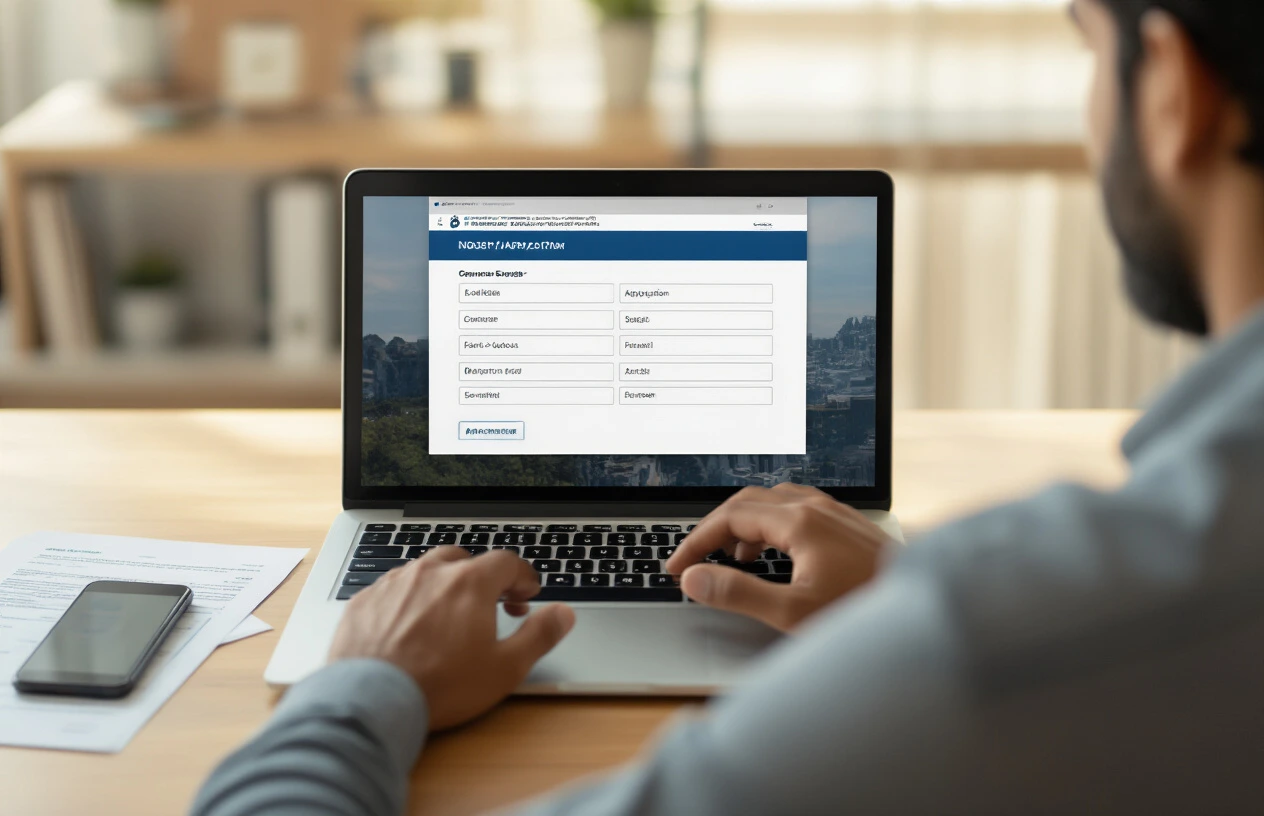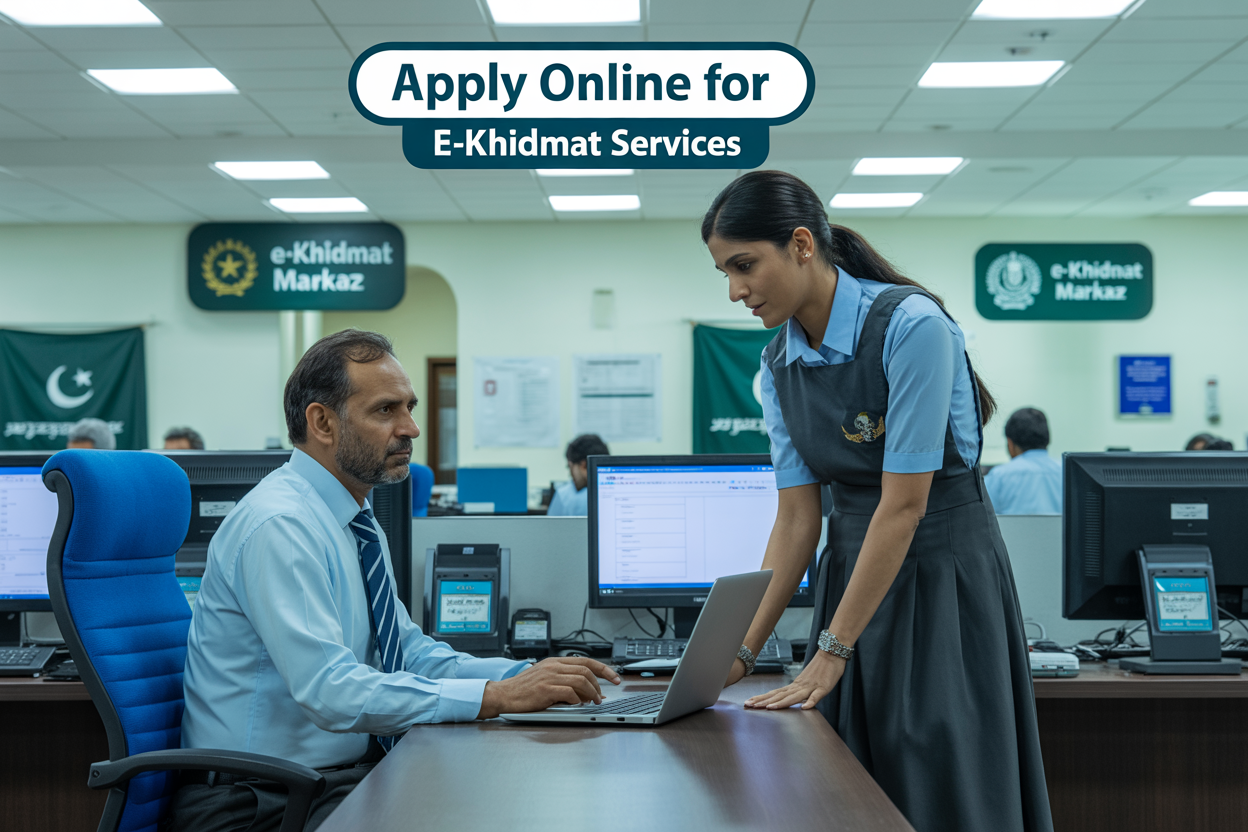
Getting government services in Pakistan just got easier with the e-Khidmat Markaz online platform. This digital portal lets you apply for various government services from home, saving you time and trips to physical offices.
This guide is perfect for Pakistani citizens who want to access government services online, whether you’re applying for your first digital service or need help navigating the system. We’ll walk you through everything from creating your account to completing your applications.
You’ll learn how to set up your e-Khidmat digital account setup with the right documents and verification steps. We’ll also cover the complete e-Khidmat Markaz registration process, including how to navigate service applications, understand payment options, and track your progress from start to finish.
By the end, you’ll know exactly how to apply e-Khidmat services online and make the most of Pakistan’s growing digital government services.
Understanding e-Khidmat Markaz Platform
What is e-Khidmat Markaz and its purpose
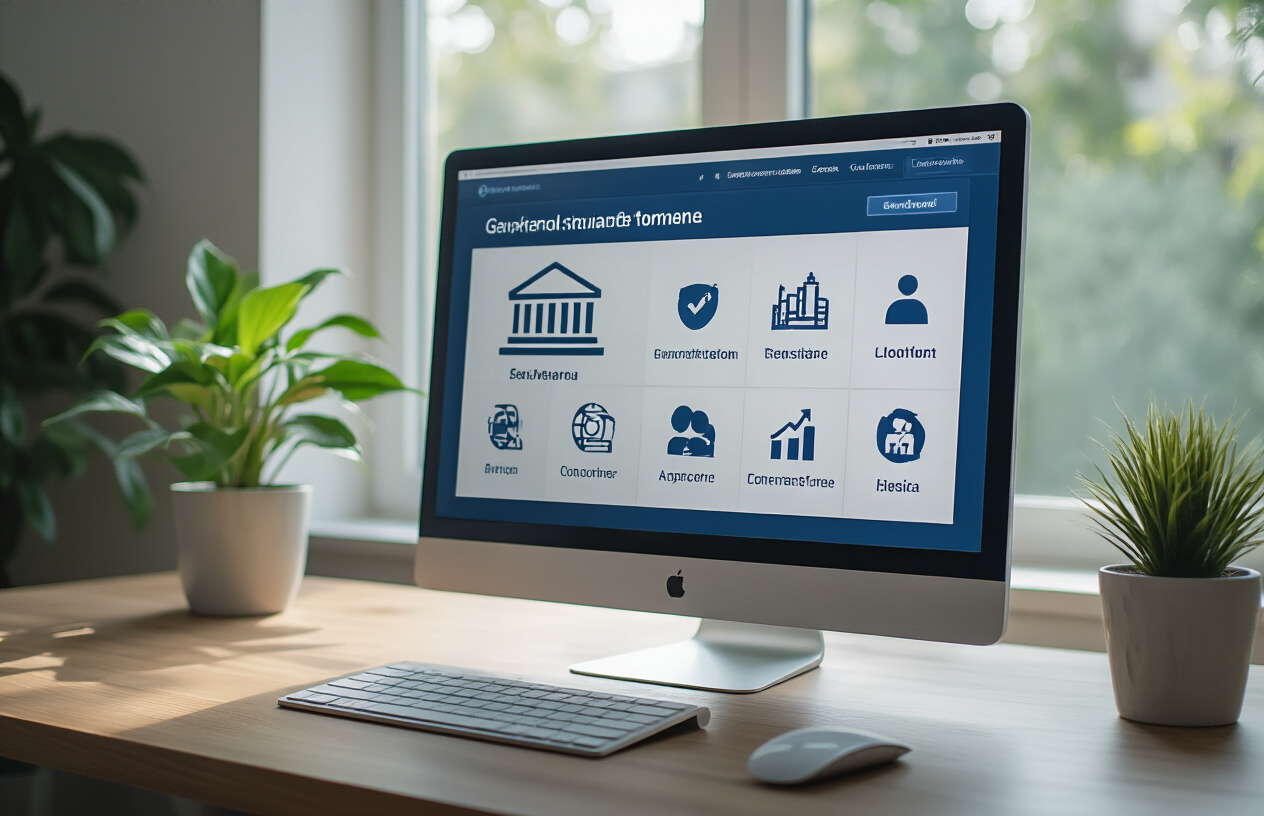
e-Khidmat Markaz serves as Pakistan’s comprehensive digital gateway for accessing government services online. This innovative platform was designed to streamline the delivery of public services by bringing them directly to citizens’ fingertips. The name “e-Khidmat” translates to “e-Service” in English, reflecting its core mission to digitize traditional government processes.
The platform operates under the umbrella of Pakistan’s digital transformation initiative, aiming to reduce bureaucratic hurdles and make government services more accessible to the general public. Citizens can now complete various administrative tasks from their homes or offices, eliminating the need for multiple visits to government offices. The e-Khidmat Markaz online application system represents a significant shift toward modernizing public service delivery in Pakistan.
This digital portal connects multiple government departments and agencies, creating a unified interface where citizens can interact with various ministries and departments through a single login. The platform prioritizes user experience by providing a clean, intuitive interface that even first-time users can navigate easily.
Available government services through the portal
The Pakistan online services portal offers an extensive range of government services across different sectors. Citizens can apply for essential documents like national identity cards (CNIC), passports, and driving licenses through the platform. The system also handles birth and death certificates, marriage registrations, and domicile certificates.
Business-related services include company registrations, tax filings, and trade license applications. The platform covers educational services such as degree attestations and scholarship applications. Healthcare services include hospital registrations and medical certificate verifications.
Key services available include:
- Identity Documents: CNIC applications, renewals, and modifications
- Travel Documents: Passport applications and renewals
- Vehicle Services: Driving license applications, vehicle registrations
- Legal Documents: Marriage certificates, divorce certificates
- Business Services: Company formations, tax registrations
- Educational Services: Degree verifications, scholarship applications
- Property Services: Property registrations, mutation applications
- Social Services: Welfare program applications, pension registrations
The platform continuously expands its service offerings as more government departments integrate their processes with the digital government services application system.
Benefits of applying online vs traditional methods
The e-Khidmat Markaz registration process offers numerous advantages over traditional paper-based applications. Time savings represent the most significant benefit, as citizens can complete applications 24/7 without visiting government offices during limited working hours. This flexibility particularly benefits working professionals and those living in remote areas.
Cost reduction is another major advantage. Online applications eliminate travel expenses, photocopying costs, and the need to take time off work. Citizens save money on transportation, parking fees, and other expenses associated with multiple office visits.
The digital system provides transparency that traditional methods often lack. Applicants receive immediate confirmation receipts, real-time status updates, and clear timelines for processing. This visibility reduces anxiety and uncertainty about application progress.
Online government services Pakistan also reduces human error and corruption risks. Automated systems process applications based on predefined criteria, minimizing subjective decision-making and potential favoritism. Digital records create audit trails that enhance accountability.
Document security improves significantly with online applications. Digital submissions reduce the risk of lost paperwork, and electronic storage ensures documents remain accessible for future reference. The system also maintains backup copies, protecting against data loss.
System requirements and compatibility
The e-Khidmat digital account setup requires minimal technical specifications, making it accessible to users with basic computing equipment. The platform works on most modern devices including desktop computers, laptops, tablets, and smartphones.
Browser compatibility includes:
- Google Chrome (version 70 or higher)
- Mozilla Firefox (version 65 or higher)
- Safari (version 12 or higher)
- Microsoft Edge (version 44 or higher)
Internet connectivity requirements are modest – a stable broadband connection with at least 1 Mbps speed ensures smooth operation. Mobile data connections work well for most services, though document uploads may require stronger signals.
Device specifications include:
- RAM: Minimum 2GB (4GB recommended)
- Storage: At least 1GB free space for temporary files
- Screen Resolution: 1024×768 minimum for optimal viewing
- Operating Systems: Windows 7+, macOS 10.12+, Android 6.0+, iOS 10+
Additional requirements include a valid email address for account verification and notifications, a mobile phone number for SMS verifications, and access to a scanner or camera for document uploads. Users should also have PDF reading capability and basic computer literacy skills to navigate the interface effectively.
Setting Up Your Digital Account
Creating your user profile and verification
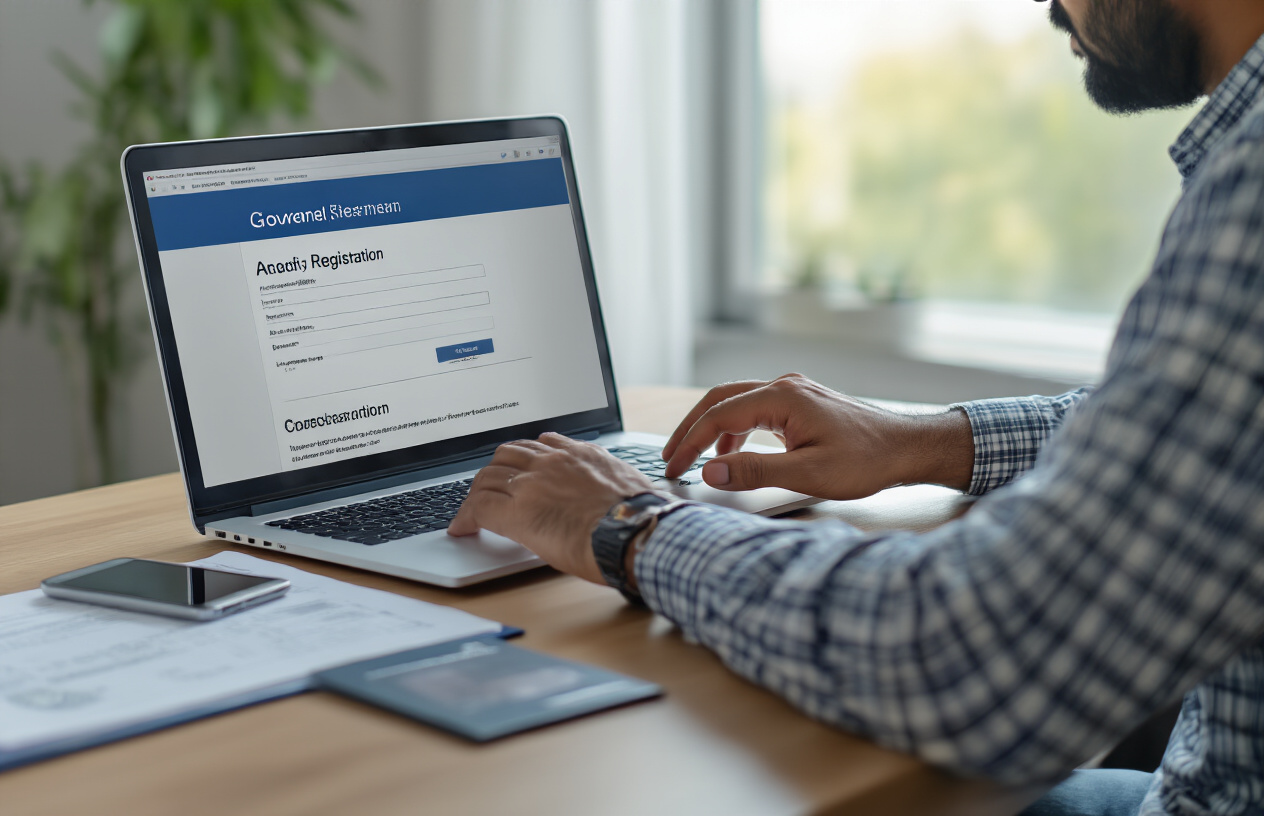
Getting started with your e-Khidmat Markaz online application begins with setting up a secure digital profile. The registration process is straightforward and designed to protect your personal information while giving you access to hundreds of government services.
To create your account, visit the official e-Khidmat portal and click the “Sign Up” button. You’ll need to provide your CNIC number, mobile phone number, and email address. The system will send a verification code to both your phone and email – make sure to check your spam folder if you don’t see the email immediately.
Your CNIC serves as your primary identifier in the system, linking all your applications and services under one digital identity. The platform uses this information to verify your citizenship and eligibility for various services. Double-check that you enter your CNIC exactly as it appears on your card, including any hyphens or spaces.
The mobile number verification is particularly important because the system uses SMS notifications to keep you updated about your applications. Choose a number you check regularly since you’ll receive status updates, payment confirmations, and appointment reminders through this channel.
After entering your basic information, you’ll create a username and password. Your username becomes your permanent login credential, so pick something memorable but professional. Many users choose a combination of their name and birth year, though you can select any available option.
The email verification process includes clicking a confirmation link sent to your registered email address. This step activates your account and enables important notifications about service updates, policy changes, and application deadlines.
Required documents for account registration
The e-Khidmat Markaz registration process requires specific documents to complete your profile setup. Having these ready before you start saves time and prevents incomplete applications.
Your original CNIC is the most critical document. The system needs a clear, readable copy uploaded in JPG or PDF format. Take a high-quality photo or scan ensuring all text is legible and the image isn’t blurry or cropped.
For enhanced verification levels, you might need additional documents depending on the services you plan to access:
Basic Documentation Requirements:
- Valid CNIC (front and back)
- Passport-size photograph with white background
- Mobile bill or utility bill for address verification
- Bank account details for payment processing
Professional Services Documentation:
- Educational certificates for employment-related services
- Business registration documents for commercial applications
- Property documents for land-related services
- Family registration certificate for dependent services
Upload documents in the recommended formats and file sizes. Most documents should be under 2MB and in PDF, JPG, or PNG format. Poor quality images or oversized files often cause upload failures, so prepare your documents properly before starting the registration.
The system automatically crops and resizes images, but starting with properly formatted documents ensures better results. Keep digital copies of all documents on your device for future applications since many services require additional documentation.
Understanding security features and password requirements
Your e-Khidmat digital account setup includes robust security measures designed to protect your personal information and prevent unauthorized access. Understanding these features helps you maintain account security while accessing government services efficiently.
Password requirements are strict but necessary for protecting sensitive government data. Your password must contain:
- Minimum 8 characters, maximum 20 characters
- At least one uppercase letter
- At least one lowercase letter
- At least one number
- At least one special character (!@#$%^&*)
- No common words or personal information
The system blocks passwords that include your name, CNIC digits, or common phrases like “password123.” Choose a unique combination that you can remember but others can’t guess. Consider using a passphrase method – combining unrelated words with numbers and symbols.
Two-factor authentication (2FA) adds an extra security layer to your account. When enabled, you’ll receive a verification code on your registered mobile number each time you log in from a new device. This prevents unauthorized access even if someone discovers your password.
The platform includes session management features that automatically log you out after 30 minutes of inactivity. This protects your account if you forget to log out on shared computers. You can manually extend sessions if you’re actively working on applications.
Account lockout protection activates after five failed login attempts, temporarily blocking access for security. If you forget your password, use the “Forgot Password” option to reset it through your registered email or mobile number.
The system maintains detailed login logs showing when and from where you accessed your account. Review these regularly through your account settings to spot any suspicious activity. Report unusual login attempts immediately through the platform’s support channels.
Regular password updates strengthen account security. The system reminds you to change passwords every 90 days, though you can update them anytime through your profile settings. Never share your login credentials or access your account from untrusted devices or networks.
Navigating the Service Application Process

Browsing and selecting available services
The e-Khidmat Markaz online platform hosts dozens of government services under one digital roof, making it easier for Pakistani citizens to access what they need without visiting multiple offices. When you log into your account, you’ll find services organized by categories like education, health, legal affairs, and business registration.
Start by using the search bar if you know exactly what service you need – typing “birth certificate” or “passport renewal” will quickly filter results. Alternatively, browse through the main categories displayed on the homepage. Each service listing shows essential details including processing time, required documents, and applicable fees.
Popular services include NADRA document requests, vehicle registration renewals, property verification, and educational certificate attestations. The platform also offers newer digital services like online NOCs (No Objection Certificates) and business license applications that previously required multiple office visits.
Pay attention to service availability – some services might be temporarily unavailable due to system maintenance or policy updates. The platform clearly marks these with status indicators, so you won’t waste time starting an application that can’t be processed.
Completing application forms accurately
Accurate form completion prevents delays and rejection of your e-Khidmat Markaz online application. Each service has its own form structure, but most follow similar patterns requesting personal information, contact details, and service-specific requirements.
Double-check your CNIC number, mobile number, and email address since these serve as primary identifiers for your application. Inconsistent information across different fields often triggers automatic validation errors that can delay processing.
When entering addresses, use the format suggested by the system. Many forms include dropdown menus for cities and districts – select from these options rather than typing manually to avoid formatting issues. For international addresses, follow the specific guidelines provided for overseas applicants.
Date fields require particular attention. Use the calendar widget when available, and ensure you’re entering dates in the correct format (usually DD/MM/YYYY for Pakistani systems). Birth dates, issue dates for existing documents, and requested service dates must align with supporting documentation you’ll upload later.
Some forms include conditional fields that appear based on your previous answers. Answer each question completely before moving to the next section to ensure all relevant fields display properly.
Uploading required documents and attachments
Document upload represents a critical step in your online government services Pakistan application process. The system accepts multiple file formats including PDF, JPG, and PNG, with most documents requiring PDF format for official submissions.
Scan your documents at high resolution (minimum 300 DPI) to ensure text remains readable after compression. Poor quality scans frequently result in application rejections, forcing you to restart the entire process. Each document should be clearly visible with all text legible and corners fully captured in the image.
File size limits typically range from 2MB to 5MB per document. If your files exceed these limits, use PDF compression tools or reduce image resolution while maintaining readability. Name your files descriptively – “CNIC_Front.pdf” works better than “Document1.pdf” when you need to reference them later.
The platform provides a checklist of required documents for each service. Common requirements include:
- CNIC copies (front and back)
- Passport-size photographs
- Existing certificates or licenses
- Proof of address
- Fee payment receipts (if applicable)
Upload documents in the exact order listed in the requirements. Some services allow additional supporting documents – use this option when you have extra proof that might strengthen your application.
Reviewing application details before submission
The review step gives you one final chance to catch errors before submitting your e-Khidmat services application. Take time to read through every section carefully, as most services don’t allow modifications after submission.
Verify that all personal information matches your official documents exactly. Even small spelling differences in names or addresses can cause processing delays. Check that uploaded documents are the correct files – accidentally uploading the wrong document is a common mistake that’s easily prevented during review.
Confirm your contact information is current and accurate. The system will send updates to the mobile number and email address you provide, so outdated contact details mean you’ll miss important notifications about your application status.
Review the fee structure and payment method selection if applicable. Some services offer multiple payment options, and changing your preferred method after submission may not be possible. Make sure you understand the total cost and any additional processing fees.
Before clicking submit, save or screenshot your application reference number and any important details. This information becomes essential for tracking your application and resolving any issues that might arise during processing.
Payment Methods and Fee Structure
Understanding service charges and government fees
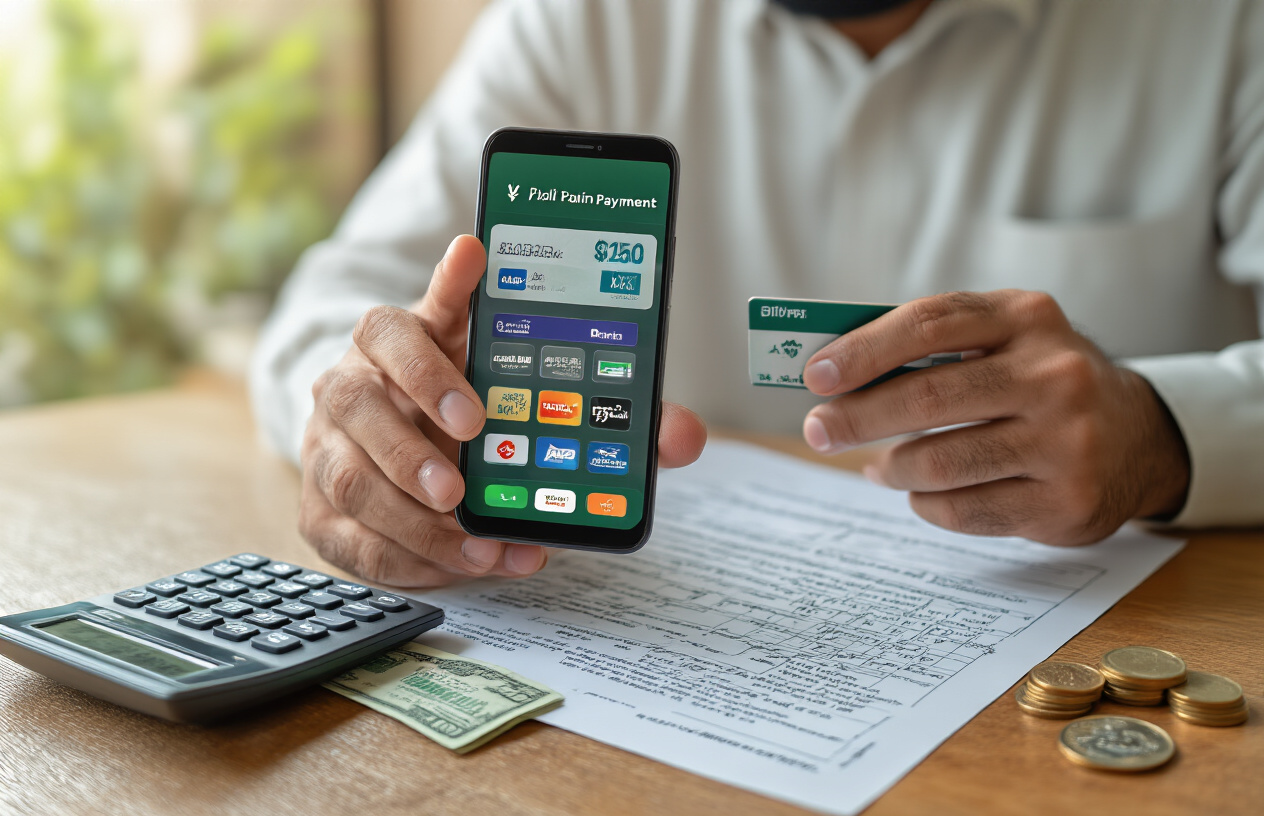
The e-Khidmat Markaz fee structure breaks down into two main categories: government-mandated fees and service charges. Government fees are fixed amounts set by relevant departments for specific documents like passport renewals, CNIC applications, or birth certificates. These fees remain consistent whether you apply online through the e-Khidmat Markaz registration process or visit a physical center.
Service charges cover the administrative costs of processing your application through the digital platform. These charges typically range from PKR 50 to PKR 200 depending on the complexity of your requested service. Express processing options carry higher service fees but guarantee faster turnaround times.
Different government departments maintain their own pricing structures. For example, NADRA services like CNIC renewal cost PKR 1,500 plus applicable service charges, while passport services through the Passport Office carry separate fee schedules. The platform displays all applicable fees upfront during the application process, so you won’t encounter any surprise charges.
Special discounts apply for certain categories including senior citizens, students, and persons with disabilities. These reduced rates reflect government policies aimed at making essential services more accessible across Pakistan.
Available online payment options
The e-Khidmat Markaz online application portal supports multiple payment methods to accommodate different user preferences. Credit and debit cards from major banks including HBL, UBL, MCB, and Allied Bank work seamlessly through the integrated payment gateway.
Mobile banking solutions like JazzCash, Easypaisa, and UPaisa provide convenient alternatives for users who prefer digital wallet transactions. These services process payments instantly and send confirmation messages to your registered mobile number.
| Payment Method | Processing Time | Transaction Limit |
|---|---|---|
| Credit/Debit Cards | Instant | PKR 100,000 |
| JazzCash | Instant | PKR 25,000 |
| Easypaisa | Instant | PKR 25,000 |
| Bank Transfer | 1-2 hours | PKR 500,000 |
Internet banking through major Pakistani banks offers another secure option for completing your e-Khidmat payment methods. This option works particularly well for larger fee amounts that exceed mobile wallet limits.
Bank drafts and pay orders remain available for users who prefer traditional payment methods, though these require physical submission at designated collection centers.
Processing payment securely through the portal
Security measures built into the Pakistan online services portal protect your financial information throughout the transaction process. The platform uses 256-bit SSL encryption to safeguard all payment data transmitted between your device and the server.
Two-factor authentication adds an extra security layer during payment processing. After entering your payment details, you’ll receive an OTP (One-Time Password) on your registered mobile number. This verification step prevents unauthorized transactions even if someone gains access to your login credentials.
The payment gateway redirects you to your bank’s secure server for final authorization. This means your actual card details never store on the e-Khidmat platform servers. Banks handle the sensitive financial data according to international security standards.
Payment confirmations appear immediately after successful transactions. The system generates a unique transaction ID that links to your application reference number. Save this information for future reference and potential dispute resolution.
Failed payments trigger automatic notifications explaining the reason for rejection. Common issues include insufficient funds, expired cards, or network connectivity problems. The platform allows you to retry payments without restarting your entire application process.
Your e-Khidmat digital account setup includes a payment history section where you can view all previous transactions. This feature helps track expenses and provides proof of payment for record-keeping purposes.
Tracking Your Application Status
Using Application Reference Numbers Effectively
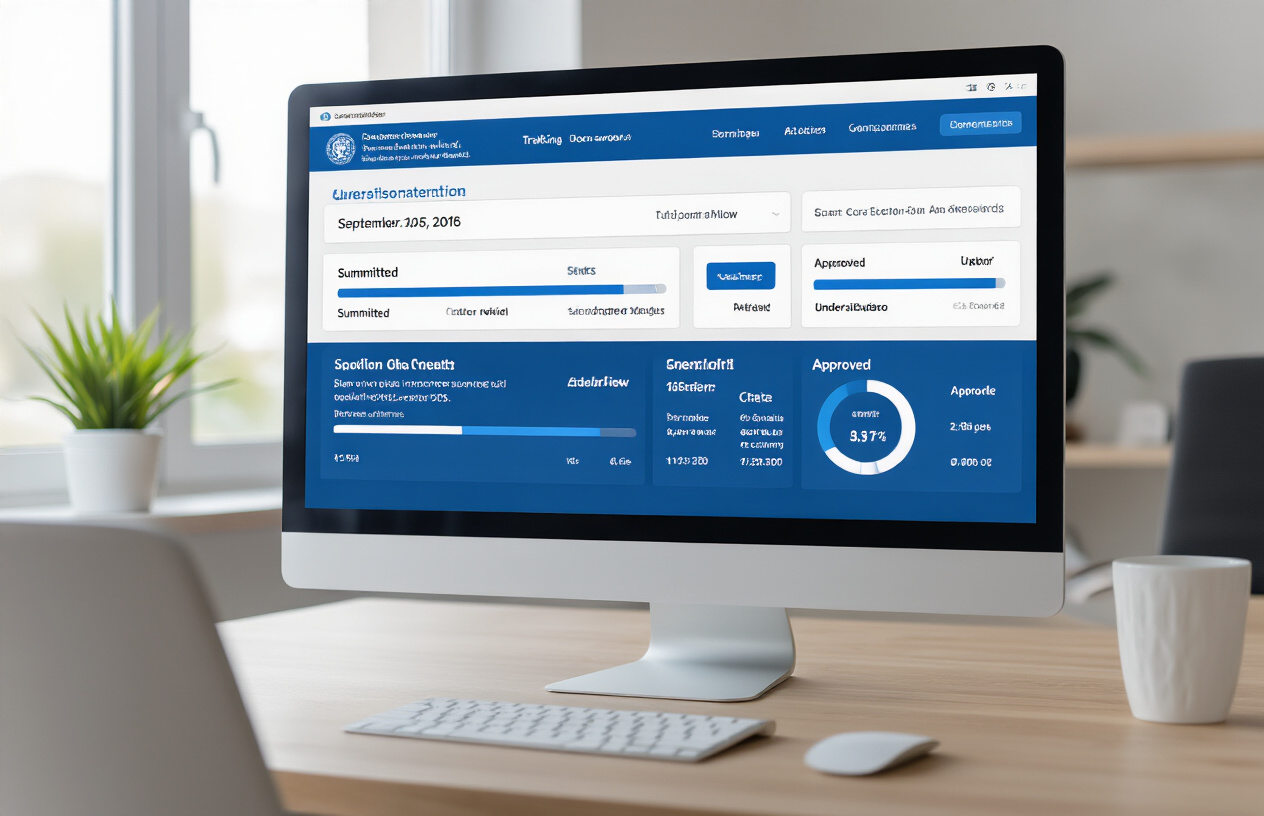
Your application reference number is your golden ticket to tracking progress through the e-Khidmat Markaz online application system. This unique identifier gets generated the moment you submit your service request and serves as your primary tool for monitoring every stage of the process.
Keep this reference number safe by saving it in multiple places – your email, phone notes, or even writing it down. The reference number typically follows a specific format combining letters and numbers that identify your application type and submission date. You’ll need this number every time you want to check your application status or contact customer support.
Most people make the mistake of only checking their application status once or twice. The smart approach involves regular monitoring, especially during peak processing periods when government offices handle higher volumes of requests. Log into your e-Khidmat digital account and enter your reference number in the tracking section to get real-time updates on document verification, approval stages, and any additional requirements.
When using your reference number, make sure you’re entering it exactly as provided – including any dashes, spaces, or special characters. The system is case-sensitive, so pay attention to uppercase and lowercase letters. If you’re having trouble accessing your application status, double-check that you’re using the correct reference number format.
Receiving Notifications and Updates
The e-Khidmat platform keeps you informed through multiple notification channels, making sure you never miss important updates about your application. Email notifications remain the primary communication method, delivering detailed information about status changes, document requirements, and approval confirmations directly to your registered email address.
SMS alerts provide quick updates for major milestones like application receipt confirmation, document verification completion, and final approval notifications. These text messages include your reference number and brief status descriptions, perfect for staying updated while on the go.
Push notifications through the e-Khidmat mobile app offer the most immediate updates. Enable these notifications during your initial setup to receive instant alerts whenever your application moves to the next processing stage. The app notifications include direct links to view detailed status information or take required actions.
Check your spam folder regularly, as automated government emails sometimes get filtered incorrectly. Add the official e-Khidmat email domain to your trusted senders list to ensure all notifications reach your inbox. You can also customize notification preferences in your account settings, choosing which types of updates you want to receive through each communication channel.
Understanding Processing Timelines for Different Services
Processing timelines vary significantly across different e-Khidmat services, and knowing what to expect helps you plan accordingly. Document verification services like domicile certificates typically take 3-5 business days, while more complex applications such as character certificates may require 7-10 business days for completion.
Here’s a breakdown of common processing timeframes:
| Service Type | Expected Timeline | Factors Affecting Speed |
|---|---|---|
| Domicile Certificate | 3-5 business days | Document clarity, verification requirements |
| Character Certificate | 7-10 business days | Background verification depth |
| Income Certificate | 4-6 business days | Financial document verification |
| Birth Certificate | 5-8 business days | Record verification, hospital coordination |
| Marriage Certificate | 6-10 business days | Document authentication, witness verification |
Peak seasons like school admission periods or job application deadlines can extend these timelines by 2-3 additional days. Government holidays and weekends pause processing, so factor these into your planning when applying for time-sensitive documents.
The system automatically accounts for verification delays when multiple departments need to coordinate. Some certificates require physical verification visits, which can add extra processing time depending on your location and local office workload.
Accessing Digital Certificates and Completed Documents
Once your application receives approval, accessing your digital certificates becomes straightforward through your e-Khidmat account dashboard. The platform stores all completed documents in a secure digital format, allowing immediate download and printing without visiting physical offices.
Your completed certificates appear in the “My Documents” section with clear labeling and download options. Each document includes digital verification codes and official seals that maintain legal validity for all intended purposes. Save these documents to multiple devices and cloud storage services for easy access when needed.
Digital certificates from e-Khidmat carry the same legal weight as traditional paper documents. Government offices, educational institutions, and employers across Pakistan recognize these digitally issued certificates for all official purposes. The built-in security features prevent tampering while maintaining document authenticity.
Print quality matters when you need physical copies of your digital certificates. Use standard printer paper and ensure clear printing to maintain the document’s professional appearance and readability of verification codes. Keep both digital and printed copies for different usage scenarios.
The platform maintains a permanent record of all your issued documents, allowing re-downloads whenever necessary. This feature proves invaluable when you need multiple copies for different applications or if you lose your original printed versions.

The e-Khidmat Markaz platform makes getting government services way easier than the old days of standing in long lines. You can set up your account from home, browse through different services, and submit your applications without any hassle. The payment system is straightforward, and you can keep track of everything online without making phone calls or visiting offices.
Take advantage of this digital shift and start using e-Khidmat Markaz for your next government service need. The platform saves you time, money, and effort while giving you full control over your applications. Don’t let technology intimidate you – the system is designed to be user-friendly, and once you try it, you’ll wonder why you ever did things the traditional way.
- How to apply for services at e-Khidmat Markaz online
- Complete guide to e-Khidmat Markaz Pakistan services
- Step-by-step process to book appointments at e-Khidmat Markaz
- Online registration process for e-Khidmat Markaz in Pakistan
- List of documents required for e-Khidmat Markaz applications
- Tracking application status at e-Khidmat Markaz online
- How to renew CNIC through e-Khidmat Markaz portal
- Digital services available at e-Khidmat Markaz near me
- Fees and charges for e-Khidmat Markaz services in 2026
- Schedule an appointment at your nearest e-Khidmat Markaz
e-Khidmat Markaz 2026: Your Complete Guide to Service Fees & Charges That Won’t Break the Bank
Have you ever wondered how much it costs to get your important documents from e-Khidmat Markaz? Well, you’re not alone! Thousands of people visit these digital service centers every day, & many of them are surprised by the fees they encounter. As we step into 2026, the Pakistani government has updated its fee structure for e-Khidmat Markaz services, bringing both good news & some changes that might affect your wallet.
The e-Khidmat Markaz system has become a LIFELINE for millions of Pakistanis who need quick access to government services without the hassle of visiting multiple offices. From getting your CNIC to applying for passport renewals, these centers have made life so much easier. But understanding the cost structure can be tricky, especially when you’re planning your budget for important documents.
In this comprehensive guide, we’ll break down everything you need to know about the 2026 fee structure for e-Khidmat Markaz services. We’ll explore the different categories of services, explain why certain fees have changed, & help you understand exactly what you’ll pay for each service. Whether you’re a first-time visitor or a regular user, this article will give you the clarity you need to make informed decisions about your document needs.
Understanding the NEW Fee Structure Categories
The 2026 fee structure for e-Khidmat Markaz has been divided into several CLEAR categories to make things easier for everyone. The government realized that people were getting confused with the old system, so they simplified everything into four main groups: Identity Documents, Educational Certificates, Property Related Services, & Miscellaneous Government Services.
Identity Documents form the largest category & include services like CNIC applications, passport renewals, & driving license processing. For a fresh CNIC application, you’ll pay PKR 350, which includes the service fee & the card production cost. This is actually PKR 50 less than what people paid in 2025! The government reduced this fee because they wanted to encourage more people to get proper identification documents.
Passport services have seen some INTERESTING changes too. A standard passport application now costs PKR 8,500, but here’s the good news – expedited processing is only an additional PKR 2,000 instead of the previous PKR 3,500. Many families are happy about this change because they can now get urgent passports without spending a fortune. The government explained that they improved their systems, so they could offer faster service at a lower premium cost.
Educational certificates & verification services are priced very reasonably. Getting your matric or intermediate certificate verified costs only PKR 200 per document. University degree verification is slightly higher at PKR 500, but this includes digital verification that employers can check online. Students & job seekers appreciate this service because it saves them weeks of running around different offices.
Digital Payment Options & Hidden Charges Explained
One of the BIGGEST improvements in 2026 is the expansion of digital payment options at e-Khidmat Markaz centers. You can now pay using mobile wallets, credit cards, debit cards, & even cryptocurrency in select locations. However, it’s important to understand that different payment methods come with different processing fees.
When you pay with cash, there are no additional charges – what you see is what you pay. But if you choose to use a credit card, there’s a 2% processing fee added to your total bill. For example, if your service costs PKR 1,000, you’ll actually pay PKR 1,020 with a credit card. Mobile wallet payments like JazzCash & Easypaisa have a flat fee of PKR 25 regardless of the amount, making them a good choice for smaller transactions.
The government introduced these payment options to make things more convenient, but they also wanted to be TRANSPARENT about any extra costs. Some people complained in 2025 that they were surprised by hidden charges, so now everything is clearly displayed on the payment screen before you confirm your transaction. You’ll see a breakdown showing the service fee, any processing charges, & the total amount.
Cryptocurrency payments are still in the experimental phase & are only available in major cities like Karachi, Lahore, & Islamabad. If you use Bitcoin or other accepted cryptocurrencies, there’s a 3% processing fee, but many tech-savvy users find this option convenient. The government is watching how this works & might expand it to more cities if people like using it.
Service Categories & Their Specific Costs
Let’s dive deeper into the SPECIFIC costs for different service categories that you’re most likely to use. Property-related services have become increasingly popular as more people buy & sell real estate. Getting a property verification certificate costs PKR 1,500, which might seem expensive, but it includes a comprehensive background check that can save you from fraud.
Vehicle registration & transfer services are handled efficiently at e-Khidmat Markaz locations. Registering a new car costs PKR 2,200, while transferring ownership of an existing vehicle is PKR 1,800. These fees include all the paperwork, verification processes, & the issuance of new documents. Many people find this much more convenient than visiting multiple government offices.
Health-related document services are PRICED very affordably because the government considers them essential. Getting a medical fitness certificate costs only PKR 300, & this includes a basic health screening. Vaccination certificates are even cheaper at PKR 150 each. These low prices encourage people to maintain proper health documentation.
Business registration & licensing services vary widely depending on what type of business you’re starting. A simple trade license costs PKR 5,000, but if you need additional permits for food handling or manufacturing, the costs can go up to PKR 15,000 or more. The good news is that all these services are now available under one roof, saving you time & transportation costs.
Tax-related services include income tax certificate issuance (PKR 400), sales tax registration (PKR 800), & tax return filing assistance (PKR 1,200). These services are popular among small business owners who don’t want to hire expensive accountants. The staff at e-Khidmat Markaz are trained to help with basic tax questions, making these services valuable for ordinary citizens.
Money-Saving Tips & Fee Reduction Programs
Smart planning can help you SAVE significant money on e-Khidmat Markaz services. The government has introduced several programs to help people reduce their costs, especially for families who need multiple services at once. If you apply for three or more services in a single visit, you get a 10% discount on the total bill.
Senior citizens (above 60 years) & disabled individuals receive a 25% discount on most services. This is the government’s way of supporting vulnerable populations who often live on fixed incomes. Students with valid student IDs get a 15% discount on educational document services, which helps young people who are already struggling with education costs.
The EARLY Bird program offers reduced fees for people who apply for document renewals at least three months before their expiration dates. For example, if you renew your CNIC three months early, you pay PKR 300 instead of PKR 350. This program encourages people to plan ahead & reduces the rush for last-minute applications.
Group applications from the same family can result in substantial savings. If five or more family members apply for CNICs together, each person pays only PKR 250 instead of the regular PKR 350. This is particularly helpful for large families or when parents are getting documents for multiple children.
Loyalty programs reward frequent users with points that can be converted into fee reductions. Every PKR 100 you spend earns you 5 points, & 100 points equal a PKR 50 discount on future services. Regular users like business owners who frequently need various certificates find this program very beneficial.
Looking Ahead: What These Changes Mean for You
The 2026 fee structure for e-Khidmat Markaz reflects the government’s commitment to making essential services both affordable & accessible. While some fees have increased slightly due to inflation & improved service quality, many have actually gone down thanks to technological improvements & increased efficiency.
Understanding these fees helps you budget better for your documentation needs. Whether you’re planning to get a new passport, register a business, or update your CNIC, knowing the exact costs ahead of time prevents unpleasant surprises. The transparent pricing system means you can trust that the amount you’re quoted is exactly what you’ll pay.
The introduction of digital payment options makes transactions smoother, but remember to factor in processing fees when choosing your payment method. Cash remains the most economical option, while mobile wallets offer a good balance between convenience & cost for most transactions.
Take advantage of the various discount programs available to you. Whether you qualify for senior citizen discounts, student reductions, or family group rates, these savings can add up to significant amounts over time. Planning your applications strategically & combining multiple services in one visit maximizes your savings.
As the e-Khidmat Markaz system continues to evolve, we can expect even more improvements in service delivery & potentially more competitive pricing. The government’s focus on digitization & efficiency suggests that costs may continue to decrease while service quality improves. Stay informed about updates to ensure you’re always getting the best value for your money when accessing these essential government services.