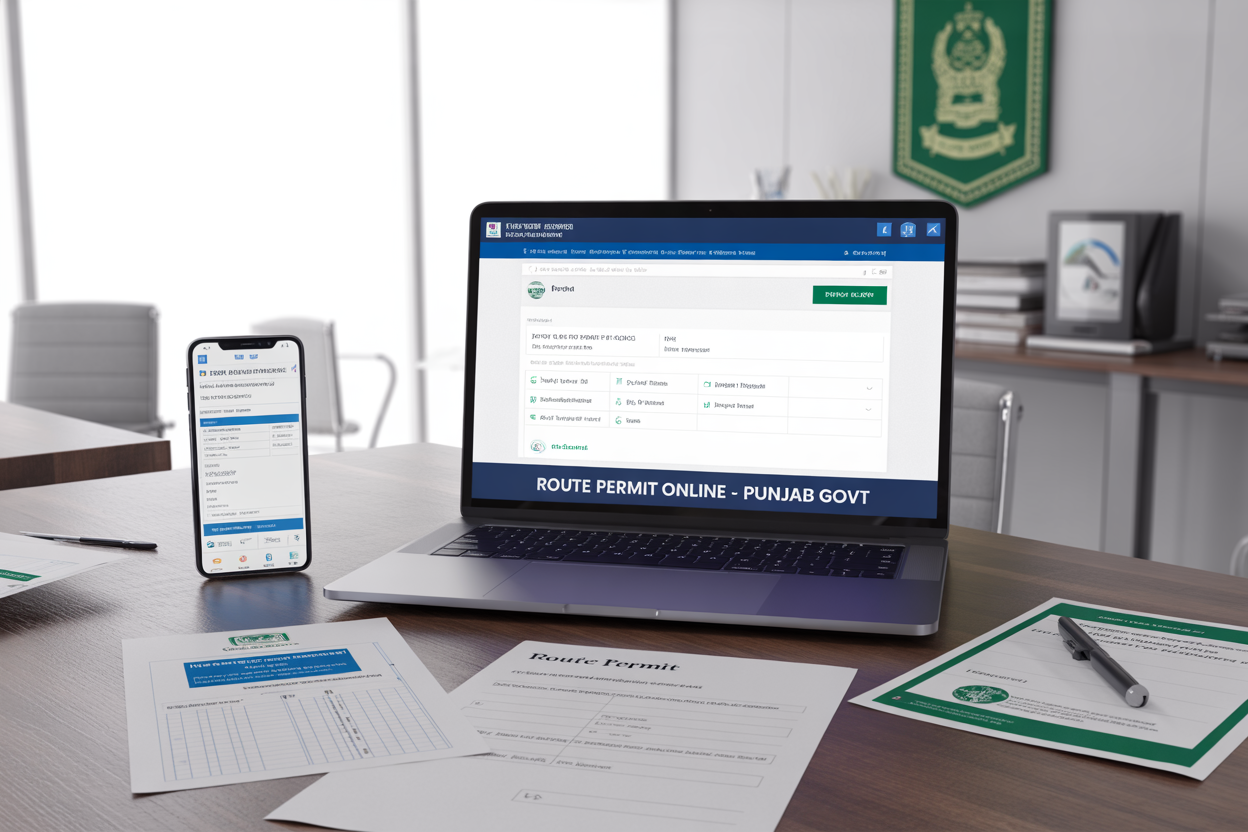
Transport businesses and commercial vehicle operators in Punjab can now apply for route permits online through the Punjab government’s digital portal. This streamlined process saves time and eliminates the need for multiple office visits that used to slow down permit approvals.

The route permit online apply govt of Punjab system is designed for truckers, logistics companies, bus operators, and freight businesses who need official authorization to operate on specific routes within the state. Getting your permit sorted properly means you can focus on running your business without worrying about compliance issues.
We’ll walk you through the complete Punjab route permit application process, starting with understanding what documents and requirements you need before you begin. You’ll also learn about the different Punjab route permit types available – from goods carriages to passenger vehicles – so you can pick the right category for your operation. Finally, we’ll show you how to track your application and avoid the common slip-ups that can delay approval or get your application rejected.
Understanding Route Permit Requirements in Punjab

Getting your route permit online Punjab application ready means having the right paperwork sorted first. The Punjab government requires specific documents to process your transport permit Punjab government application efficiently.
Vehicle Registration Documents
- Original registration certificate (RC) of the vehicle
- Insurance policy documents (valid and comprehensive coverage)
- Pollution Under Control (PUC) certificate
- Fitness certificate for commercial vehicles
Applicant Documentation
- Valid driving license appropriate for the vehicle category
- Aadhaar card and PAN card for identity verification
- Passport-size photographs (recent)
- Address proof documents (utility bills, voter ID, or rental agreement)
Business-Related Papers
For commercial route permit applications, you’ll need business registration documents, GST certificate if applicable, and bank statements from the last three months. Partnership firms must submit partnership deeds, while companies need incorporation certificates.
Financial Documents
Bank guarantee or security deposit proof, income tax returns for the previous year, and financial statements help establish your capability to operate commercial transport services.
Eligibility Criteria for Different Vehicle Types
The route permit application process Punjab varies significantly based on your vehicle category and intended use.
Passenger Vehicles
Private cars seeking tourist permits need owners with clean driving records spanning at least three years. Commercial passenger vehicles require operators to demonstrate experience in transport services and maintain proper safety standards.
Goods Vehicles
Light commercial vehicles (LCV) under 3.5 tons have simpler eligibility requirements compared to heavy commercial vehicles. Truck operators must show proof of parking facilities, maintenance capabilities, and route feasibility studies for interstate permits.
Stage Carriage Services
Bus operators need substantial financial backing, fleet management experience, and compliance with passenger safety regulations. Route studies showing demand and viability become crucial for new route applications.
Contract Carriage
Taxi and cab services require different criteria, including GPS tracking systems, proper fare meters, and driver background verification processes.
Fee Structure and Payment Methods
Standard Fee Categories
| Vehicle Type | Application Fee | Security Deposit | Annual Fee |
|---|---|---|---|
| Private Car Tourist Permit | ₹500 | ₹2,000 | ₹1,200 |
| Goods Vehicle (LCV) | ₹750 | ₹5,000 | ₹2,400 |
| Bus/Stage Carriage | ₹1,200 | ₹15,000 | ₹6,000 |
| Contract Carriage | ₹600 | ₹3,000 | ₹1,800 |
Payment Options
The online route permit apply Punjab government portal accepts multiple payment methods including net banking, credit/debit cards, UPI, and digital wallets. Bank challans remain valid for offline payments at designated branches.
Additional Charges
Late renewal attracts penalty fees ranging from 25% to 100% of the annual fee. Route modification requests carry separate charges, while duplicate permit issuance costs ₹200 plus processing fees.
Processing Timeframes and Validity Periods
Standard Processing Times
Most Punjab route permit application submissions get processed within 15-30 working days for complete applications. Tourist permits typically take 7-15 days, while commercial permits may require 20-45 days depending on route complexity and verification requirements.
Validity Periods
- Tourist permits: Valid for one year, renewable annually
- Goods vehicle permits: Five-year validity with annual renewals
- Passenger service permits: Typically valid for five years
- Temporary permits: 30-120 days based on specific requirements
Renewal Timelines
Applications for renewal should be submitted 30 days before expiry to avoid service disruption. The online transport permit Punjab system sends automated reminders via SMS and email.
Expedited Processing
Emergency permits for essential services can be processed within 3-7 working days with additional express processing fees. Medical emergency transport and essential goods vehicles often receive priority consideration during the Punjab route permit tracking process.
Step-by-Step Online Application Process
Creating your account on the official portal
Getting started with your route permit online Punjab application begins with setting up an account on the Punjab government’s official transport portal. Head over to the Punjab Transport Department’s website and look for the “New User Registration” option. You’ll need to provide basic information including your full name, mobile number, email address, and create a secure password.
The registration process asks for your CNIC number and address details. Make sure to use the same mobile number that you have access to since you’ll receive OTP verification codes throughout the application process. After filling out the registration form, check your email for a verification link. Click on it to activate your account.
Once your account is active, log in using your credentials. The dashboard will display various options for different types of permits and services. Bookmark the portal for easy access during the application process, as you may need to log in multiple times to complete your Punjab route permit application.
Filling out the application form accurately
The online application form for your transport permit Punjab government requires careful attention to detail. Start by selecting the correct route permit type from the dropdown menu. The form is divided into several sections: applicant information, vehicle details, route specifications, and business information.
In the applicant section, provide your complete name exactly as it appears on your CNIC. Enter your father’s name, date of birth, and current address with proper postal codes. The vehicle information section needs your vehicle registration number, make, model, year of manufacture, and engine details. Double-check these details against your vehicle registration documents.
Route details require you to specify your starting point, destination, and any intermediate stops. Be precise with location names and use the exact spellings as recognized by the transport department. If you’re applying for a goods transport permit, include information about the type of goods you plan to transport.
Business information includes details about your transport business, if applicable. This covers your business registration number, tax identification, and any existing transport permits you may hold. The form also asks about your previous experience in the transport sector.
Save your progress frequently while filling out the form. The portal allows you to save incomplete applications and return later to complete them. Review each section carefully before moving to the next, as some information cannot be changed once submitted.
Uploading required documents and photographs
Document upload is a critical part of your online route permit apply Punjab government process. The portal requires specific documents in digital format, typically PDF or JPEG files with size limits. Common required documents include:
- CNIC copy (front and back)
- Vehicle registration certificate
- Valid driving license
- Insurance certificate
- Fitness certificate
- Route survey report (for new routes)
- Business registration documents
- Tax clearance certificate
Each document should be clear and legible when scanned. Poor quality uploads often lead to application rejection. The system usually allows files up to 2MB in size, so compress large files if necessary while maintaining readability.
Photograph requirements include a recent passport-size photo of the applicant and clear images of the vehicle from multiple angles. Vehicle photos should show the registration plate clearly along with the overall condition of the vehicle. Some permit types may require additional photographs of loading facilities or depot locations.
Upload documents in the order specified by the portal. The system typically validates file formats and sizes before accepting uploads. If a document is rejected, check the file format, size, and clarity before trying again.
Submitting payment and confirmation details
The final step involves payment processing for your Punjab transport permit online application. The portal displays the total fee amount based on your permit type and route specifications. Payment options usually include online banking, credit/debit cards, and mobile wallet services.
Before making payment, review your entire application one final time. Once payment is processed, you cannot make changes to most application details. The system generates a unique application reference number after successful payment. This number is essential for route permit online application status Punjab tracking.
After payment confirmation, you’ll receive an SMS and email with your application details and reference number. The portal also provides a payment receipt that you should download and save. Some applications may require additional verification steps or physical document submission at designated offices.
Keep your reference number safe and check the portal regularly for status updates. The system sends notifications about application progress, but proactive checking helps you stay informed about any additional requirements or approvals needed for your route permit application.
Types of Route Permits Available

Stage Carriage Permits for Passenger Vehicles
Stage carriage permits are the backbone of Punjab’s public transportation system. These permits allow operators to run buses and other passenger vehicles on fixed routes with predetermined stopping points. Think of your daily city bus or inter-district services – they all operate under stage carriage permits.
When you apply for a route permit online Punjab, the stage carriage category covers vehicles that pick up and drop passengers at designated stages along a specific route. The fare structure is typically based on distance traveled, making it an affordable option for regular commuters.
The Punjab transport permit online system recognizes several subcategories within stage carriage permits:
- City bus permits for urban transportation within municipal limits
- Inter-district permits connecting different districts across Punjab
- Rural service permits serving village and remote area connectivity
- Express service permits for limited-stop services between major cities
Operators must demonstrate financial capability, vehicle fitness standards, and adherence to passenger safety regulations. The vehicles require regular fitness certificates and must maintain specific insurance coverage levels. Route permits specify exact pickup and drop-off points, operating hours, and fare structures that operators must follow strictly.
Contract Carriage Permits for Hire Services
Contract carriage permits serve the private hire vehicle market, covering everything from luxury cars to tourist buses. Unlike stage carriages, these vehicles don’t follow fixed routes or schedules. Instead, they operate on a hire-and-reward basis for specific contracts or bookings.
The Punjab route permit application process for contract carriage includes several distinct categories:
| Permit Type | Vehicle Capacity | Primary Use |
|---|---|---|
| Tourist Vehicle | 7-50 passengers | Sightseeing, tourism packages |
| Call Taxi | 4-6 passengers | On-demand city transport |
| Maxi Cab | 7-12 passengers | Group bookings, airport transfers |
| Luxury Coach | 20+ passengers | Wedding parties, corporate events |
Contract carriage operators enjoy more flexibility in pricing and route selection but face stricter vehicle standards. The transport permit Punjab government requires these vehicles to maintain higher safety and comfort standards since they often serve tourists and premium customers.
Application requirements include proof of garage facilities, driver employment records, and detailed business plans. Operators must also provide evidence of contracts or demonstrate market demand for their services in the proposed operational area.
Goods Carriage Permits for Commercial Transport
Goods carriage permits form the commercial backbone of Punjab’s economy, enabling the movement of agricultural produce, manufactured goods, and raw materials across the state and beyond. The online route permit apply Punjab government portal handles these applications efficiently, recognizing the critical role freight transport plays in economic activity.
The permit structure accommodates various business models:
All Punjab Permits allow goods vehicles to operate anywhere within state boundaries. These permits suit businesses with diverse supply chains and multiple delivery locations. Agricultural traders, wholesalers, and manufacturers typically opt for these comprehensive permits.
Specific Route Permits restrict operations to predetermined routes between specific points. These cost-effective options work well for businesses with regular supply runs, such as daily milk collection routes or factory-to-warehouse transportation.
National Permits extend operational authority beyond Punjab borders, essential for businesses involved in interstate commerce. The application process involves additional documentation and higher fees but opens access to national markets.
Temporary Permits serve short-term needs, such as seasonal agricultural transport during harvest periods or one-time project cargo movement. These permits offer flexibility without long-term commitments.
The Punjab route permit types for goods carriage also consider vehicle specifications. Light commercial vehicles, medium trucks, heavy-duty transporters, and specialized vehicles like tankers or refrigerated trucks each require specific permit endorsements. Vehicle age restrictions, load capacity limitations, and environmental compliance standards vary based on the permit category and operational area.
Operators must maintain detailed logbooks, comply with driver working hour regulations, and ensure vehicles meet pollution control standards. The online transport permit Punjab system tracks vehicle movements and helps enforce compliance with permit conditions.
Common Mistakes to Avoid During Application
Incomplete Documentation Submission
Missing essential documents ranks as the top reason for Punjab route permit application rejections. The Punjab transport department requires specific paperwork for each permit type, and skipping even one document can delay your application by weeks.
Your application package must include a valid driving license, vehicle registration certificate, insurance papers, and fitness certificate. Commercial vehicle operators need additional documents like PUC certificates and tax clearance papers. Many applicants submit photocopies instead of self-attested documents, which the system automatically rejects.
The online route permit apply Punjab government portal clearly lists required documents for each permit category. Take time to review this list carefully before starting your application. Scan documents in high resolution (minimum 300 DPI) to ensure text remains readable. Blurry or unclear documents trigger immediate rejections from the verification team.
Keep digital copies organized in separate folders on your computer before beginning the Punjab route permit application process. This preparation saves time and reduces the chance of uploading wrong documents to incorrect fields.
Incorrect Vehicle Classification Selection
Vehicle classification errors create significant delays in the online transport permit Punjab approval process. The system categorizes vehicles by weight, seating capacity, and intended use. Selecting the wrong category means your permit won’t match your actual vehicle specifications.
Commercial vehicles fall into different classes: light motor vehicles (up to 7,500 kg), medium commercial vehicles (7,500-16,200 kg), and heavy commercial vehicles (above 16,200 kg). Passenger vehicles have separate classifications based on seating arrangements. Goods vehicles require different permits than passenger transport vehicles.
Check your vehicle registration certificate before making this selection. The classification mentioned in your RC book must match your online permit selection exactly. Mismatched classifications lead to automatic rejections during the verification stage.
Private car owners often select commercial vehicle categories by mistake, especially when applying for permits allowing occasional commercial use. Read each option carefully and select based on your vehicle’s registered category, not your intended usage pattern.
Payment Errors and Transaction Failures
Payment gateway issues frequently disrupt the route permit application process Punjab, especially during peak application periods. Failed transactions can leave your application incomplete while still deducting money from your account.
Double-charging occurs when applicants click the payment button multiple times due to slow internet connections. Wait for confirmation messages before refreshing the page or clicking again. Screenshot your successful payment confirmation and note the transaction reference number immediately.
Bank server maintenance windows typically run between 11:30 PM and 12:30 AM daily. Avoid making payments during these hours to prevent transaction failures. Choose UPI or net banking over debit cards for faster processing and fewer technical glitches.
Keep your payment method loaded with sufficient funds plus a small buffer amount. Insufficient balance errors waste time and may cause your application session to expire. Some banks block repeated transaction attempts as security measures, requiring you to wait 24 hours before trying again.
Missing Mandatory Field Entries
The Punjab route permit tracking system flags applications with incomplete mandatory fields, causing automatic rejections before human review begins. Red asterisks mark required fields, but some applications still get submitted with blank sections.
Mobile number and email address fields must contain active contact information. The department sends OTP verification codes and status updates to these channels. Using inactive phone numbers or email addresses means you’ll miss critical communications about your application.
Address fields require complete information including PIN codes. Partial addresses create problems during document verification and permit delivery. Rural addresses need extra attention since incomplete village or district names cause system errors.
Date fields need careful attention to formatting requirements. Use DD/MM/YYYY format consistently across all date entries. Wrong date formats trigger validation errors that prevent successful submission.
Vehicle engine and chassis numbers must match your registration certificate exactly. Even small typing errors in these fields cause verification failures. Copy-paste these numbers directly from digital RC copies when possible to avoid transcription mistakes.
Route details need precise starting and ending points with correct spellings of city and town names. The system cross-references this information with official geographic databases. Misspelled location names create matching errors that delay approvals significantly.
Tracking and Managing Your Application Status
Using the Application Reference Number Effectively
Your application reference number serves as your digital passport to the Punjab route permit system. Think of it as your personal identifier that connects you directly to your application’s journey through the government’s processing pipeline. The moment you submit your route permit online Punjab application, the system generates this unique alphanumeric code that becomes your primary tool for tracking progress.
Keep this reference number handy at all times – save it in multiple places like your phone’s notes, email drafts, and even write it down on paper. You’ll need it every time you check your Punjab route permit application status or communicate with transport authorities. The reference number typically follows a specific format that includes district codes, application type indicators, and sequential numbers, making it easy for officials to locate your file instantly.
Smart applicants create a dedicated folder in their email or phone specifically for route permit documentation. Screenshot the reference number immediately after submission and include it in the folder name for quick access. This small step saves considerable time during future interactions with the transport department.
Understanding Different Status Updates
The online transport permit Punjab system displays various status messages that indicate where your application stands in the review process. Each status update represents a specific milestone in your application journey, and understanding these messages helps you plan your next steps accordingly.
Common status updates include:
- “Application Received” – Your documents have been successfully uploaded and initial verification is pending
- “Under Review” – Transport officials are examining your application details and supporting documents
- “Pending Document Verification” – Additional documentation or clarification is required
- “Field Inspection Scheduled” – Physical verification of your vehicle or route is planned
- “Payment Pending” – Fee submission is required to proceed with processing
- “Approved” – Your permit has been sanctioned and is ready for download
- “Rejected” – Application has been declined with specific reasons provided
Each status change triggers automatic notifications through SMS and email, ensuring you stay informed without constantly checking the portal. The system also provides estimated timelines for each stage, helping you manage expectations and plan business operations accordingly.
Document verification status requires special attention because it often involves back-and-forth communication. When this status appears, check your registered email immediately for specific requirements or clarifications needed from transport authorities.
Responding to Queries from Transport Authorities
Transport officials may raise queries during the route permit application process Punjab review, and your response timing directly impacts processing speed. These queries typically arrive through the online portal’s messaging system, registered email, or official correspondence.
Common query categories include:
- Route justification requests – Officials may ask for detailed explanations about passenger demand or commercial viability
- Vehicle fitness concerns – Questions about vehicle age, condition, or compliance with pollution norms
- Documentation gaps – Requests for missing certificates, NOCs, or supporting papers
- Route overlap issues – Clarifications needed when proposed routes conflict with existing permits
When responding to queries, maintain professional communication and provide comprehensive answers. Upload supporting documents in the specified format and ensure file sizes meet portal requirements. Response deadlines are strictly enforced – missing these deadlines can result in application rejection or significant delays.
Create a systematic approach for query responses: read the question carefully, gather required documents, draft a clear response, and submit everything together rather than piecemeal submissions. This approach demonstrates professionalism and often expedites the review process.
Keep detailed records of all communications, including timestamps and reference numbers for each interaction. This documentation proves valuable if disputes arise or if you need to escalate concerns to higher authorities within the Punjab transport department.
Getting a route permit in Punjab has become much easier with the online application system. The digital process saves time and eliminates the hassle of visiting government offices repeatedly. You can apply for different types of permits, track your application status, and avoid common pitfalls by following the proper steps and submitting accurate documentation.
Take advantage of this streamlined system and apply for your route permit online today. Make sure you have all required documents ready, double-check your application details, and keep track of your submission through the online portal. The Punjab government has made this process more accessible for everyone, so there’s no need to delay your application any longer.
Leave a Reply